
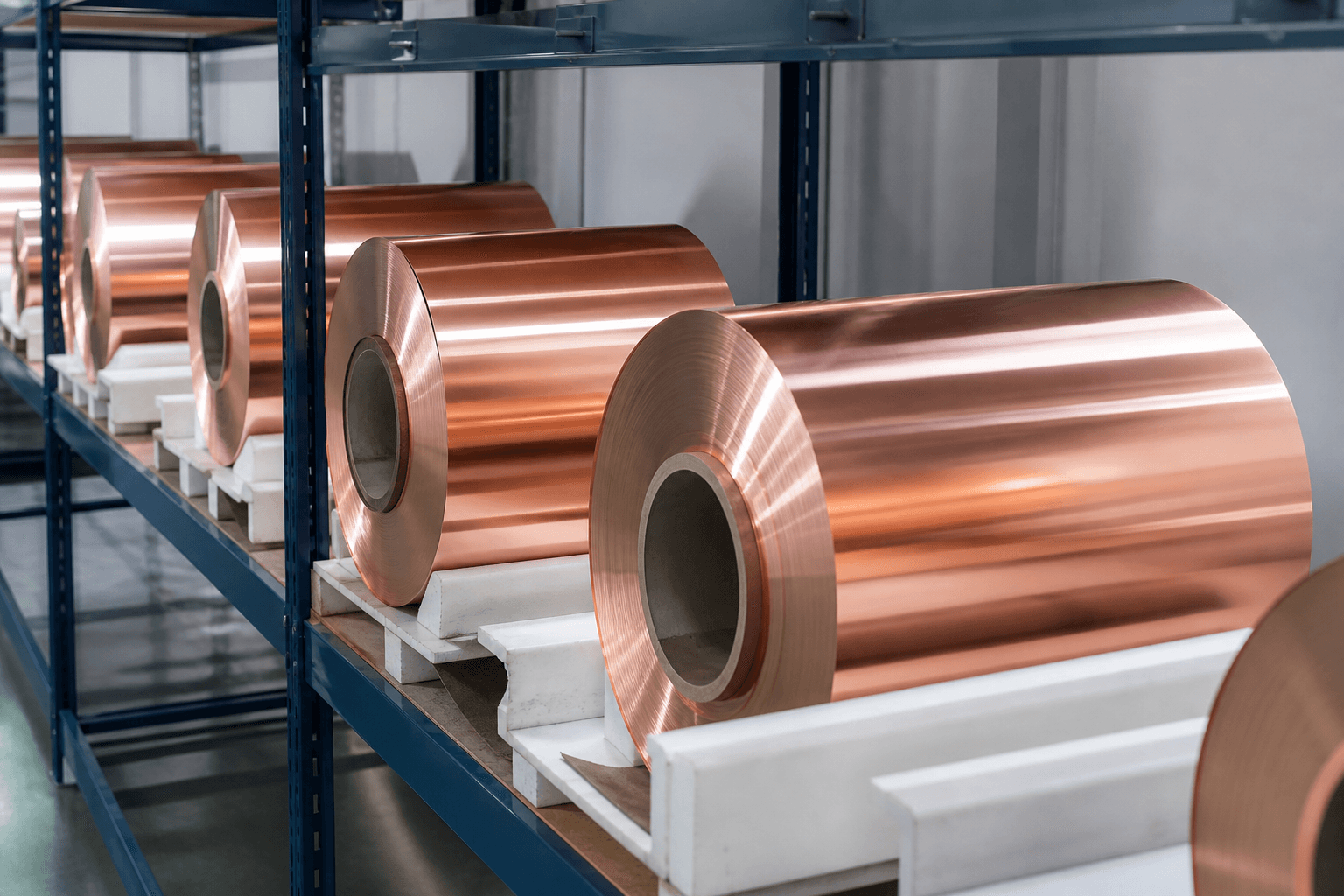
For a stretch of the cycle, electronics materials conversations blamed glass fabric and resin for CCL pain. That chapter did not end. A newer bottleneck is stepping forward with its own price letters: high-end copper foil—especially HVLP and ultra-thin grades that high-speed, low-loss PCBs for AI servers, networking, and dense HDI actually consume.
ABF organic substrates own package substrates for advanced chips. Glass-core briefs own the next package materials bet. This brief owns the foil that turns CCL into a board you can route at the frequencies AI hardware demands.
Why foil is not “just copper”
Copper cathode price is a commodity story. Foil for electronics is a process story: surface roughness profiles (HVLP families), thickness windows down to a few microns, adhesion behavior, and yield on wide rolls that CCL makers can qualify. When processing fees jump on HVLP and ultra-thin SKUs while equipment lead times stretch, the shortage is not solved by a trader with a cathode barge.
AI rack and switch designs keep asking for lower loss and tighter impedance control. Those asks land on foil microstructure and CCL stack-ups long before they land on a pretty board house tour.
If the foil grade is unavailable, the stack-up is a slide.
Where the industrial calendar actually breaks
Three clocks matter more than a single spot price:
- Processing-fee resets — Sudden adder letters that CCL and PCB shops must either absorb or push downstream within weeks.
- Seasonal allocation — New-product and inventory builds that choke unreserved capacity even when “average” supply looks fine.
- Qualification lag — Eighteen-month-class cycles to prove an alternate foil into a controlled stack-up. Dual-sourcing on paper is not dual-sourcing in MES.
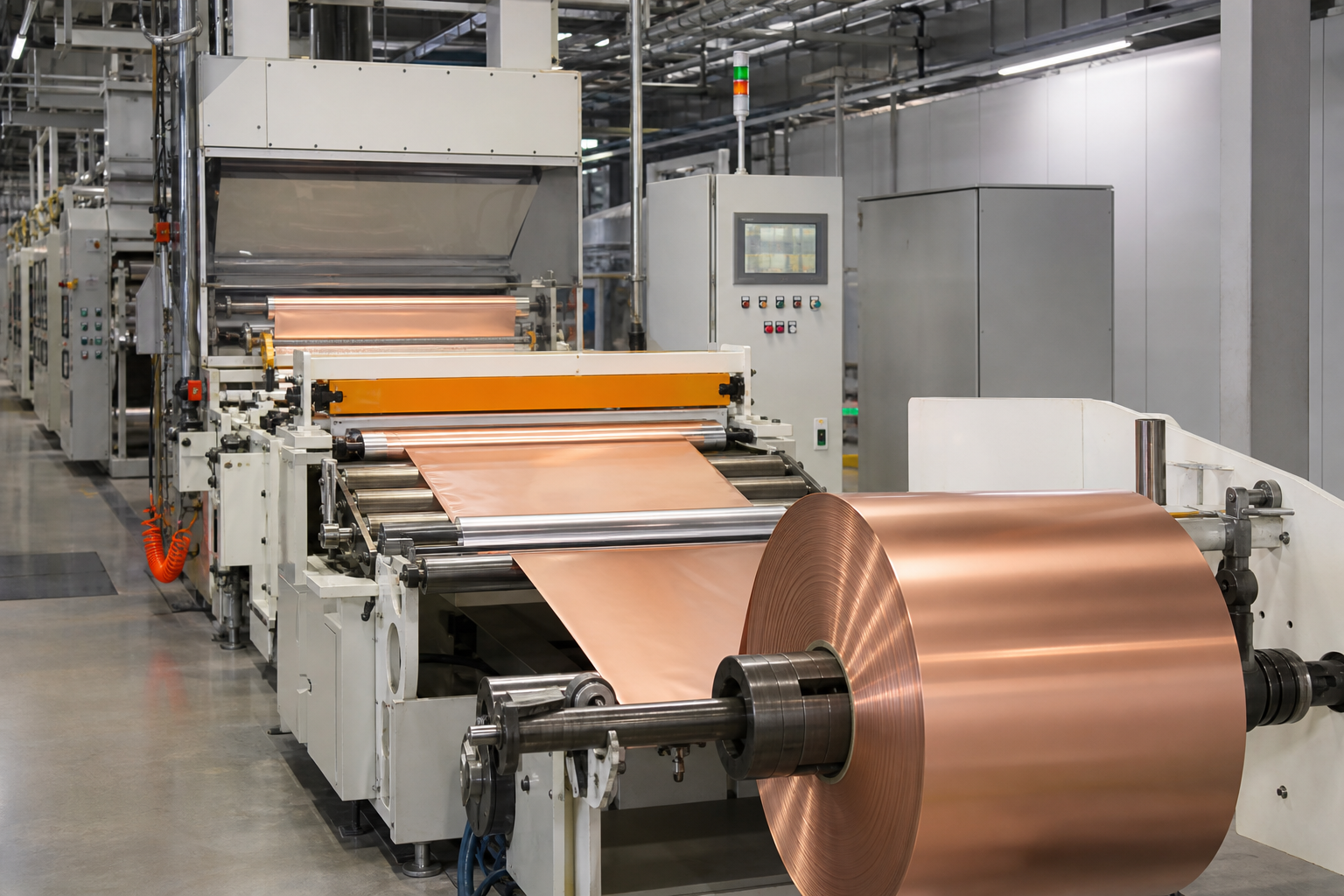
CCL plants inherit foil constraints before PCB fabricators feel the full shortage language.
What buyers should freeze early
| Decision | Why early | | --- | --- | | Foil grade family (HVLP class, thickness) | Late swaps restart electrical and reliability proof | | Approved alternate mills | Qualification is the real lead time | | Buffer policy for AI/server SKUs | Commodity buffers do not cover specialty foil | | Design rules that avoid unicorn foil | Some “optimal” stacks are unmanufacturable at volume |

Roughness and grade are process parameters, not catalog poetry.
Adjacent fences
ABF capacity owns package substrates. Glass-core owns package materials roadmaps. Chip shortage / CoWoS briefs own advanced packaging throughput. Rare-earth magnet briefs own motors. This page owns electronics copper foil as a board-build gate. Do not redesign a server PCB in Q3 and discover HVLP allocation was decided in Q1.