
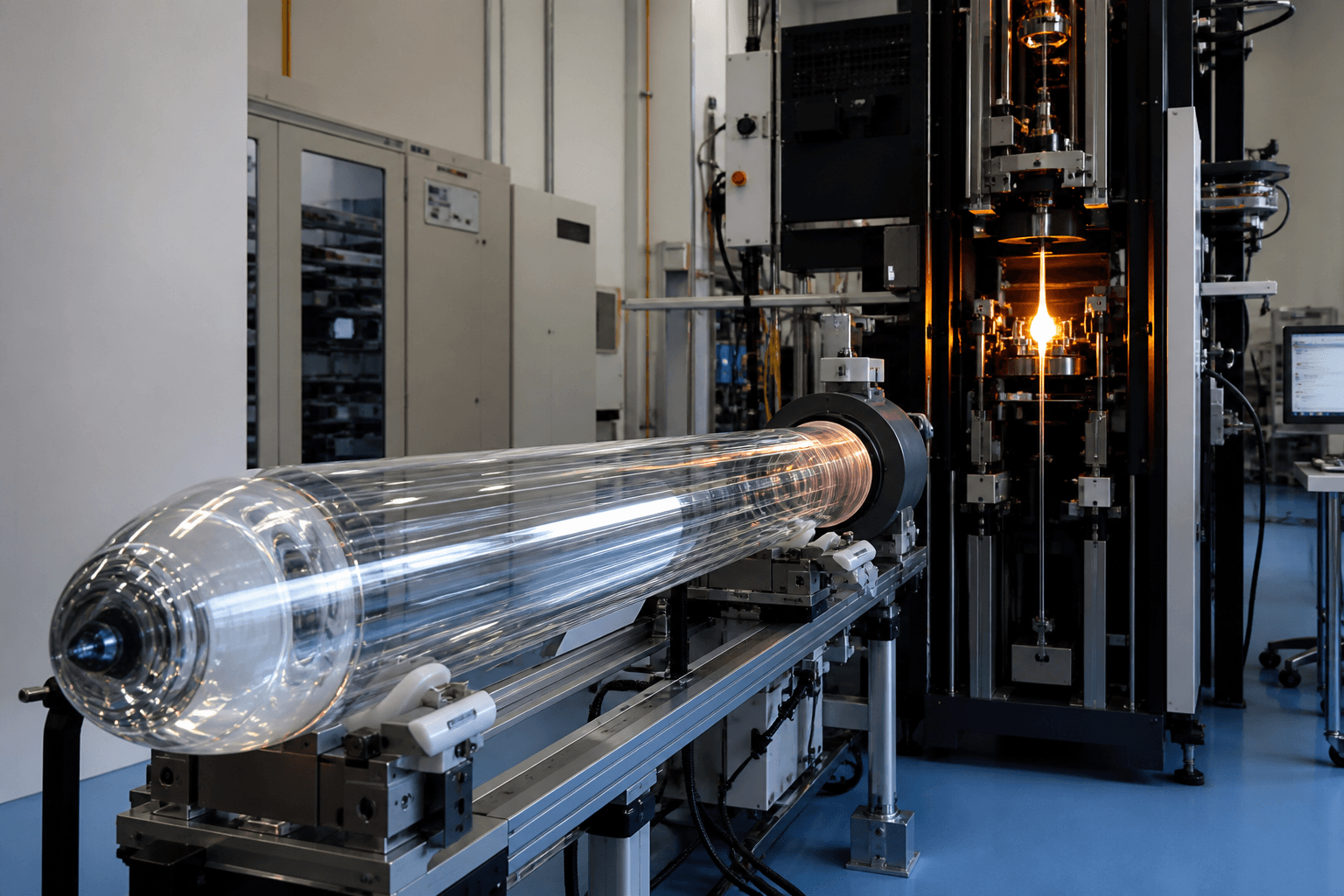
AI campuses argue about GPUs, HBM, and liquid cooling. The optical fabric that stitches racks and buildings still depends on something quieter: optical fiber that must be drawn from glass preforms at quality and volume that procurement slides rarely name. Co-packaged optics owns the package-to-fiber frontier on the board. Glass-core substrates own packaging materials for advanced packages. This brief owns the upstream glass: soot deposition or equivalent preform routes, refractive-index profiles, draw yield, and the specialty fiber grades that hyperscale and campus builds quietly consume when link counts explode.
A preform is not a commodity rod. It is a controlled refractive-index structure that the draw tower turns into kilometers of fiber. When AI networking roadmaps assume endless single-mode, multimode, and specialty fiber availability, they are assuming preform plants can feed draw capacity without geometric and attenuation scrap waves.
Why preform capacity shows up as a schedule risk
| Pressure | How it hits fiber supply | Plant / buyer symptom | | --- | --- | --- | | Campus spine and leaf fiber counts | More fiber-km per MW of IT load | Long lead quotes, allocation language | | Specialty / low-loss / bend-insensitive grades | Different preform recipes, slower changeovers | “Standard SMF is fine” substitutions that fail bend budgets | | Draw yield vs preform geometry | Out-of-spec diameter / ovality / attenuation scrap | Apparent fiber shortage that is really yield | | Qualification inertia | New preform source ≠ instant BOM approval | Dual-source slides that are not dual-qualified |
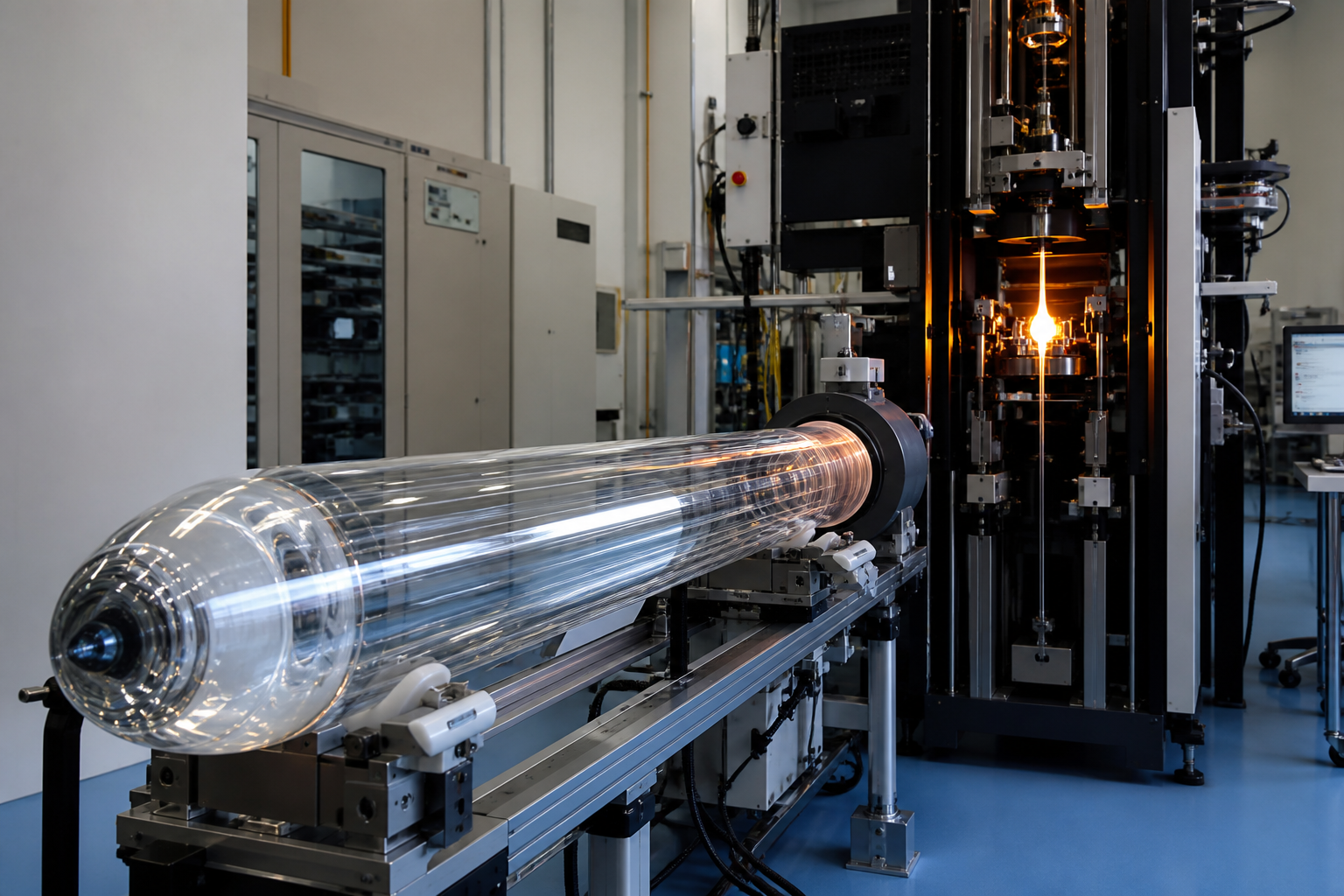
Patch panels do not invent glass; preform plants do.
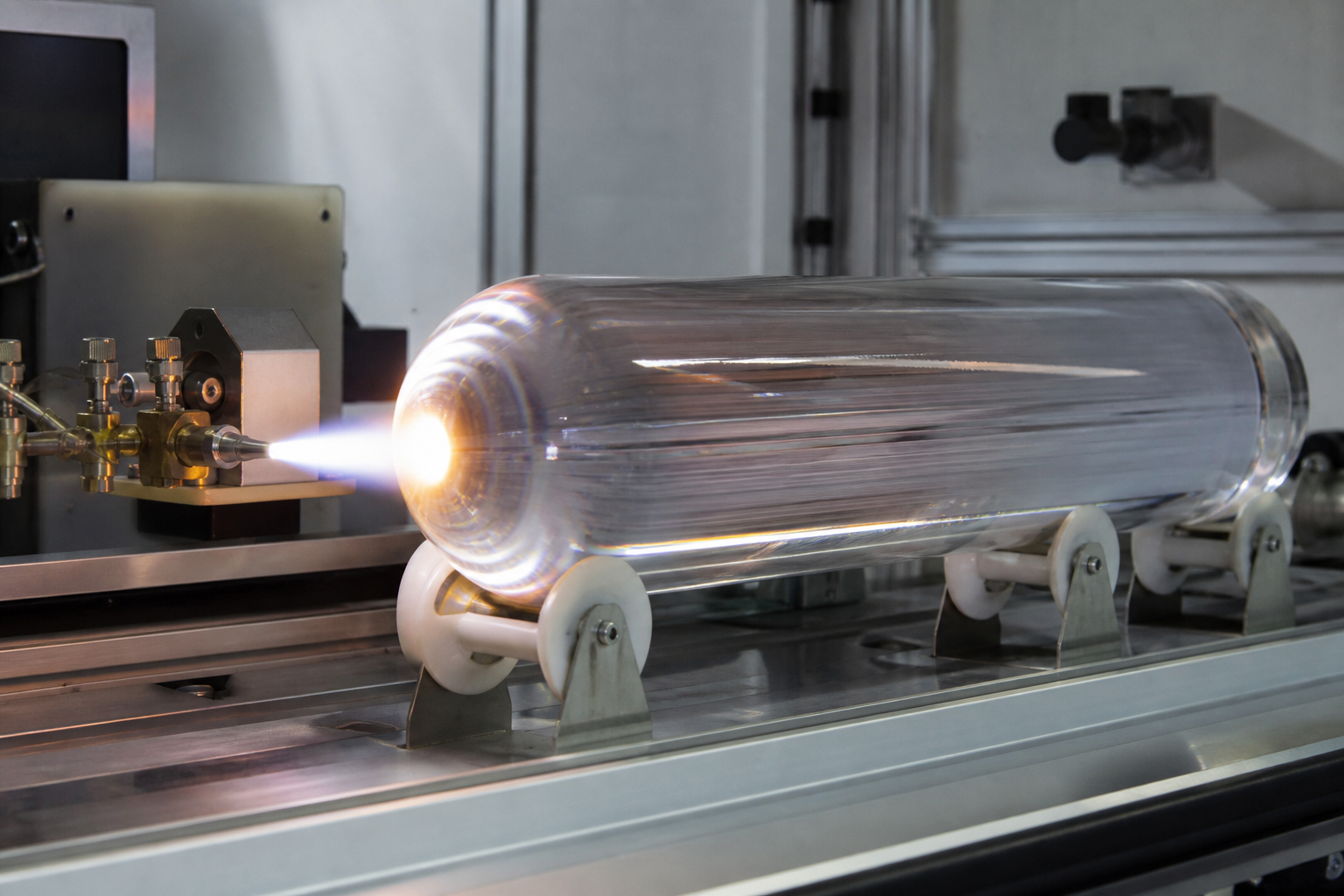
Index profile living in the glass is the product; the cable jacket is logistics.
What “AI fiber demand” actually pulls from materials plants
Hyperscale buildouts do not only buy cable reels. They pull:
- Preform recipes matched to attenuation and bend performance in dense trays and conduits.
- Draw stability — diameter control, coating integrity, proof-test strength that survive installation abuse.
- Specialty lanes — fibers used in sensors, high-density interconnect, or non-standard wavelengths that compete for the same furnace time.
- Qualification dossiers — because a cheaper preform that fails OH⁻ or geometry gates becomes a stranded inventory story, not a savings.
An anonymized cable maker supporting datacenter builds discovered that a campus delay blamed on “fiber allocation” was downstream of a preform geometry excursion that crushed draw yield for a bend-insensitive grade. The marketing inventory report still showed preform tons on hand. Tons are not kilometers of qualified fiber.
Industrial questions buyers should ask before the brochure
- Which preform sources are qualified, not merely listed?
- What is the changeover cost between standard and specialty grades on the draw assets you actually use?
- How are attenuation and geometry scrap reported—by grade, not by hope?
- If AI campus orders spike, which furnace and deposition capacity is the real gate—not the jacketing line?
Adjacent fences
CPO optics own package-level optical engines and board constraints. Glass-core substrates own package materials, not telecom fiber. Liquid cooling owns thermal infrastructure for racks. CXL and memory pooling own server capacity architecture. This page owns optical fiber preform and draw capacity as the materials gate behind AI optical fabrics. Do not size the GPU hall and assume the glass will appear from a catalog PDF.