
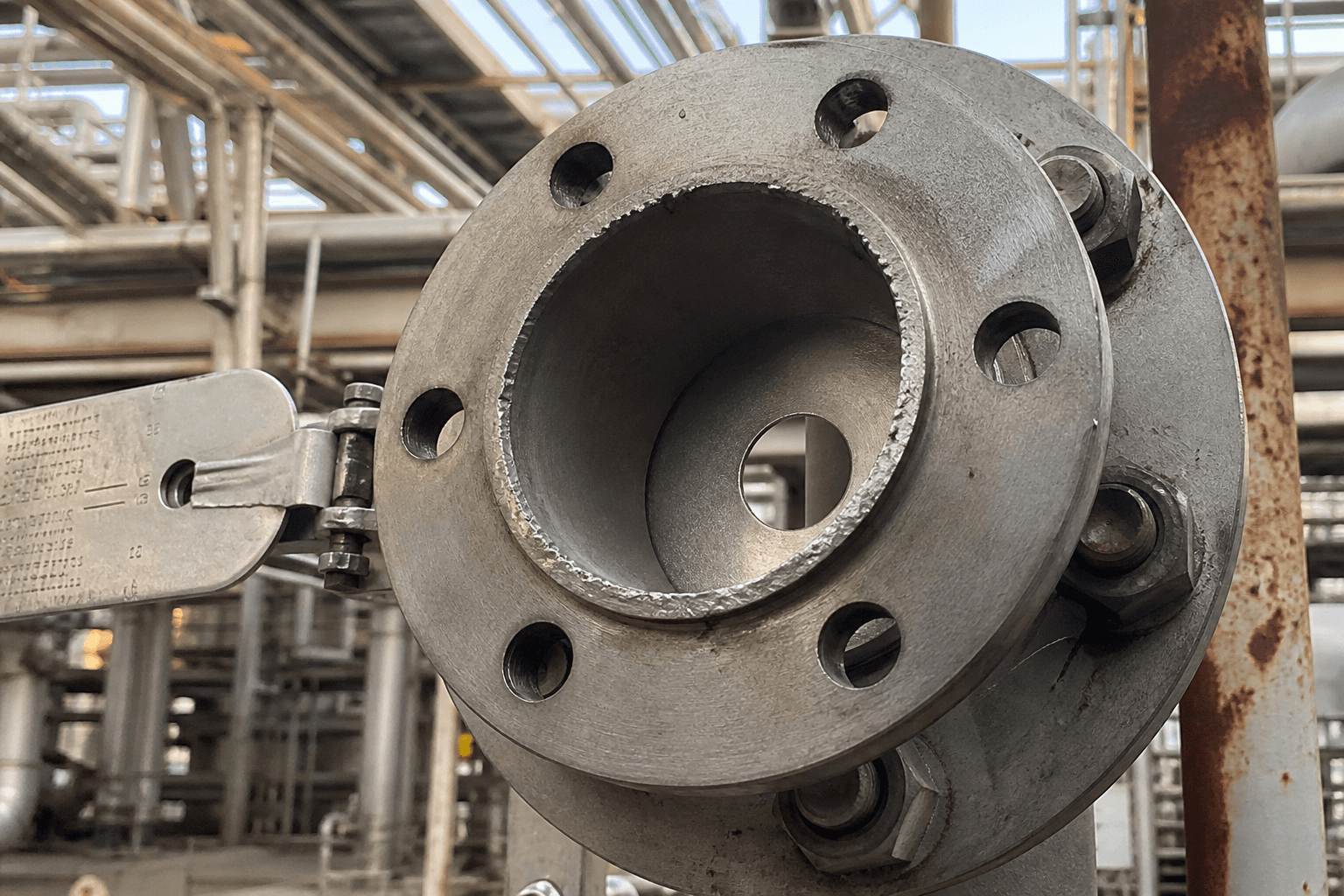
Steam allocation fights start in the DCS trend: user A shows high flow, user B low, boiler load does not add up. Impulse lines are clear. Heat trace is on. The orifice plate has been in service twelve years.
Checklist — before you retune the loop
| Step | Question | If yes | |------|----------|--------| | 1 | Plate orientation correct (sharp edge upstream)? | Fix install; do not tune | | 2 | Edge visually rounded or pitted? | Schedule plate pull | | 3 | Beta ratio still within original calc? | Recompute flow factor | | 4 | DP at zero flow near zero? | Manifold / impulse first | | 5 | Compare to alternate meter or bucket test | Quantify bias |
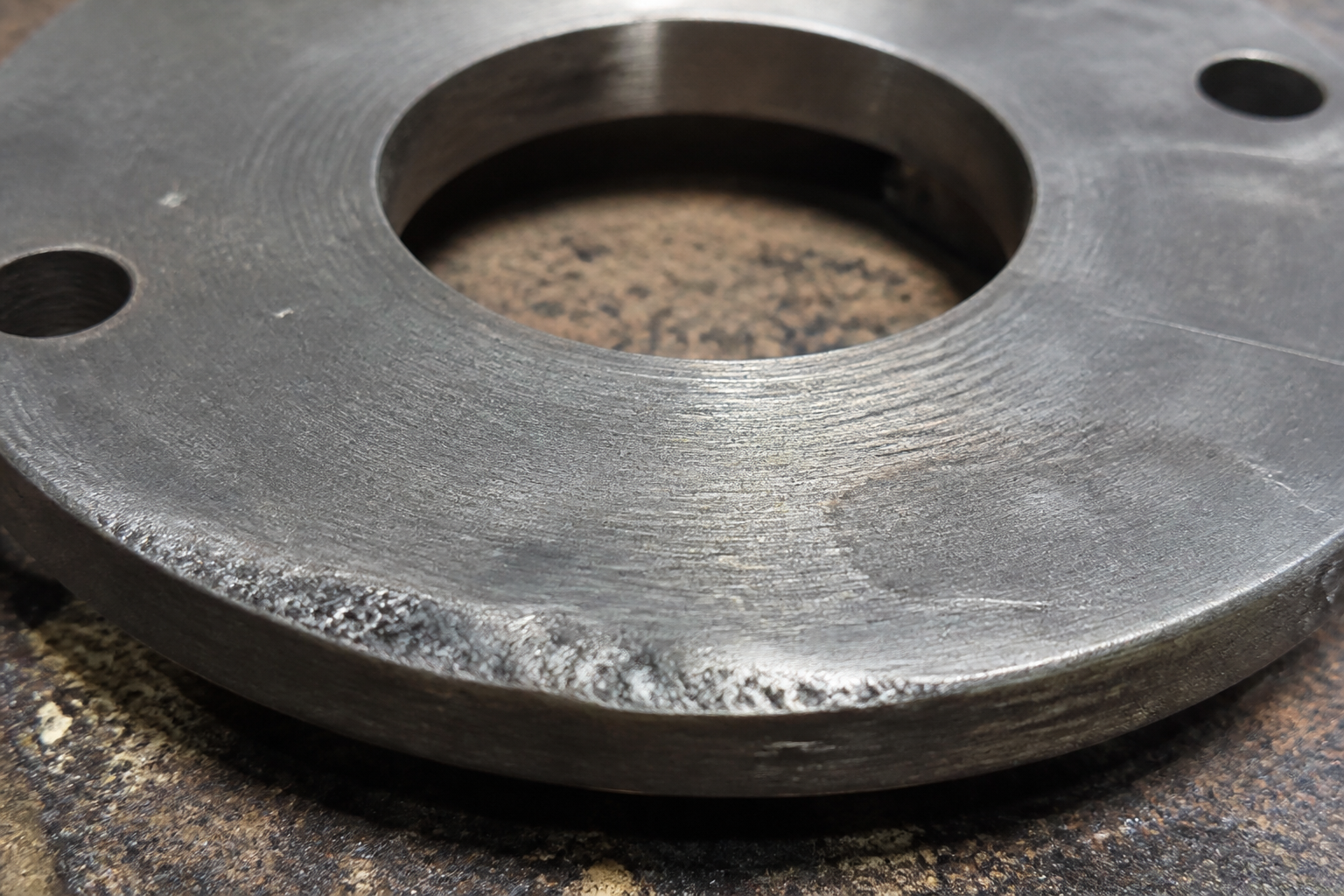
Orifice flow scales with sharp-edge geometry. Erosion and cavitation round the edge; discharge coefficient drifts high. The transmitter faithfully converts a differential that no longer maps to the 1998 sizing sheet.
This is not DP impulse freeze (winter legs), not steam-trap monitoring, and not deaerator oxygen. It is primary element wear on steam measurement.
Practices that hold
Inspect on outage: edge radius, plate bow, tap clogging, gasket blow-by. Replace on schedule for high-velocity services, not only on catastrophic leak. Document plate tag, beta, and discharge coefficient in the historian—not only the transmitter range.
After plate change, reopen the loop with a known flow check or truck meter if available.
What energy balance meetings should ask
When header mass balance fails, ask last plate inspection date before accusing downstream users. A rounded plate invents steam that was never generated.