
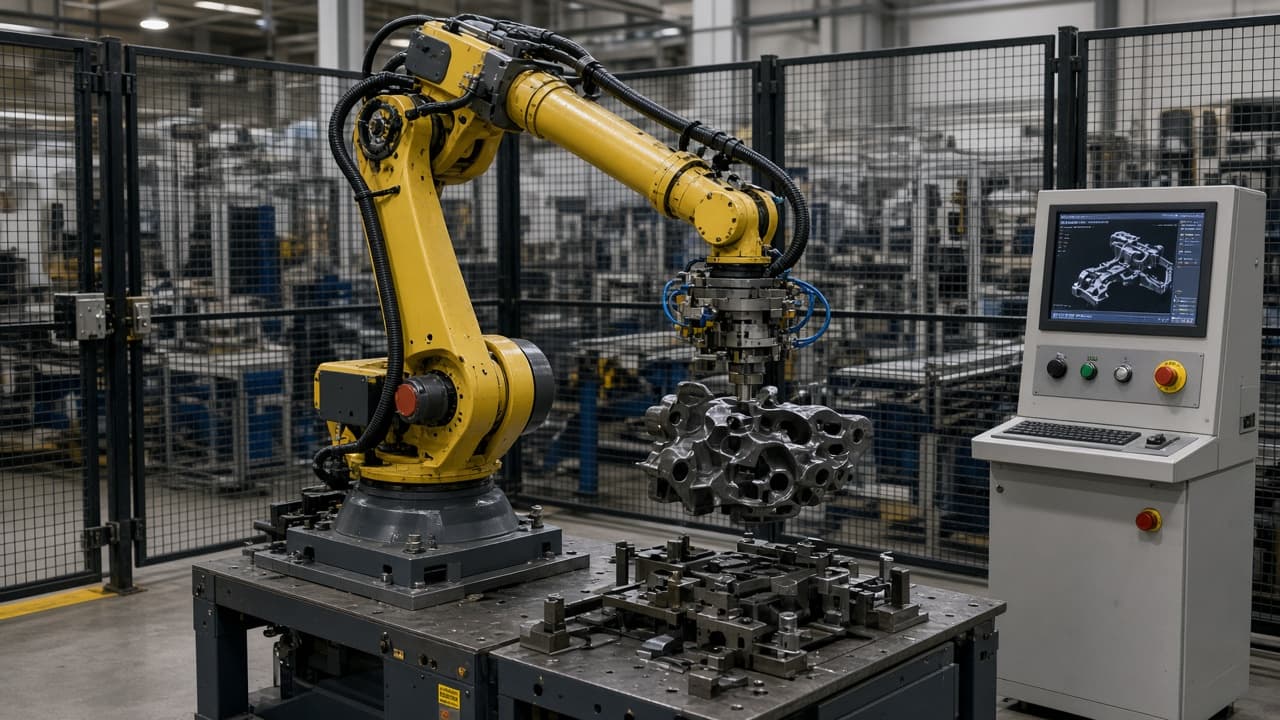
Cells that “always collide” after a gripper change and cells that “never trip” after a heavier fixture often share one configuration error: payload mass, center of gravity, and collision sensitivity still describe last month’s tool. The servo model is defending the wrong physics.
Holding-brake wear and base-bolt torque are mechanical integrity. Collision dump annotation is post-event forensics. Teach enable devices are pendant safety. This note is collision detection tuned to the real payload.
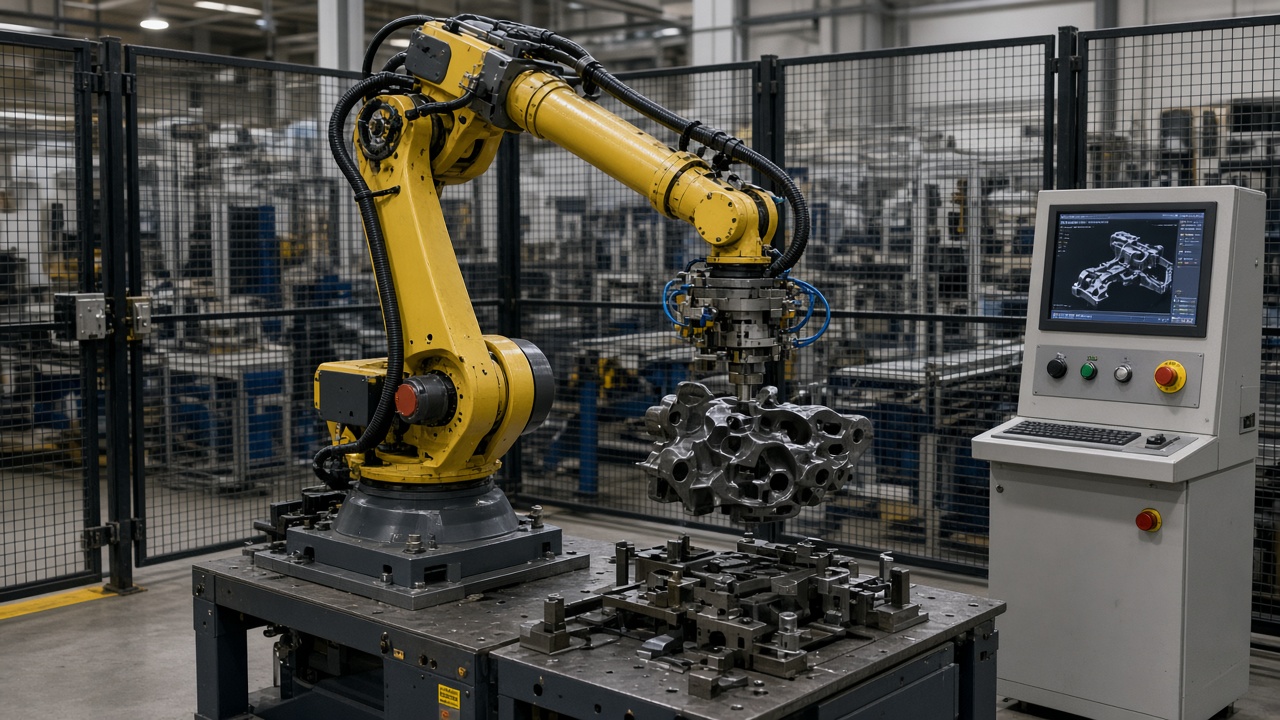
Most industrial robots estimate disturbance torque against a dynamic model that includes payload. If the taught mass is too high, real light contact may not exceed the threshold—missed detection. If the taught mass is too low, normal acceleration looks like a crash—nuisance stops that push technicians to loosen sensitivity “just for this shift.” Both outcomes are configuration failures, not mysterious servo bugs.
After every EOAT or fixture change
Update payload mass and COG per OEM procedure. Re-validate collision sensitivity with a controlled push test in teach at reduced speed—document who may change the parameter. Do not leave a temporary soft setting after clearing a jam. Log payload ID with the program revision so the next shift knows which inertia the path assumes.
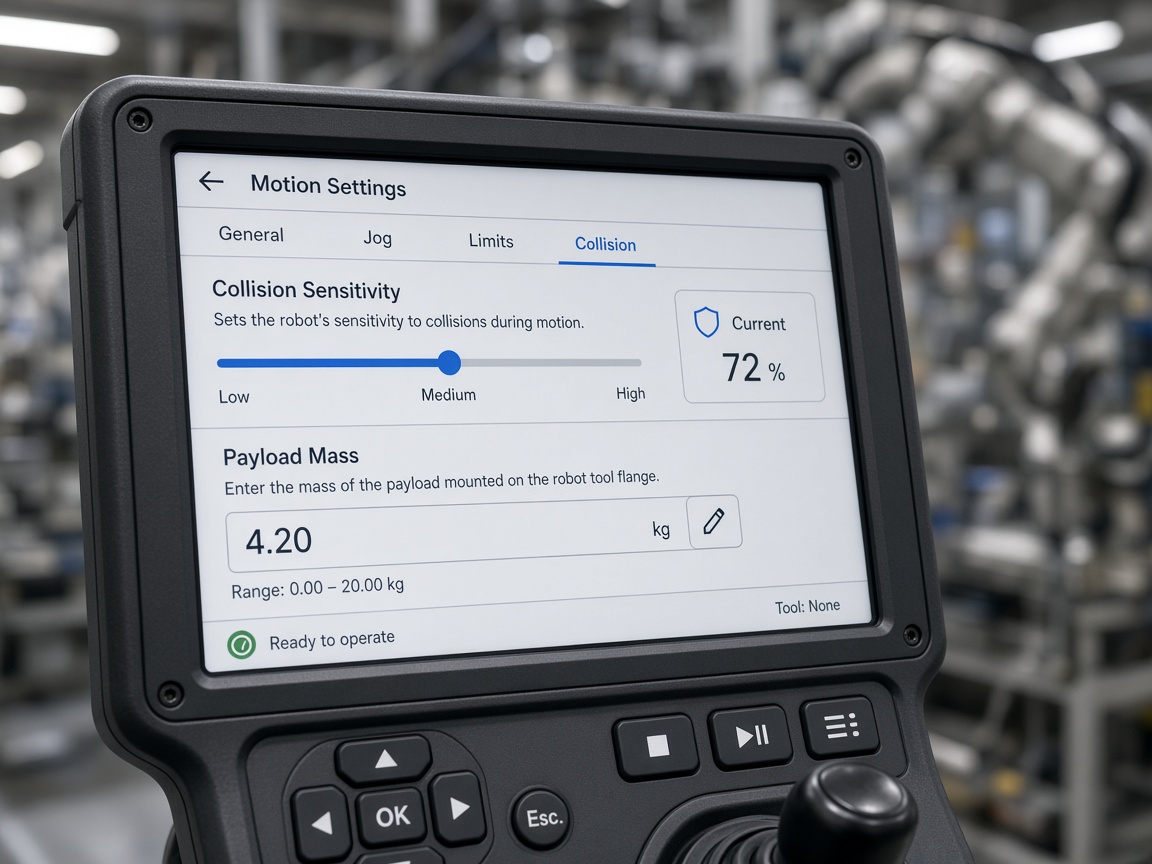
If collision alarms spiked the same week the gripper changed, fix the payload data before you blame the path. The robot can only protect the model it was given.