
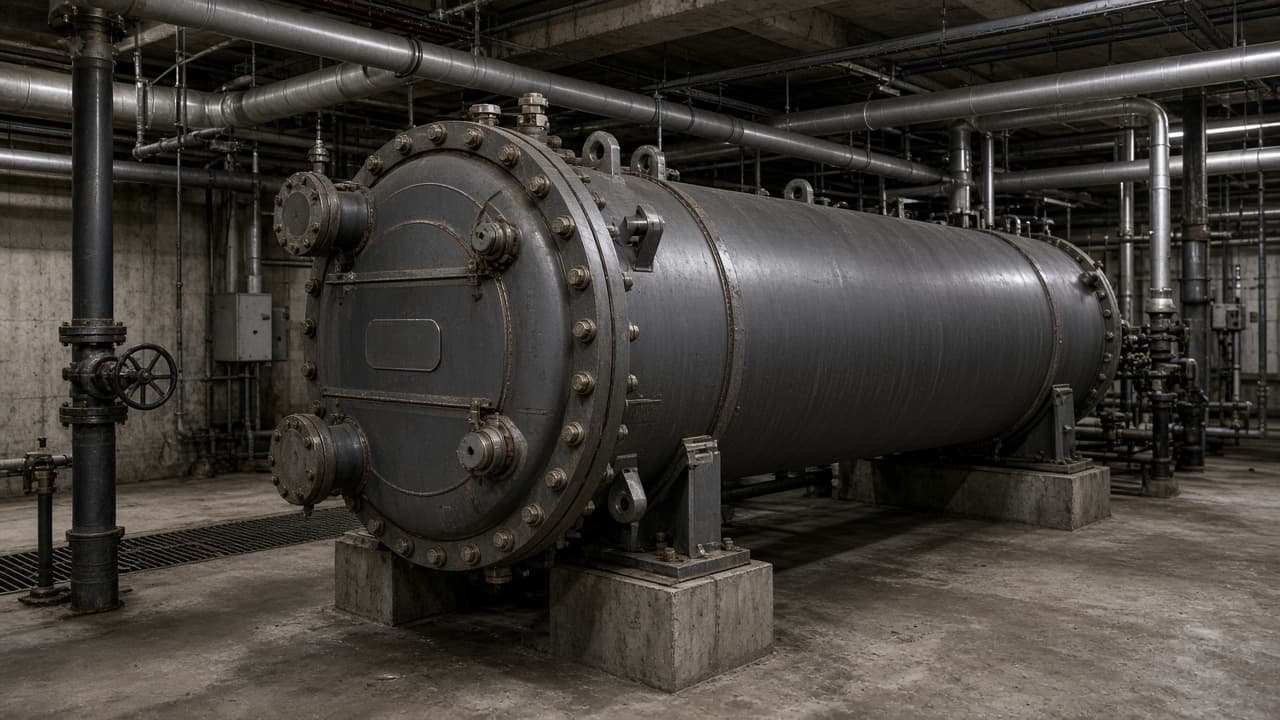
Heat rate creeps. Extraction flow looks odd. Operators chase condenser vacuum and HRSG sootblowing before anyone plots feedwater-heater terminal temperature difference (TTD). By then a tube leak may already be diluting the heater’s job: raising feedwater temperature with extraction steam without dumping live steam into the drain.
Deaerator dissolved-oxygen control, condenser approach, and boiler drum level are adjacent steam-cycle stories. This one is closed feedwater heater TTD / drain-cooler approach as tube-leak and fouling honesty.
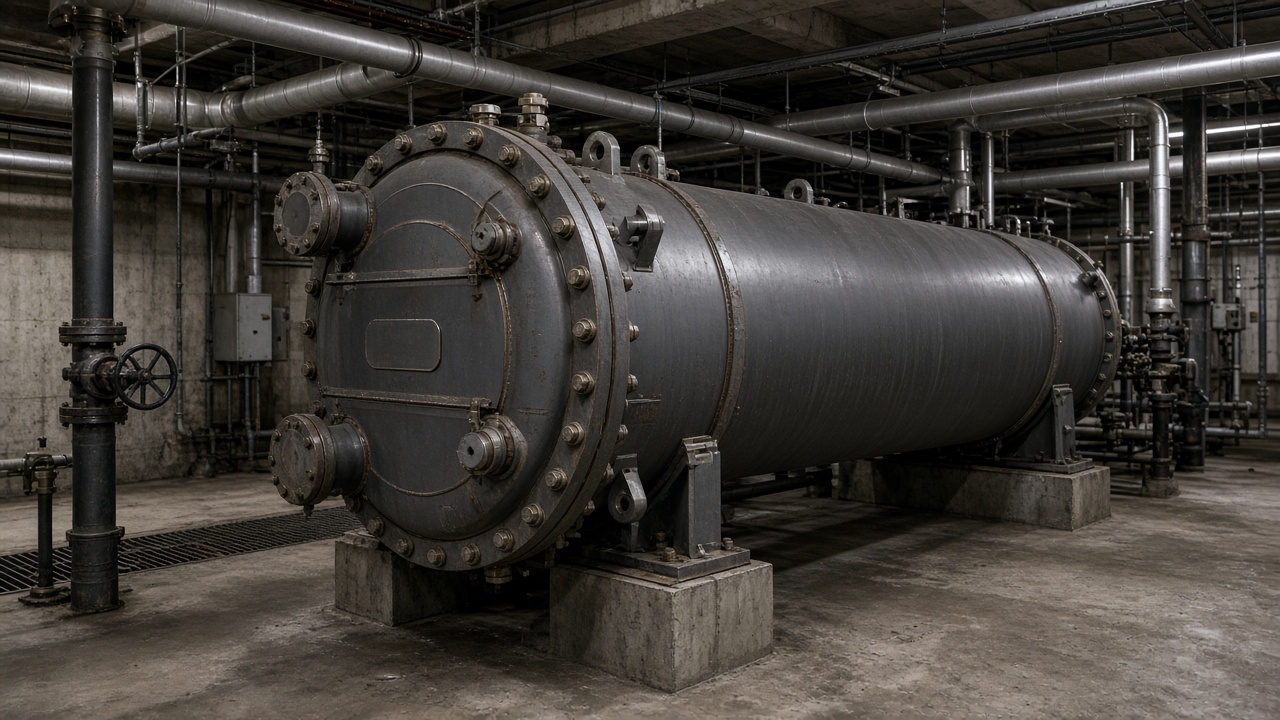
TTD is essentially how close the feedwater outlet gets to saturation temperature at heater pressure (definitions vary slightly by plant standard—use your site’s formula consistently). Drain cooler approach (DCA) watches the drain outlet versus feedwater inlet. Fouling and air blanketing move both. A tube leak often shows as TTD and level or drain behavior that no longer match extraction duty—steam blowing through to the drain side, feedwater contamination risk toward the boiler, and a heat-rate tax that looks like “the unit just got older.”
Field habits that separate leak from fouling
Trend TTD and DCA with heater shell pressure, drain level, and extraction flow on one page. After an outage, baseline clean values. A step change after a load cycle, water-hammer event, or chemistry upset deserves tube-leak suspicion—not only a “dirty heater” label. Conductivity or sodium on the feedwater path, if instrumented, can corroborate. Isolation and leak tests belong in the outage playbook when trends say so; calendar eddy-current alone without operating trends misses the in-service story.
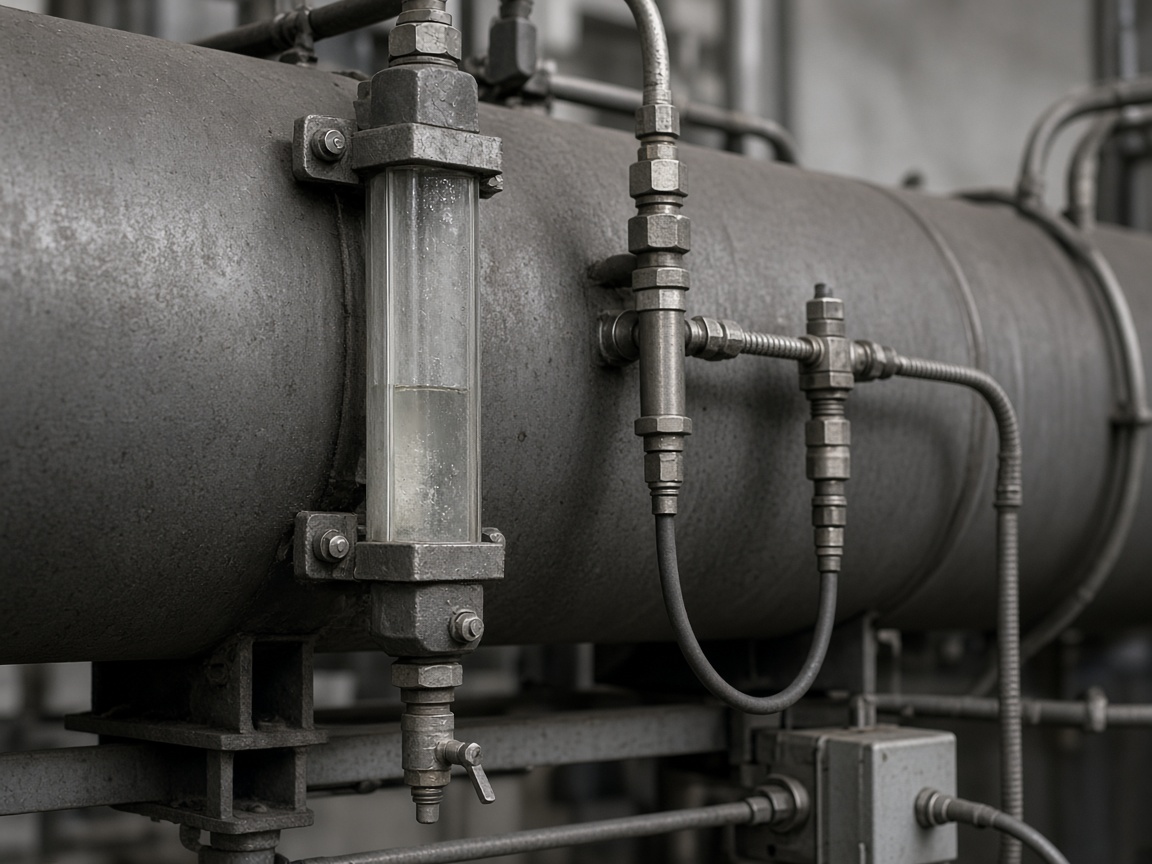
Sootblowers and condensers get the loud tickets. Feedwater heaters quietly spend megawatts when TTD walks. Plants that trend heater approaches catch tube work while it is still a maintenance plan—not a chemistry emergency at the boiler.