
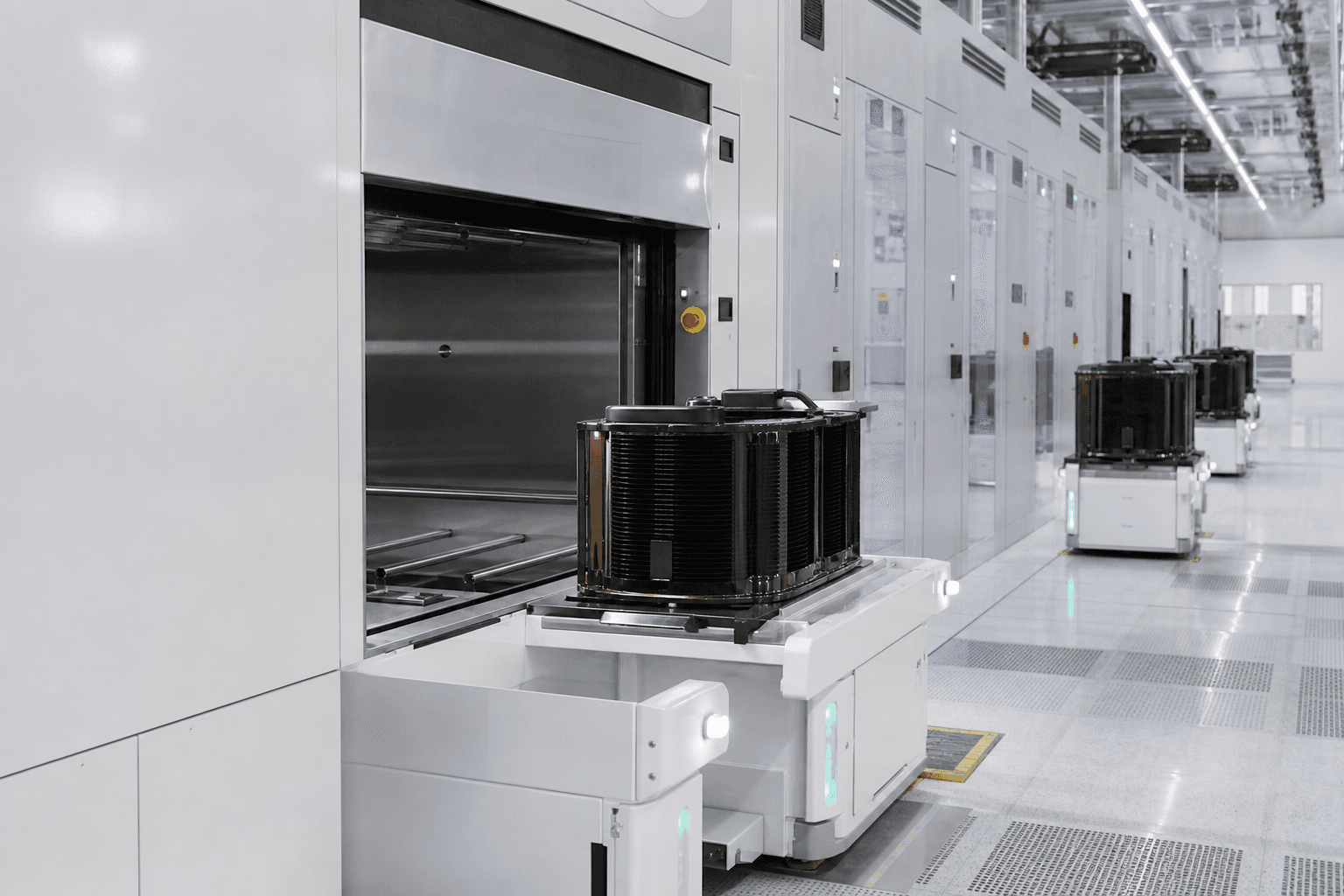
A wafer leaving an etch chamber does not remain the wafer the integration engineer specified. The surface is chemically unfinished: dangling bonds, residual halogen, polymer, and a native oxide that nucleates in minutes to hours depending on the film and the bay air. The next deposition or wet step is written against a surface that exists only inside a time window. Miss the window and the lot still runs. The defect map changes character weeks later at sort.
Fabs treat Q-time as a MES annotation that planners negotiate. That is how a logistics metric eats a process contract.
What the clock is timing
After a metal etch, remaining chlorine or bromine plus moisture becomes corrosion. After a dielectric etch, polymer and fluorine residues change the nucleation of the next film. After a photoresist strip that is incomplete, the next implant or deposition inherits a carbon skin. None of these wait for a convenient batch of four FOUPs to fill a boat.
The clock starts when the wafer leaves the controlled ambient of the process module—not when the MES lot moves, not when the operator scans the FOUP at the stocker. If the tool posts "process complete" and the FOUP sits on the loadport for forty minutes because AMHS is congested, that forty minutes is Q-time. Dispatch screens that hide loadport dwell are lying about the clock.
Inhibits beat dashboards
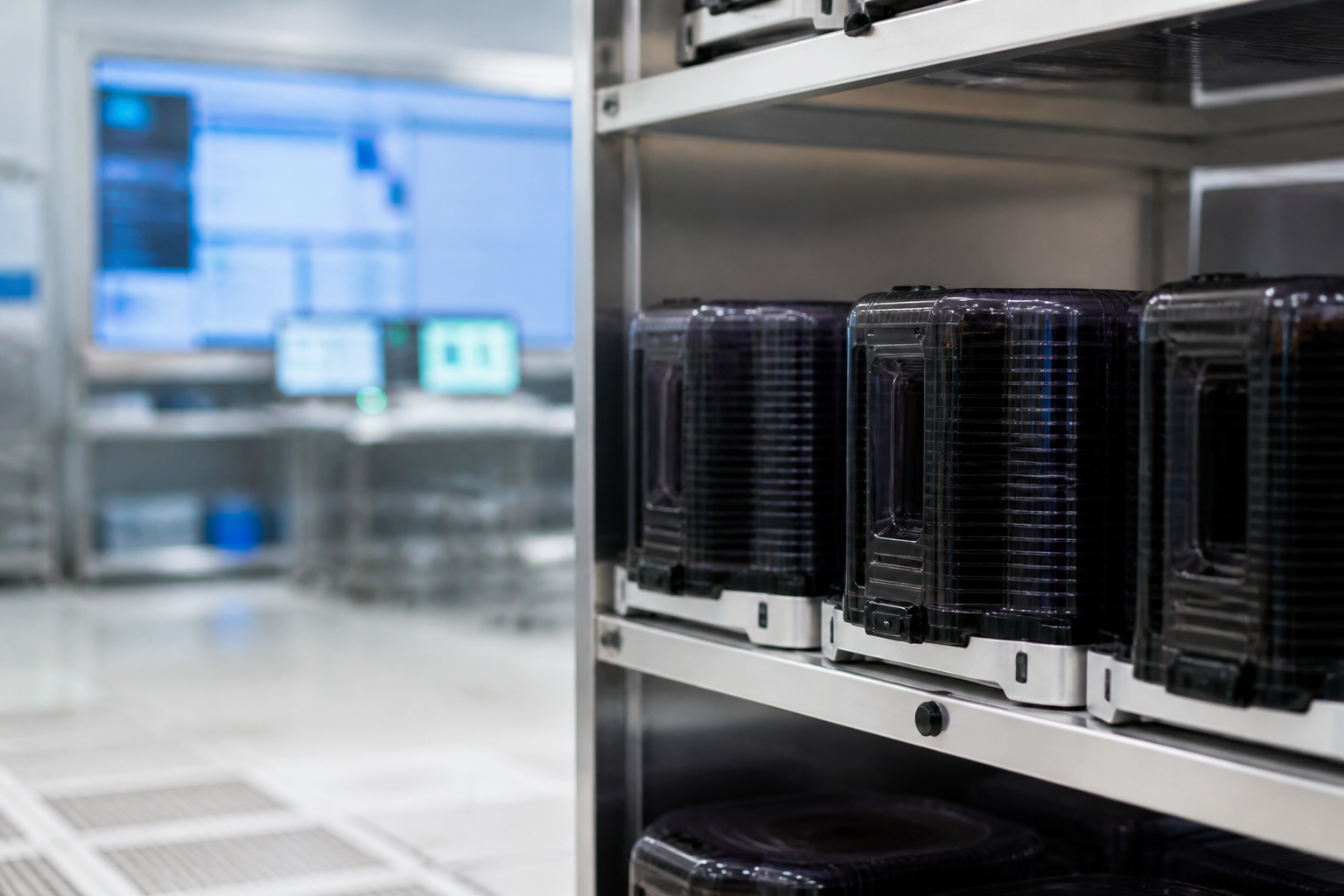
A Q-time limit that only paints a yellow badge on a WIP screen will be waived the first time a high-priority lot is late. The control that works is a hard inhibit: the next tool will not accept the lot without a documented recovery—re-clean, re-etch, strip, or scrap disposition—tied to the exceeded minutes and the process-of-record.
Recovery is not generic. A copper-exposed surface that sat too long is not "the same as a poly surface that sat too long." Each Q-time spec should name the recovery, the metrology that proves it, and who may sign the waiver. A standing waiver for "AMHS delay" is not a spec. It is a hole in the POR.
Where to measure, not where to argue
Log three timestamps: module complete, FOUP undock, next-module start. The gap that kills yield is often the middle one that nobody owned. AMHS reports lot move time; process engineering owns surface chemistry. If those two organizations do not share the same clock field, Q-time will keep being explained as utilization.
Airborne molecular contamination in the bay can shrink the window without any change in etch recipe. A Q-time that was safe last quarter is not automatically safe after a resist change or a humidifier excursion two bays over. Re-qualify the window when the ambient or the incoming film stack changes—not only when a yield crisis arrives.
What matching and yield meetings should ask
Before a lot is blamed on the deposition tool that "always sees this signature," ask whether the lot sat past the Q-time of the step before it. A deposition excursion that clusters on lots with long post-etch dwell is not a showerhead problem.
Utilization is a real constraint. So is the surface. A fab that only measures the first will keep a busy etch fleet and a mysterious film defect family that never quite matches the DOE.