
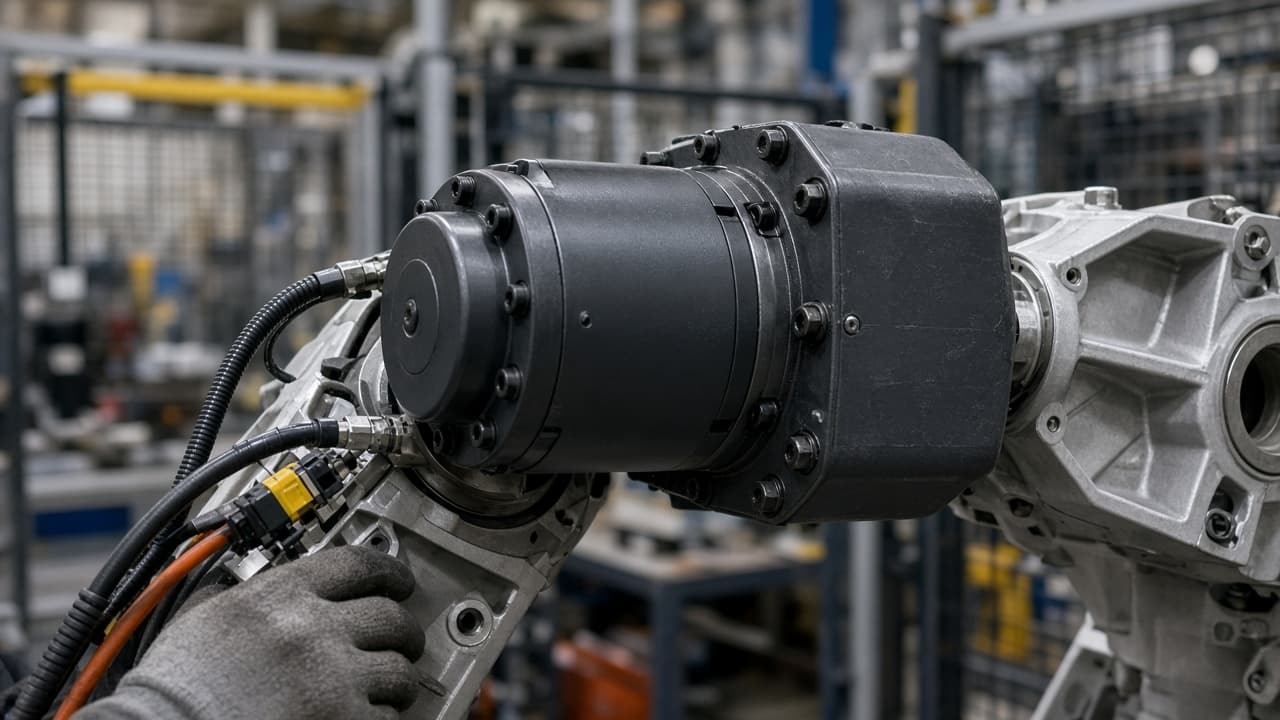
Most industrial robot axes use an electromagnetic holding brake that engages when servo power is removed. The brake is why an arm does not fold when you hit e-stop or lose mains. It is also a friction stack that wears with every engage cycle, oil contamination, and heat.
Encoder battery remastering and tip dress intervals live elsewhere. This note is about holding-brake health and brake-test discipline.
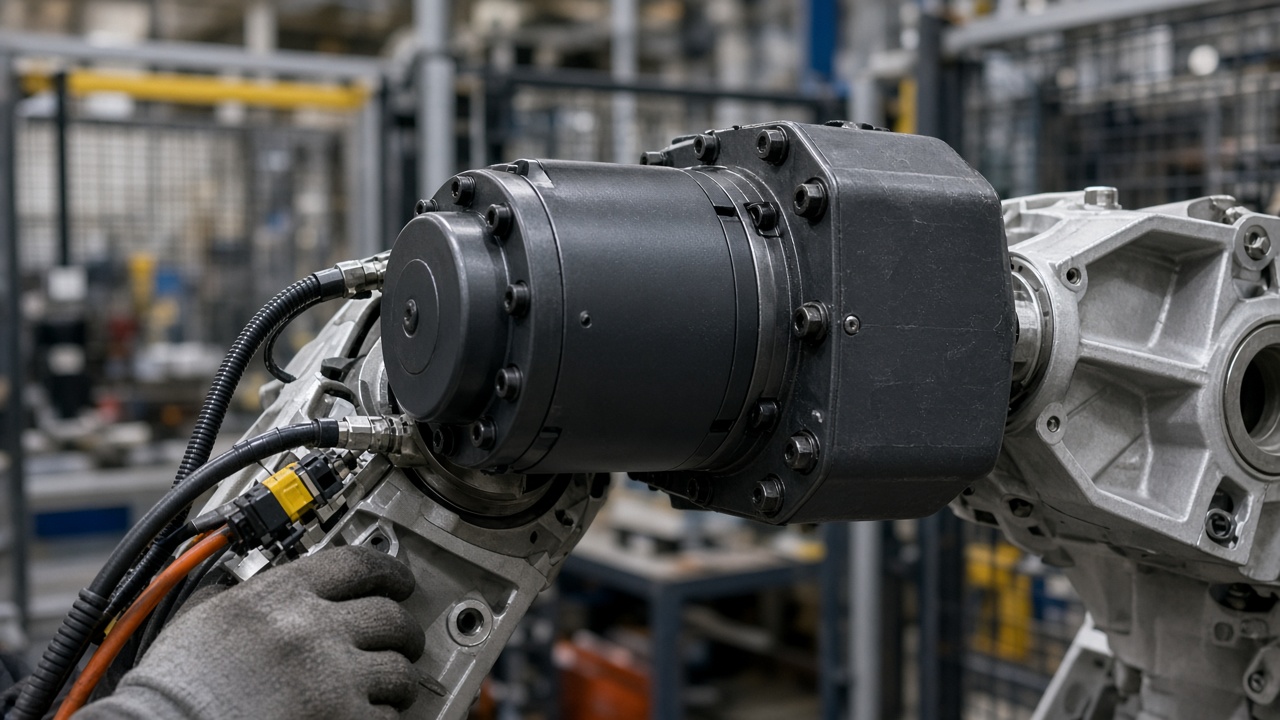
Vendors publish brake test procedures—often a controlled move or a torque check that confirms the brake still holds rated load. Skipping them for years is how cells discover brake fade during a power blip with a payload on a raised axis. Controllers may log brake wear counters or brake open/close faults; backlog those like encoder battery warnings.
After a collision or a gearbox oil leak into the brake cavity, assume contamination until proven otherwise. Oil-soaked brakes do not recover with “a few more cycles.” Replace the brake (and clean the cavity) per the manufacturer; then re-run the brake test and a payload hold check before production.
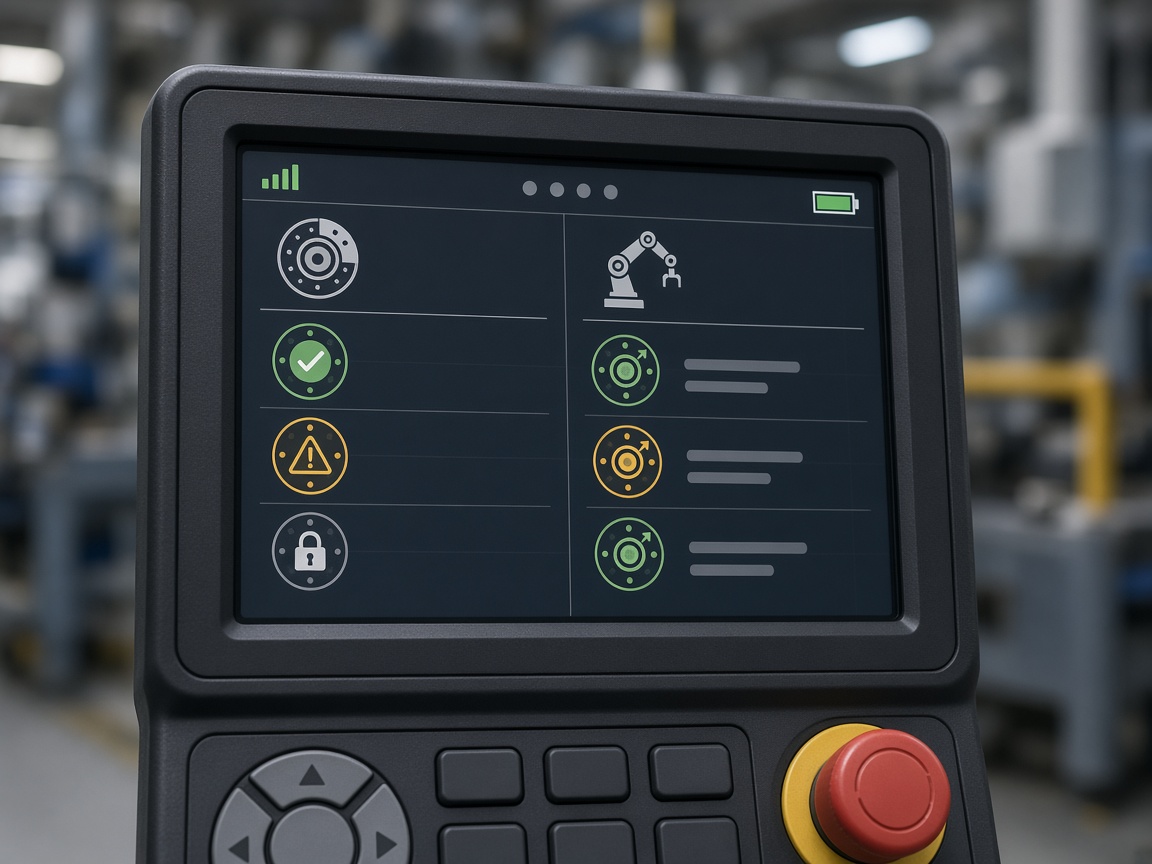
Schedule brake tests with PM, not with the first gravity scare. A brake that still “clicks” can already be below the torque the payload requires.