
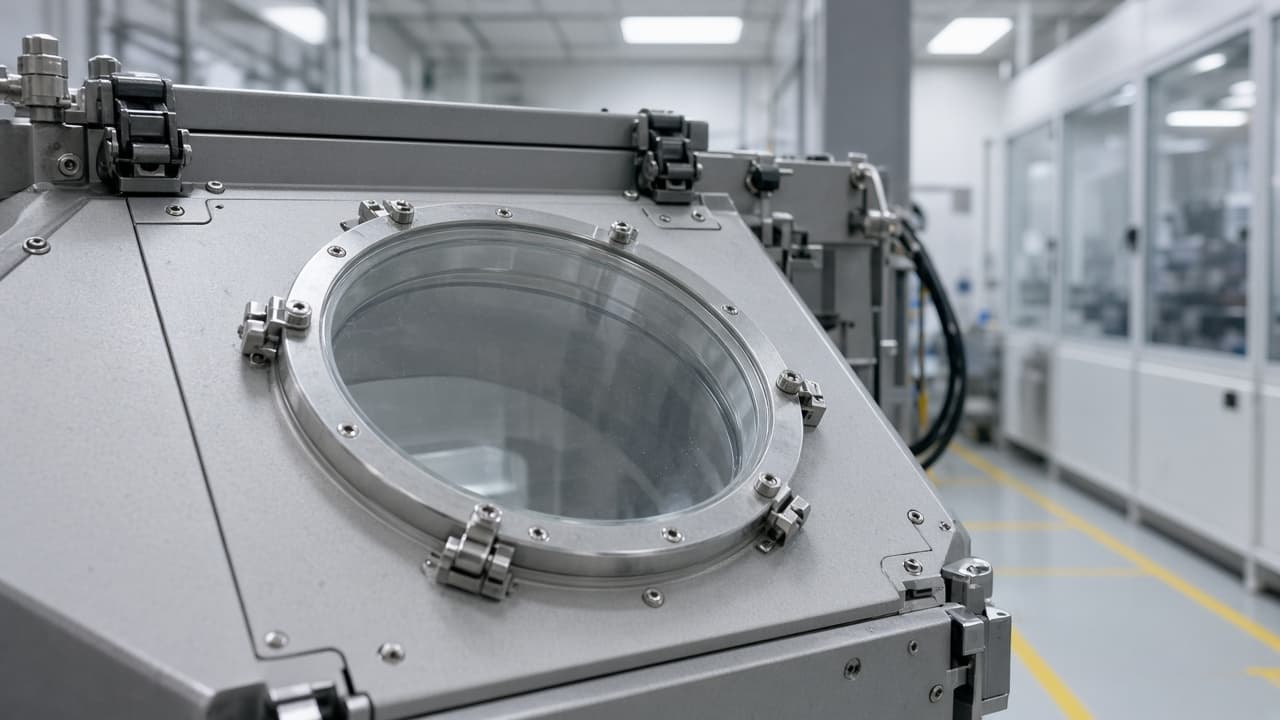
Plasma etch recipes that claim optical endpoint control still fail in a familiar way: the wafer clears late, or the chamber stops early, and the fault tree starts at RF hours, gas bottles, and match network tune. The viewport that the fiber or photodiode looks through sits on the chamber like a forgotten consumable.
This is quartz (or equivalent) viewport transmission and endpoint optical path integrity on etch tools—not plasma ash strip endpoint lore, not RF reflected-power matching, and not chamber seasoning first-wafer effects, though those tickets can travel with the same lot history.
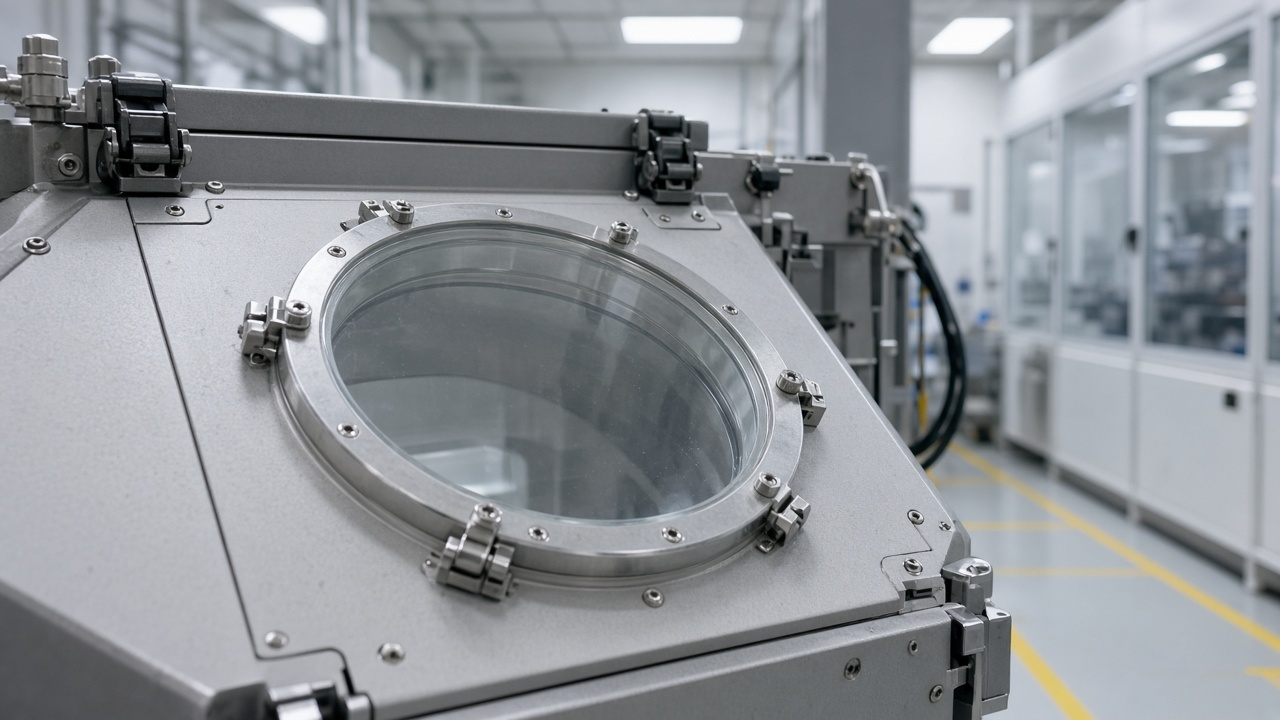
Optical endpoint works because a wavelength band changes when the film stack clears or when a known emission feature rises or falls. The detector only sees what the window still transmits. Polymer from fluorocarbon chemistries, metal etch by-products, and sputtered wall material coat the inner face. Outside, oil mist, fingerprints from a rushed PM, and fiber ferrule contamination cut the same signal. The controller may still show an endpoint channel—just a quieter, noisier, or delayed one—so the recipe’s timeout or fallback time quietly becomes the real process.
How viewport loss shows up on the lot
- Endpoint time drifts longer lot to lot while etch rate metrology on open monitors looks almost unchanged.
- Dense pattern clear times diverge from the open-field monitor the recipe was qualified on, and the gap widens after a wet clean that left residue on the window.
- Early “endpoint found” events appear when stray reflection or a damaged fiber injects noise the algorithm accepts as a step.
- After a chamber PM, the first monitor lot looks fine and the third does not—consistent with progressive coating rather than a one-time gas mis-set.
Ash tools have their own endpoint story. Etch endpoint through a fouled viewport is a different mechanical object: the window is in the optical path of a process that intentionally generates polymer and condensable species.
What maintenance actually owns
Treat the viewport as a scheduled transmission part. Clean or replace on a cycle keyed to chemistry family and RF hours, not only when someone notices a dull disk. After cleaning, verify endpoint signal amplitude against a known monitor recipe before releasing production wafers. Check fiber seating, photodiode head alignment, and any protective shutter or purge that keeps the outer face clean.
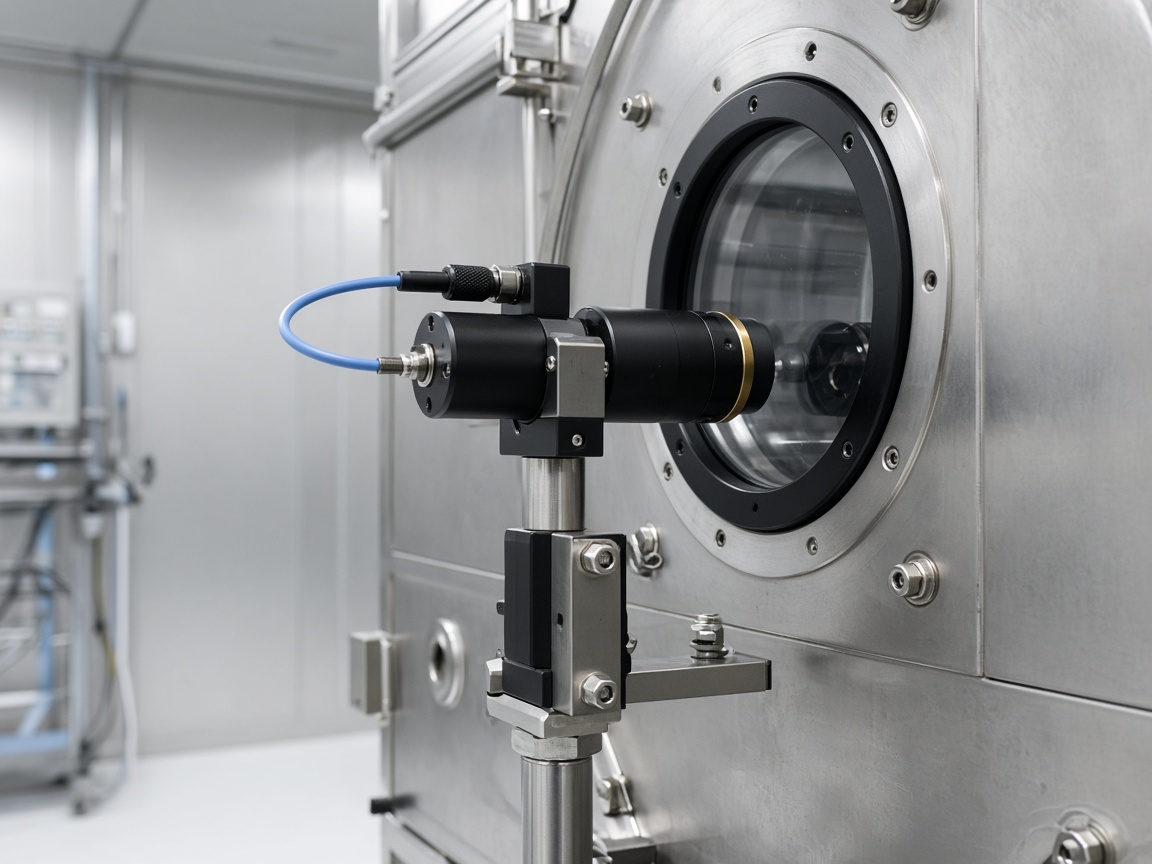
If endpoint traces look weak and the match network and MFC trends are quiet, pull the viewport before you rewrite etch time. A cloudy window will happily let you “fix” the process with more over-etch margin until selectivity and underlayer damage show up two modules later.