
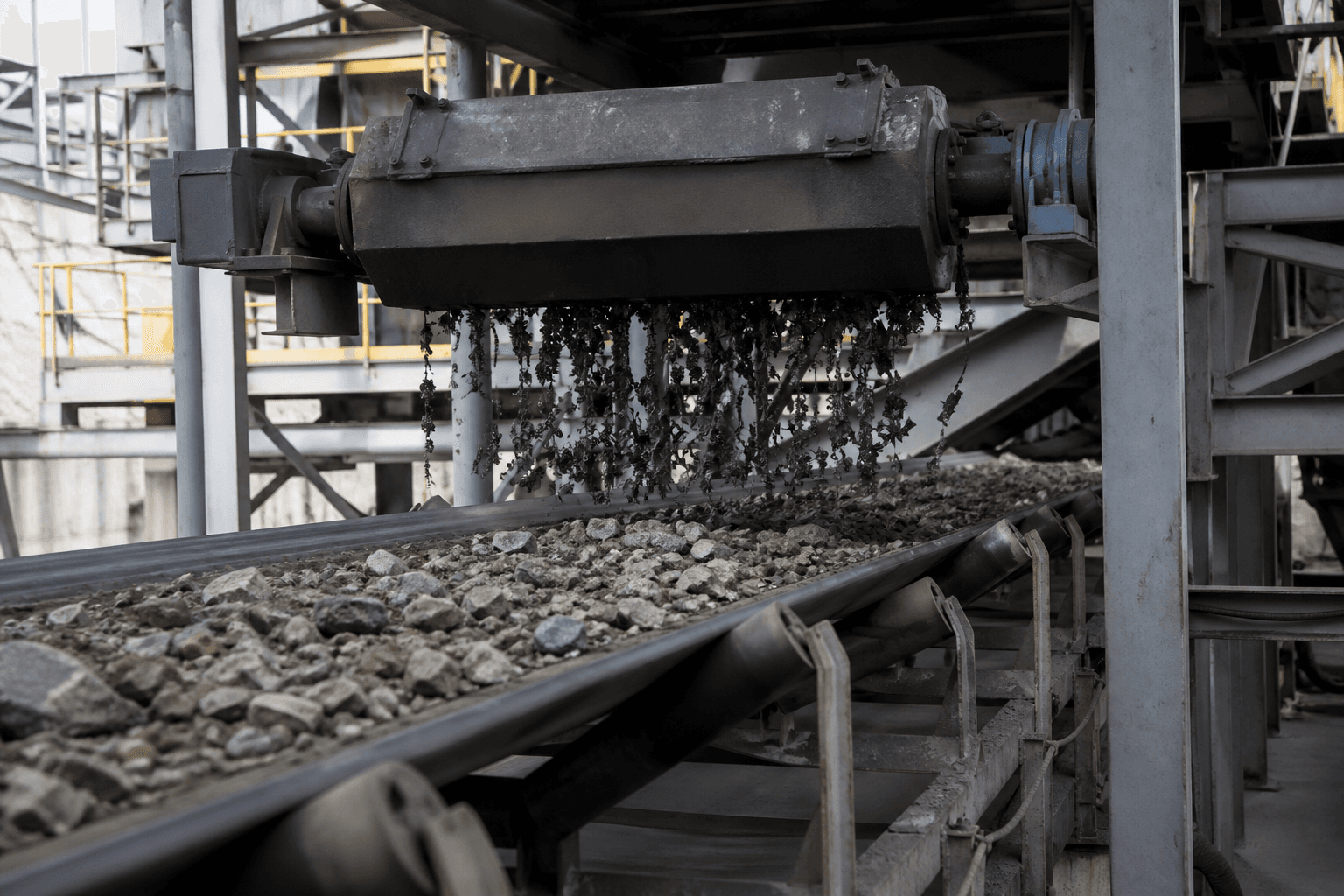
Checklist — weekly overband honesty
| Step | Check | Fail action | |------|-------|-------------| | 1 | Self-clean cycle completes; chute not bridged | Clear chute; inspect scraper wear | | 2 | Sample tramp mass per shift vs. baseline | Investigate upstream breakage or magnet saturation | | 3 | Belt cover wear under magnet zone | Replace cover; check for buried metal scoring belt | | 4 | Magnet gap to belt per OEM | Re-shim; gap growth lets fines with bolts pass | | 5 | Motor amps at clean vs. loaded belt | Rising amps with thin tramp = buildup on magnet face | | 6 | Downstream metal detector hits vs. magnet dumps | If detector fires more, magnet is late not sensitive |
Overband separators own upstream protection for shredders, mills, and food lines. They fail when operators treat the magnet as maintenance-free steel furniture.
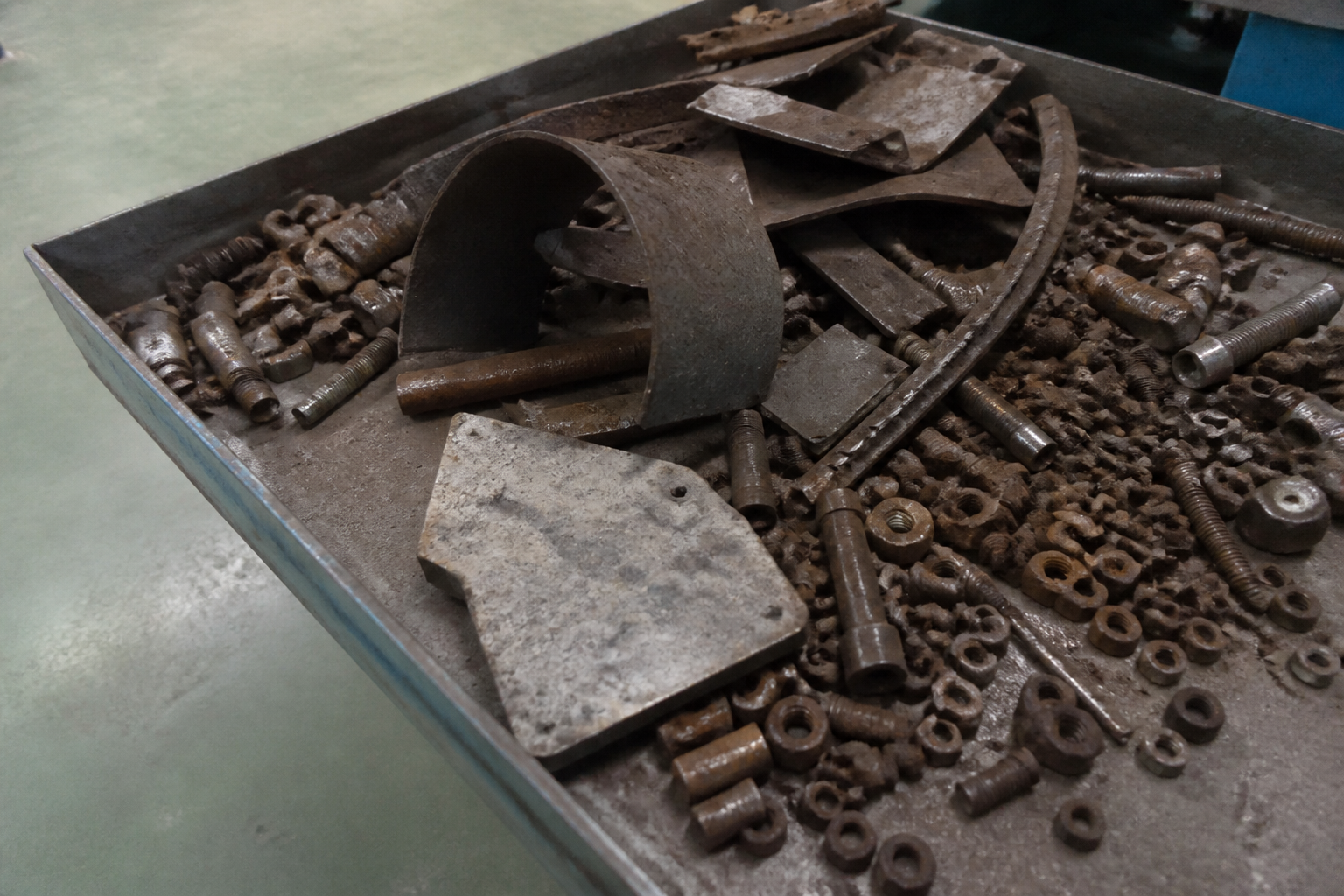
What plants forget
Running faster belt to hit tonnage without checking whether the magnet still has dwell time to lift. Skipping chute cleans because “it still picks big stuff.” Using the same gap after a new thicker belt cover.
Log tramp weight by shift. When mass drops while upstream digging stays constant, the magnet is saturated or mis-gapped—not the ore body magically cleaner.
The belt feeds tons. The magnet decides whether a bolt rides free to the expensive machine.