

When a tank “suddenly empties” on the HMI and the pump trips on low level, the first walk-down often finds product still at the manway. The ultrasonic head on the roof is wet, dusty, or aimed at a beam. The echo never came home. The transmitter timed out into a fail-safe that looked like inventory truth.
Guided-wave radar owns coated probes in contact service. Vortex meters own shedding in pipes. This note is non-contact ultrasonic level face condition and installation honesty.
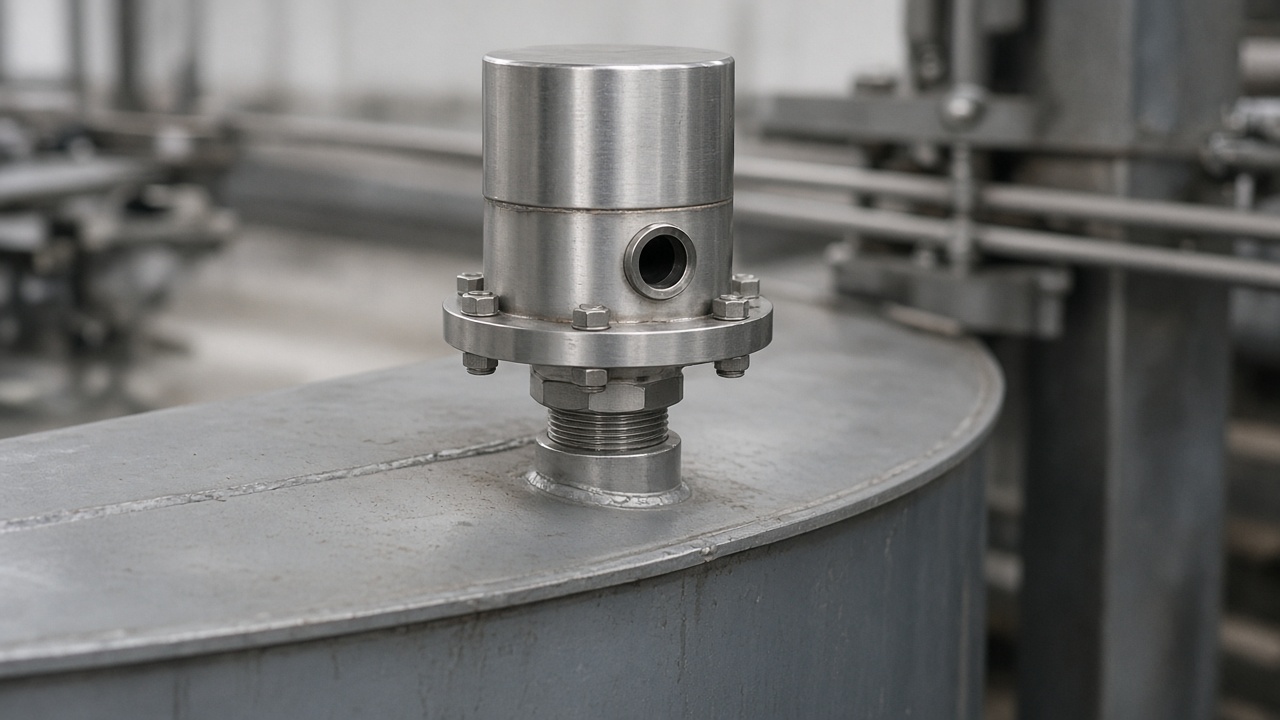
Ultrasonics measure time-of-flight to a surface. Foam scatters the pulse. Condensation or polymer film on the transducer face absorbs it. Vapor density swings after a hot fill change the speed of sound if the instrument cannot compensate. Mounting too close to a fill stream or agitator splash keeps the face dirty; mounting at an angle that the vendor never approved sends the echo into a wall.
Habits that restore the echo
Wipe and inspect faces on a splash-aware interval—especially after CIP steam or solvent cleans that leave mist. Verify blanking distance and stilling-pipe rules after any nozzle change. Compare ultrasonic to a sight glass or second technology after foam campaigns. Treat repeated “lost echo” events as a mechanical ticket, not a nuisance alarm to widen.
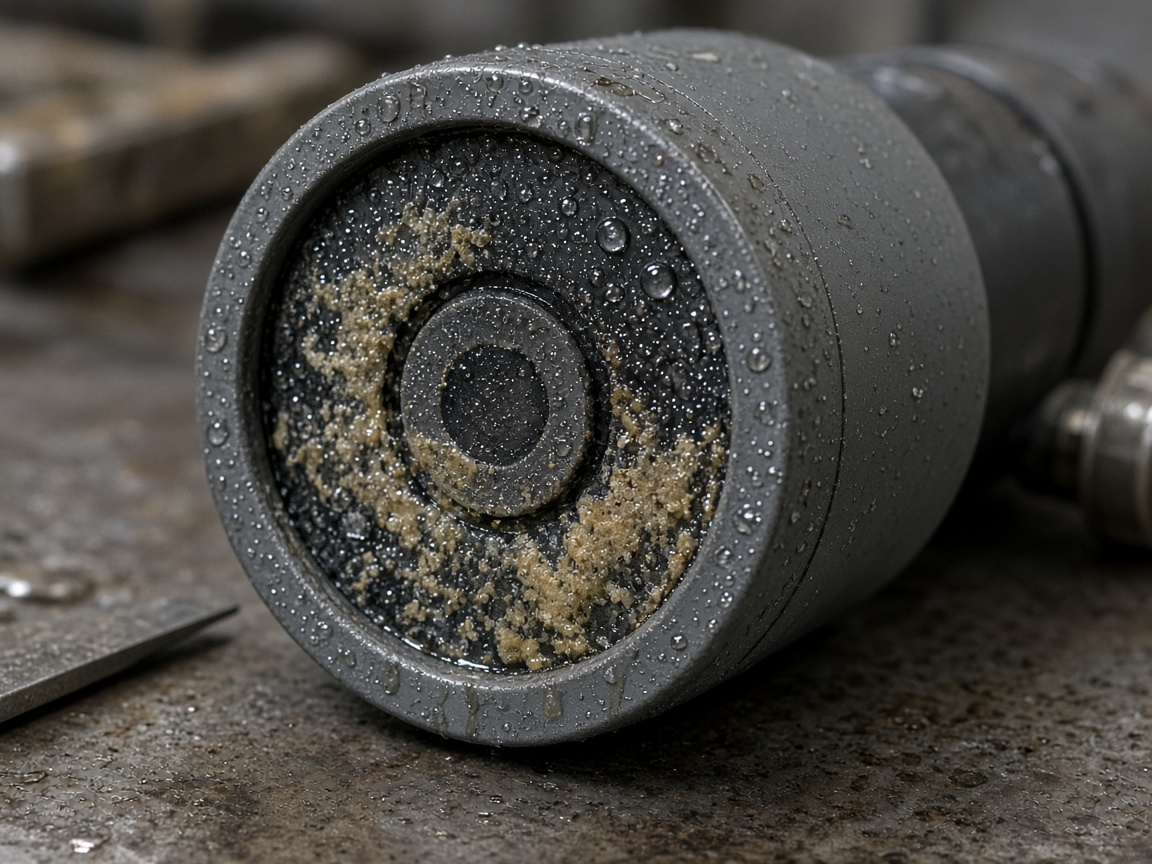
A green power LED does not prove the sound reached the liquid. When ultrasonics and the glass disagree, clean and aim the head before you rewrite the empty-full map or blame the inventory system.