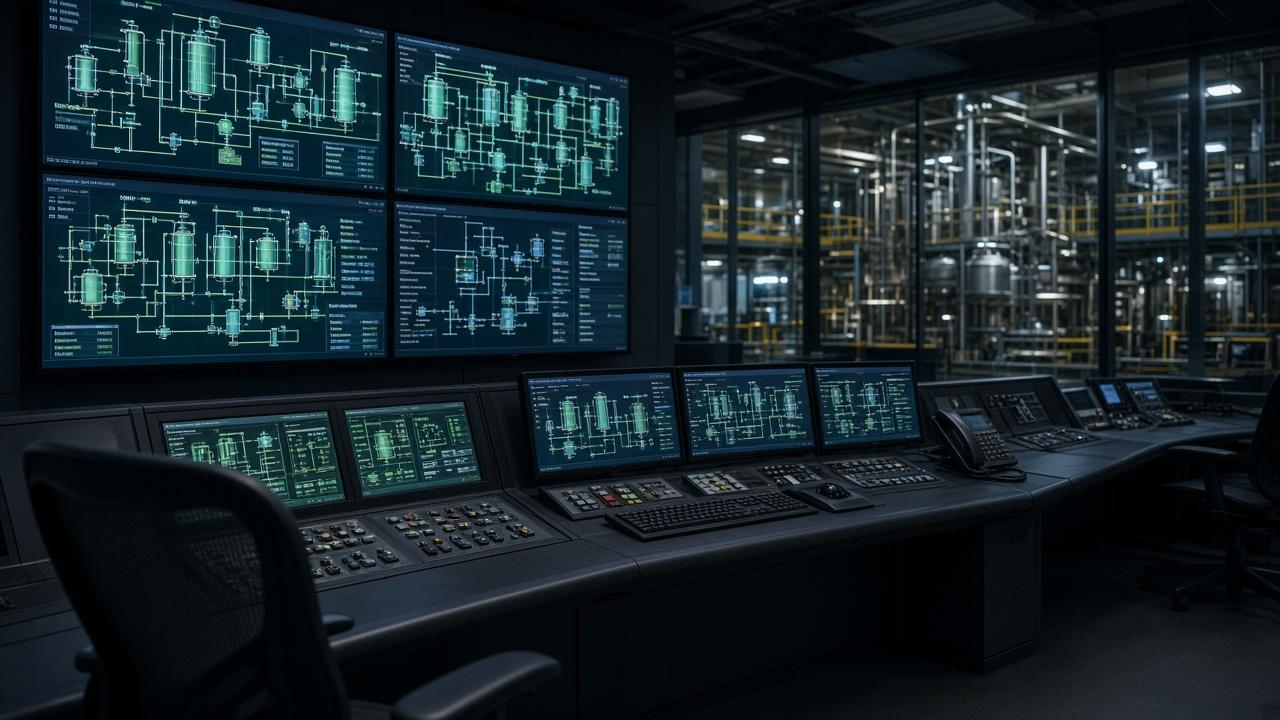
Schneider Electric introduced EcoStruxure Foxboro Software Defined Automation (SDA) on 9 February in Orlando as an open, software-defined distributed control system for hybrid and continuous process plants. The architecture keeps Foxboro’s process-control lineage while separating control software from dedicated controller hardware, with EcoStruxure Automation Expert as the runtime base. Schneider frames the move as a modernization path that preserves installed Foxboro investment instead of forcing a rip-and-replace cabinet swap.
Launch materials list secure-by-design principles and IEC 62443-3-3 compliance, plus interoperability aimed at IT/OT convergence and later AI or analytics hooks. Hany Fouda, SVP of Process Automation, cast SDA as giving plants agility to modernize without discarding what already runs. An accompanying Schneider–Omdia research note—cited in the same release—puts the annual cost of closed systems for mid-sized industrials at about 7.5% of revenue through downtime, inefficiency, and compliance retrofits; treat that figure as survey research, not a guarantee attached to any one Foxboro site.
Foxboro SDA is a product architecture announcement: it does not name a first commercial cutover plant, publish a migration-hour benchmark, or prove that every Foxboro node already runs software-defined. Read it as Schneider’s validated software-defined DCS offering for process customers who want hardware-independent control logic—and keep CapEx, OpEx, and AI claims at the level of vendor positioning until plant-specific evidence appears.