
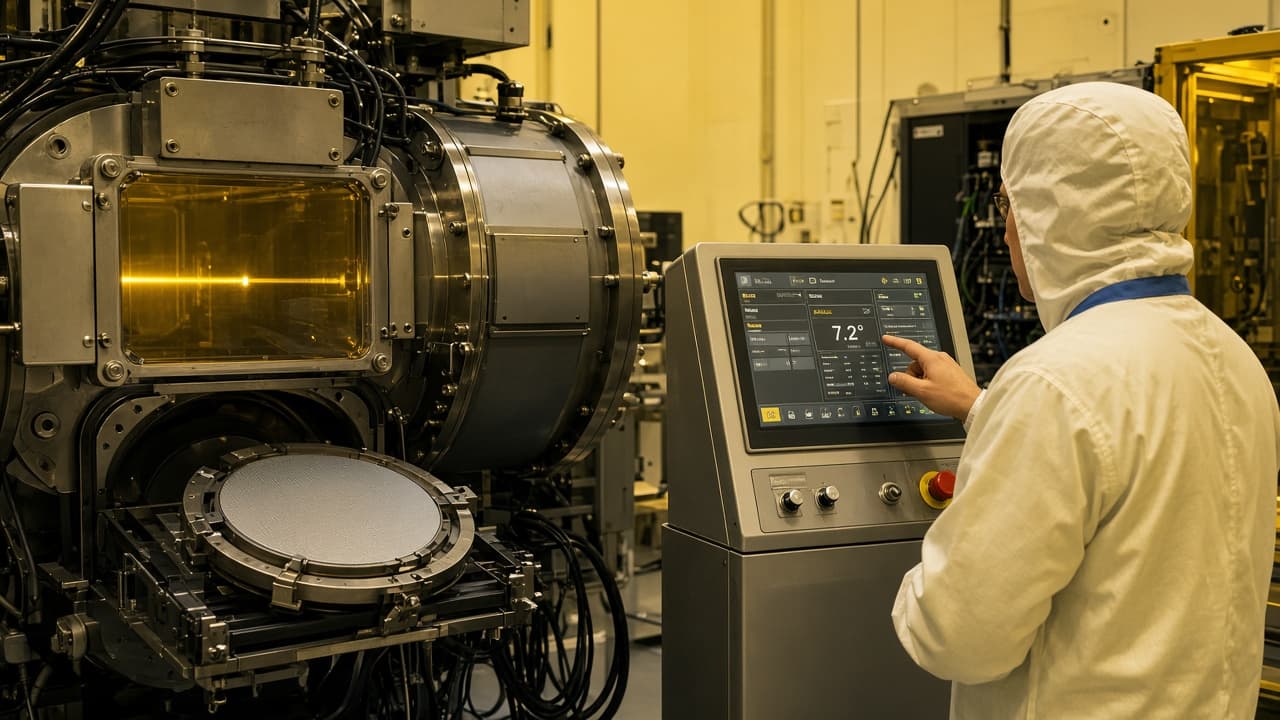
Faraday cups and dose SPC answer how many ions arrived. They do not fully answer where those ions stopped. In single-crystal silicon, ions that enter near a major axis or plane can channel: electronic stopping dominates for a longer path, the peak sits deeper, and sheet-resistance or Therma-Wave maps pick up patterns that look like “non-uniformity” when the real culprit is angle.
Industry practice for many (100) well and source/drain recipes still leans on a non-zero tilt—commonly on the order of 7°—combined with a twist (often around 20°–30°) chosen to avoid the worst axial and planar channels. Quad or multi-rotate implants further reduce shadowing from photoresist topography. High-energy work is less forgiving: published SIMS studies on MeV-class implants show that small angle errors (well under a degree) and twist choice can dominate the channeling tail, so beam-angle monitors and wafer cut-offset corrections matter as much as the dose recipe screen.
Dose-control briefs already own beam current and cup metrology. Photoresist-age notes own coat windows upstream. This note is tilt/twist discipline against channeling.
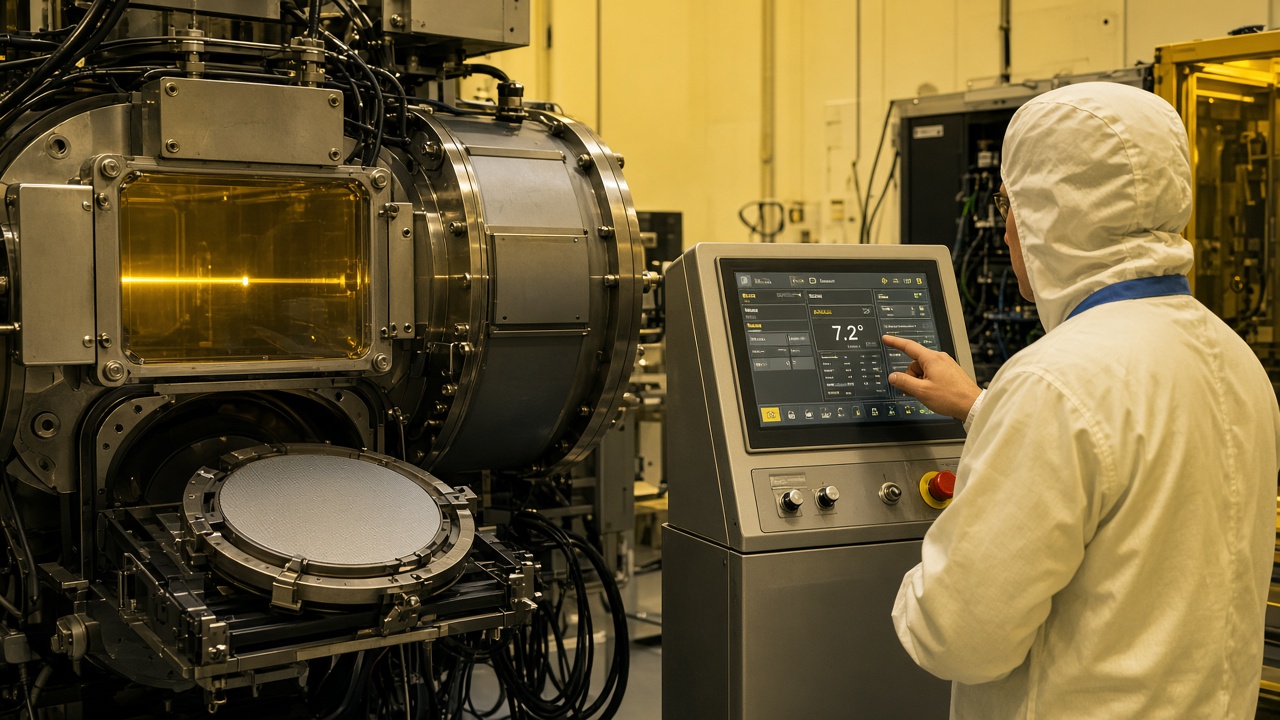
Write tilt and twist into the controlled recipe parameters—not as tribal “we always use seven and twenty-two.” After a platen service, robot teach, or endstation swap, re-verify angle against the tool’s calibration method before releasing production. When maps show systematic channeling signatures, check crystal cut offset, beam steering, and the programmed twist before blaming the source. Screen oxides and pre-amorphizing implants are legitimate process choices; they are not a license to ignore angle control on the steps that still see bare crystal.
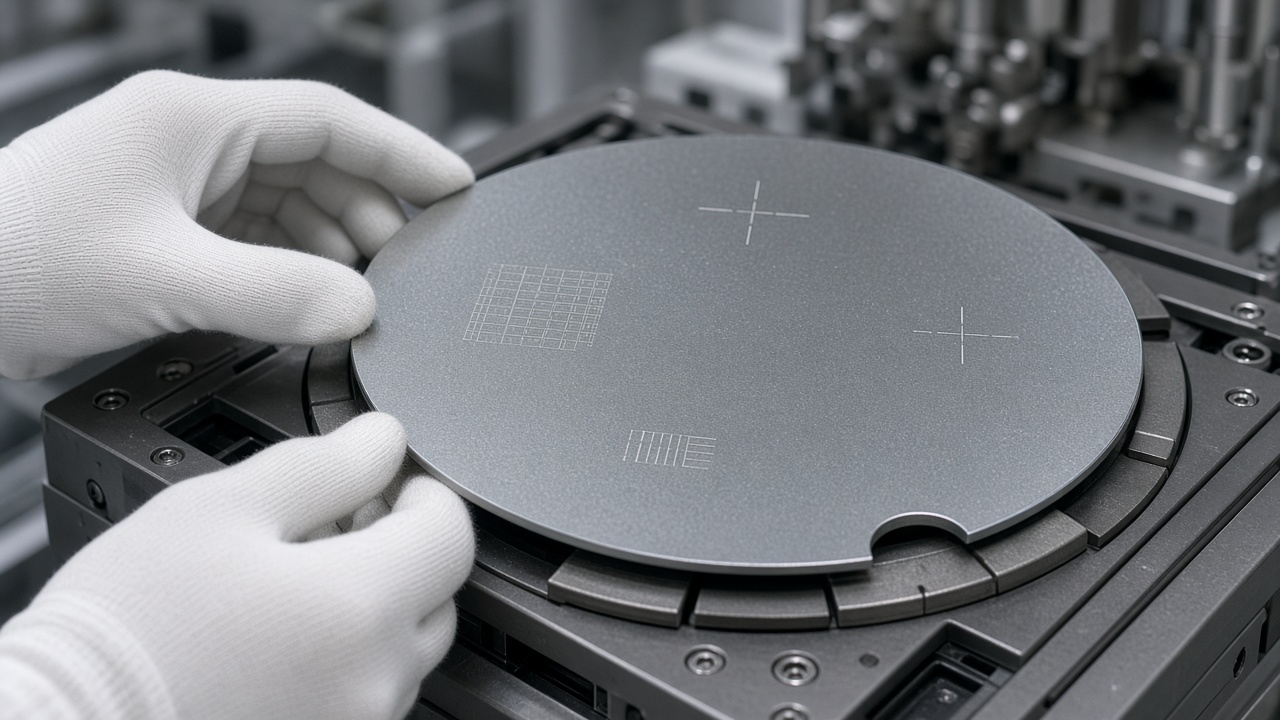
A green dose report with an open channel is a deep junction wearing a good totalizer. Close the angles with the same seriousness as the coulombs.