

Process plants put remote diaphragm seals on transmitters when the fluid is hot, corrosive, viscous, or must stay out of the sensor body. The seal face and capillary filled with oil or other fill fluid carry pressure to the cell. When that path is healthy, the transmitter is honest. When it is not, operators chase “process swings” that never left the fill system.
Impulse-line freeze and magnetic flowmeter coating are different tickets. This note is seal fill, capillary integrity, and face damage.

How the lie shows up
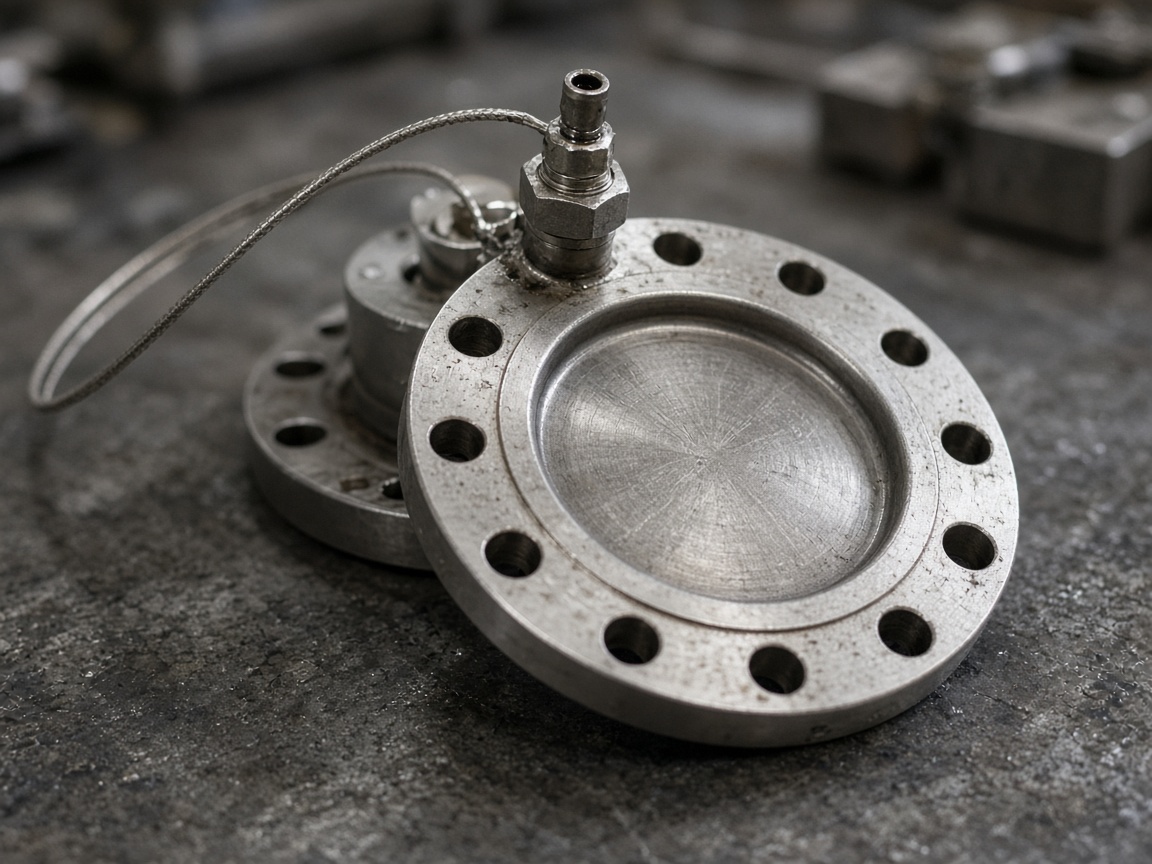
A vacuum pocket or underfill in the capillary adds offset and temperature sensitivity. Fill fluid that thickens in the cold slows response until the trend looks lagged. A scratched or dented diaphragm changes effective area; a coated face on slurry duty acts like a second orifice. Zero checks with the process isolated still look fine if both sides of a DP pair share the same failure mode—so single-sided checks and known head tests matter.
Installation and service
Keep capillary length and routing inside vendor limits; coil excess neatly without kinks. Match fill fluid to temperature and process compatibility. After any seal replacement, refill and evacuate per procedure, then re-zero and span with a documented head. Do not “top up” a capillary in the field without the right tools—air is not a fill fluid.
When a remote-seal transmitter drifts with ambient temperature more than sister instruments on the same line, inspect the seal system before you replace the electronics.