
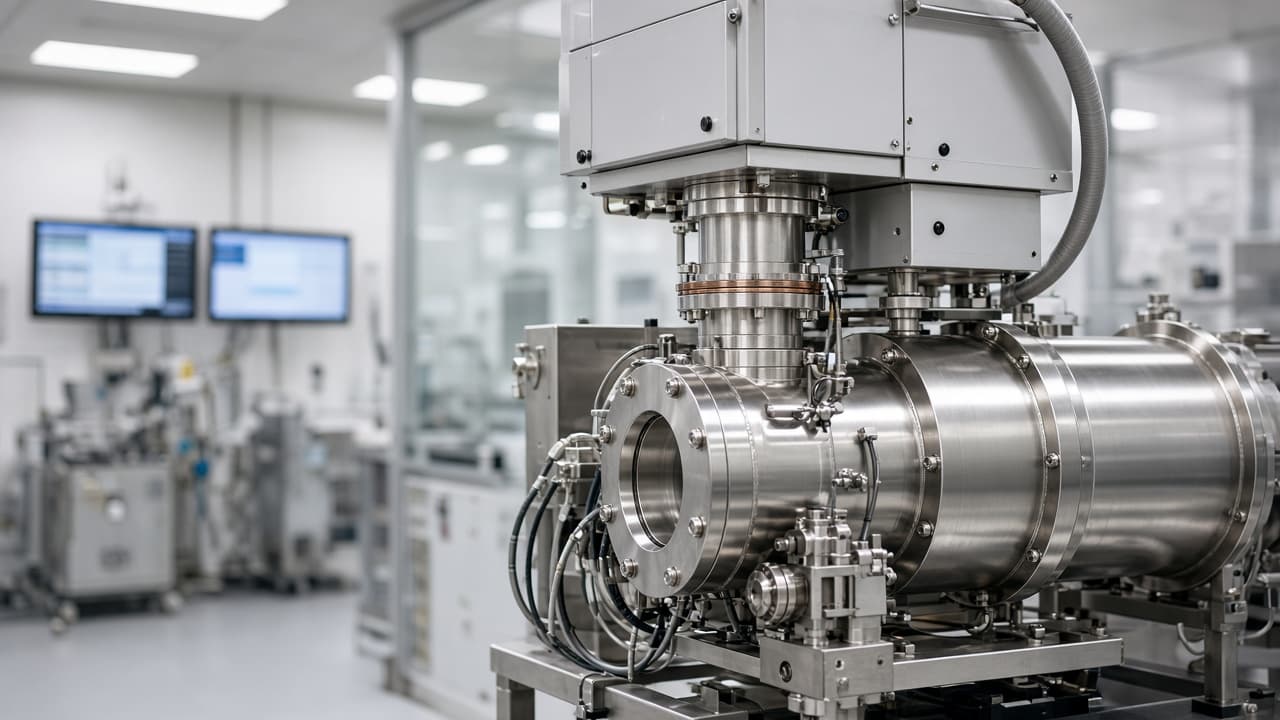
Many plasma and deposition chambers rely on cryogenic vacuum pumps for high gas loads that turbo and dry pumps alone cannot hold. A cryopump cools an array to cryogenic temperatures so condensable and some noncondensable gases stick. Capacity is finite. Regeneration—warming the array, pumping the desorbed gas through the roughing path, then cooling again—is the maintenance cycle that restores that capacity.
Load-lock leak-up and dry-vacuum foreline briefs own adjacent vacuum honesty. ESC helium owns chuck cooling. This article owns cryopump capacity and regeneration discipline on process tools.
Capacity is a process variable
As the array loads, pumping speed for water and process byproducts falls. Chamber base pressure may still look acceptable for a while; then pumpdown times stretch, residual gas analyzers show rising H₂O or process fragments, and etch or deposition rates walk. Operators often blame RF hours or chemistry. The cryopump log would have shown regen overdue or incomplete.
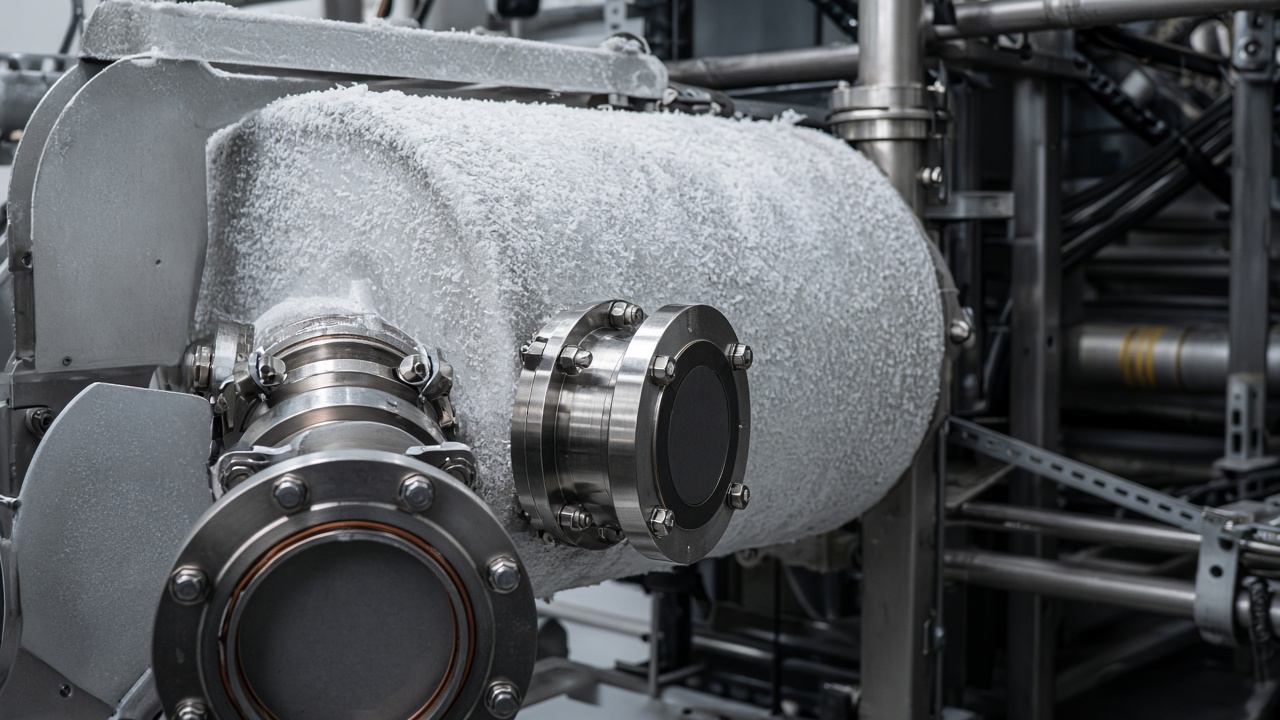
Regeneration that proves itself
A regen that ends when a timer expires is not the same as a regen that reaches a documented warm temperature, holds for desorption, and cools to a qualification temperature with a leak-check or capacity proxy. Incomplete warm-ups leave ice and contaminants. Regenerating too rarely saves calendar time and spends chamber matching meetings. Regenerating into a weak roughing path simply moves the garbage.
Ownership
Name who can defer a regen past the capacity or hour limit. Log array temperature, regen start/stop, and post-regen pumpdown to a known base. Treat cryopump serials in chamber matching the way you treat RF hours.
Cryopumps buy high throughput vacuum. They charge that purchase in regeneration. Pay on schedule, or pay in residual gas.