
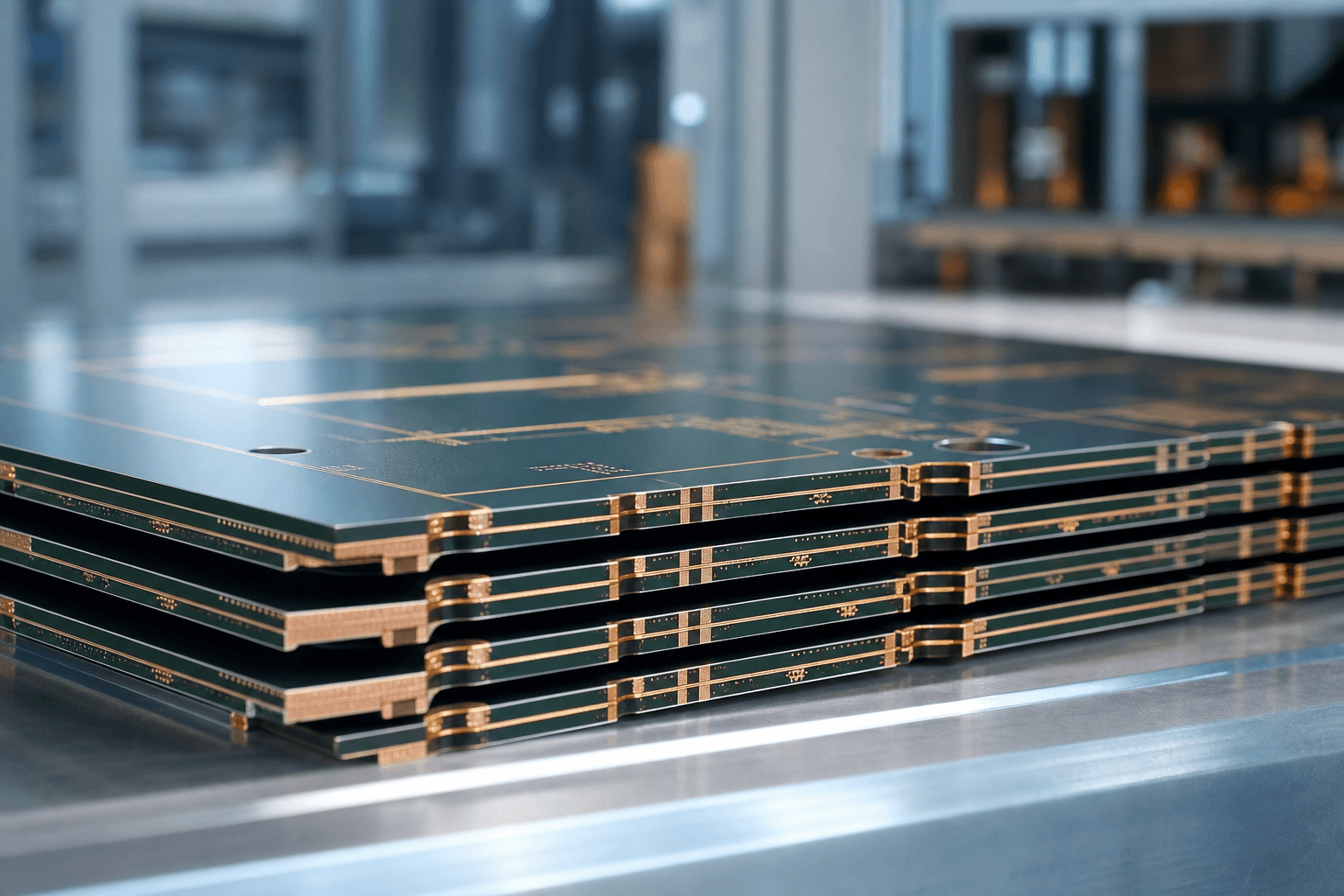
Glass-core substrates chase warpage and size. CoWoS and panel packaging race assembly capacity. Hybrid bonding gates HBM stacks. Package test and burn-in screen what leaves the OSAT. What still determines how many AI packages can ship at volume is organic build-up: ABF and related laminate capacity, layer count, and yield.
Substrate suppliers and OSATs are expanding ABF lines even as glass pilots run—because tomorrow’s demos do not clear today’s backlog.
The industrial point is known-good organic substrate weeks. A glass roadmap slide does not free a CoWoS package waiting on ABF.
What ABF capacity changes
- Layer-count and panel utilization — Yield at the thicknesses AI packages demand.
- Supplier diversification — Reducing single-source substrate risk.
- Near-term CapEx priority — Expanding organic lines while glass qualifies.
What still fails
Treating glass qualification as a substitute for ABF volume planning. Ignoring substrate warpage scrap as “assembly’s problem.” This is not glass-core materials racing, not hybrid bond yield, not CoWoS/CoPoS equipment slogans, and not package ATE/burn-in capacity alone.
What to watch next
- ABF lead times and ASP signals through the next AI package ramps.
- Which suppliers hold yield at higher layer counts without chronic scrap.
- Dual-path strategies that fund glass without starving organic expansion.
Glass may win the next form factor. ABF still decides this year’s ship count.