
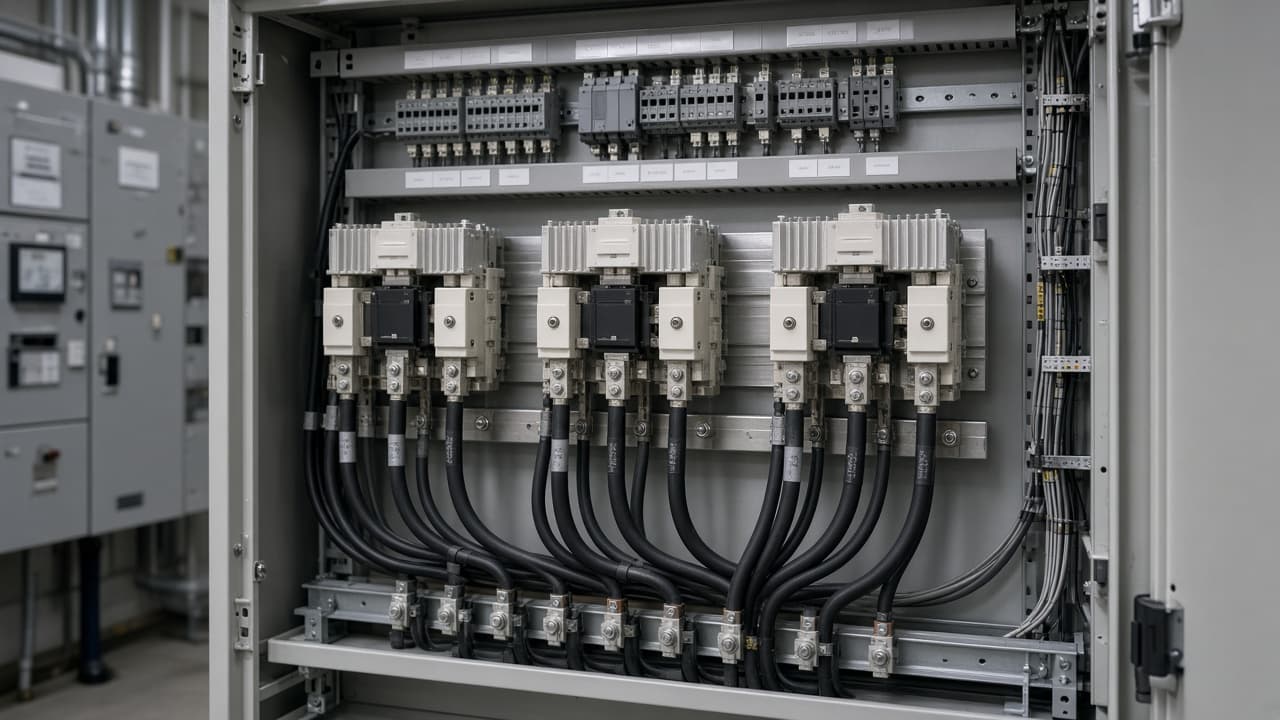
Across-the-line starting dumps full voltage onto an induction motor. Torque and current spike; belts slip; couplings complain; upstream voltage dips. Soft starters ramp voltage (and therefore torque) over a controlled interval using thyristors, then typically bypass to a contactor so the semiconductors are not in the continuous path. That is a starting method. It is not variable-speed control.
Active harmonic filters and PFC banks address current distortion and power factor on the feeder. Regenerative VFDs own speed and recovery. This brief owns when a soft starter is the right product—and what still has to be engineered.
Fit and non-fit
Soft starters fit pumps, fans, and conveyors that run at fixed speed after start and need reduced mechanical and electrical stress during acceleration. They do not give you intermediate speeds, PID flow control, or energy savings from affinity-law turn-down. If the process needs those, the soft starter is a delay before someone buys the VFD anyway.
Heat, bypass, and coordination
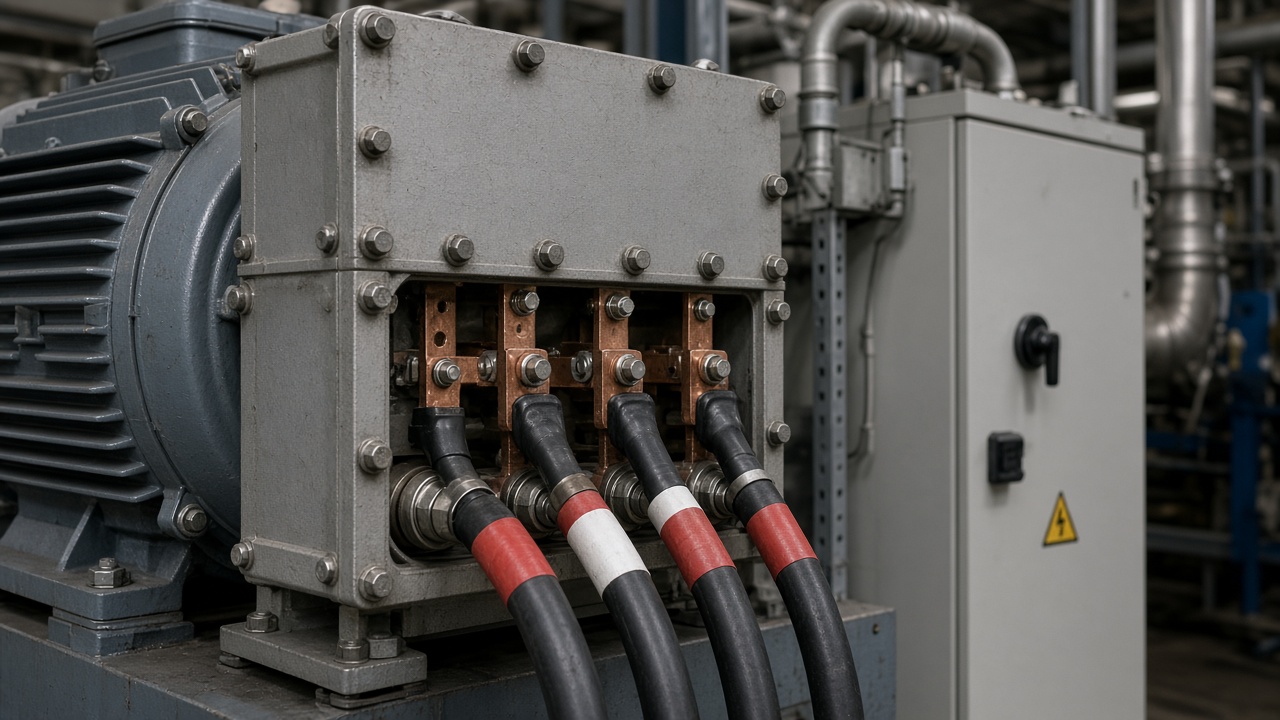
During the ramp, thyristors dissipate heat. Enclosure ventilation, ambient rating, and starts-per-hour limits are part of selection—not footnotes. Bypass contactors must be sized and maintained; a failed bypass leaves the semiconductors carrying continuous current they were not meant to carry. Coordination with upstream breakers and with motor protection (including possible different trip behavior during ramp) belongs on the single-line and in the commissioning checklist.
Application honesty
Do not sell “soft start” as “energy efficiency” without a load profile that actually spends time at reduced torque after start. Do not omit torque-control or current-limit settings that match the driven machine’s mechanical limits. Do not ignore regenerative or high-inertia loads that need a different stopping strategy than a freewheel.
A soft starter is a controlled handshake between the grid and a fixed-speed motor. Use it for that handshake. Buy a drive when the process must change speed.