
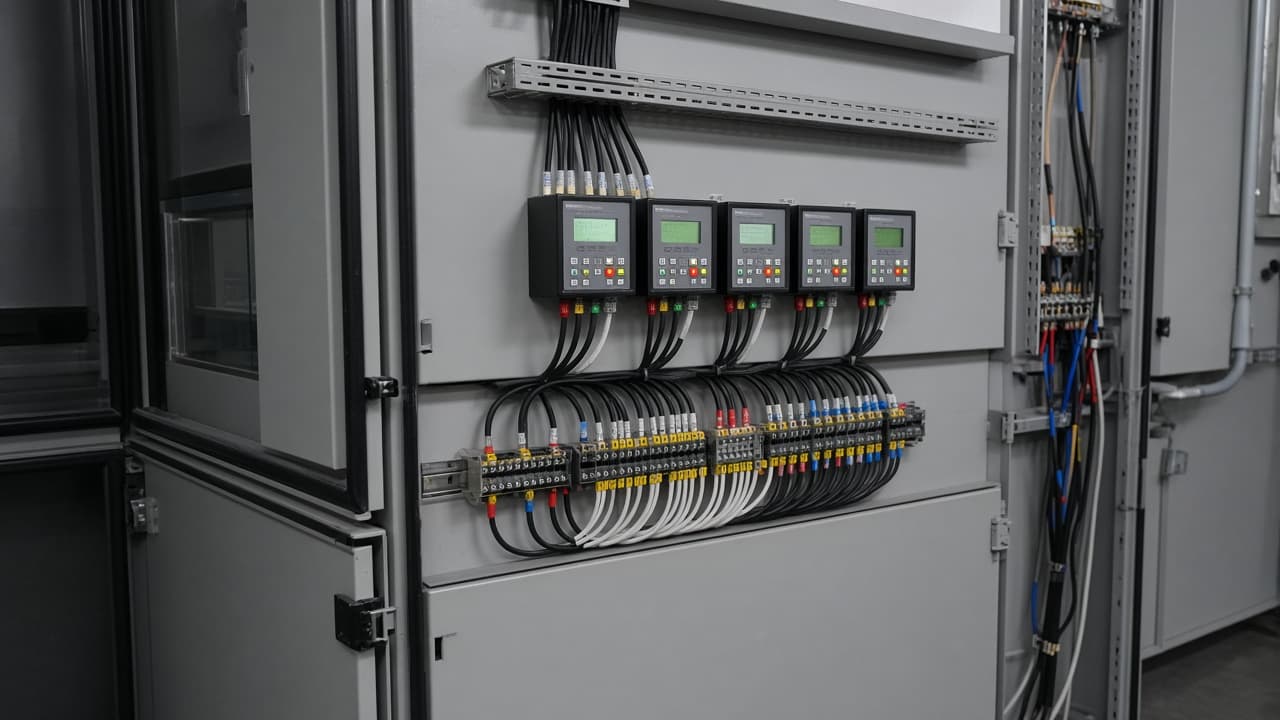
Industrial and utility protective relays decide when breakers open. Their algorithms—overcurrent, differential, distance, and related functions—consume current and voltage signals from instrument transformers. When a current transformer (CT) cannot reproduce the primary current on its secondary, the relay is solving the wrong problem with high confidence.
Bus-duct joint heating and medium-voltage cable PD monitoring address other failure modes on the electrical plant. This article is about CT secondary integrity and saturation as inputs to protection.
What saturation does
CTs are magnetic devices. High fault currents, large DC offsets, and burdens that are too high can drive the core into saturation. The secondary waveform then collapses or distorts. Instantaneous overcurrent elements may under-reach. Differential schemes can see false operate or restraint depending on how the distortion appears on each side of the zone. Digital relays that sample waveforms still depend on the CT delivering something close to the true current.
Burden includes the relay input, wiring resistance, and any meters left in the circuit. Long secondary runs and undersized wire raise burden. Leaving a test plug or shorting bar in the wrong state changes the circuit the CT was commissioned for.
Open secondaries
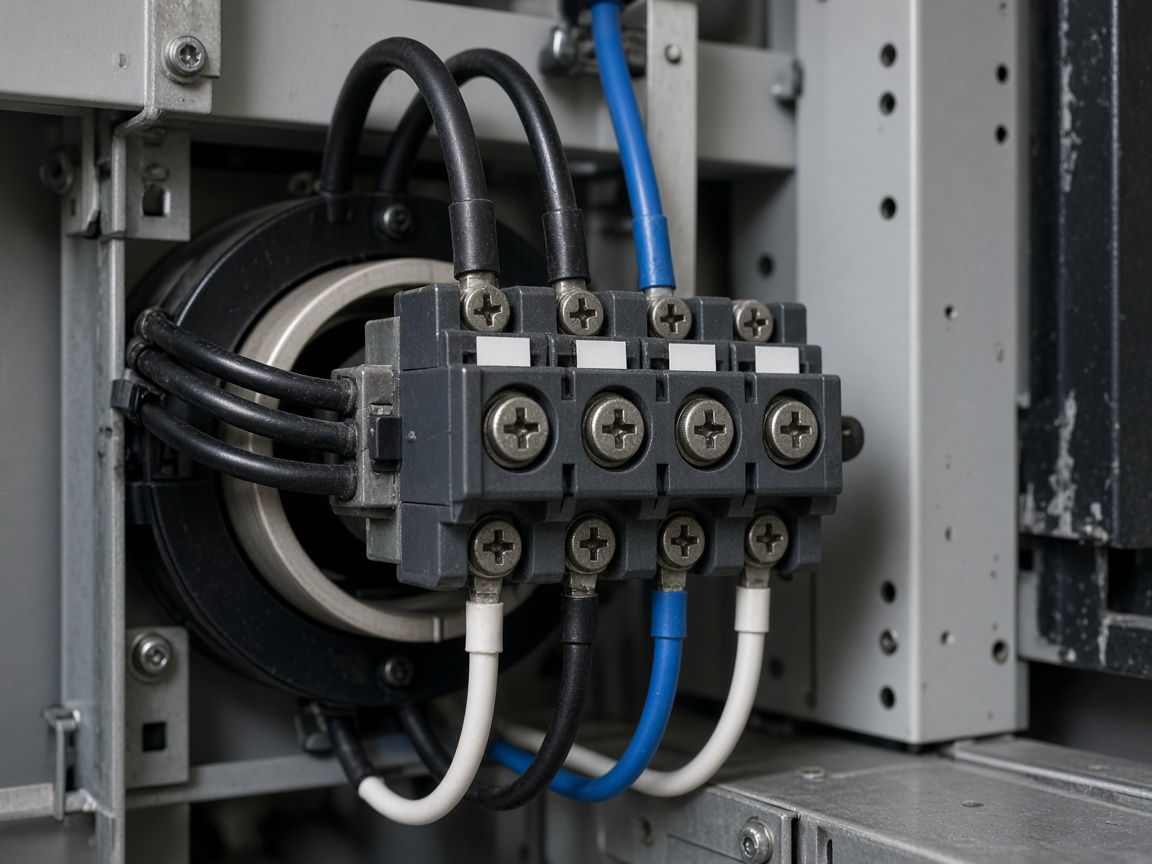
An open CT secondary on an energized primary can produce hazardous voltages on the secondary wiring and can damage the CT. Shorting practices during maintenance exist for that reason. Work packages that lift secondary wires without a controlled short are not “temporary convenience”—they are a personnel and equipment hazard.
Commissioning checks that still matter
Ratio and polarity checks, burden measurements, and saturation or excitation curve reviews (as appropriate to the CT class and application) belong in the record for each protection zone. After wiring changes, relay replacements, or CT swaps, re-validate the secondary circuit continuity and shorting provisions. Coordination studies that assume ideal CTs do not repair a saturated or miswired installation.
If a relay operation looks “impossible” relative to the fault report, include CT condition and secondary integrity in the investigation—not only the relay firmware revision. Protection is only as honest as the current it is shown.