
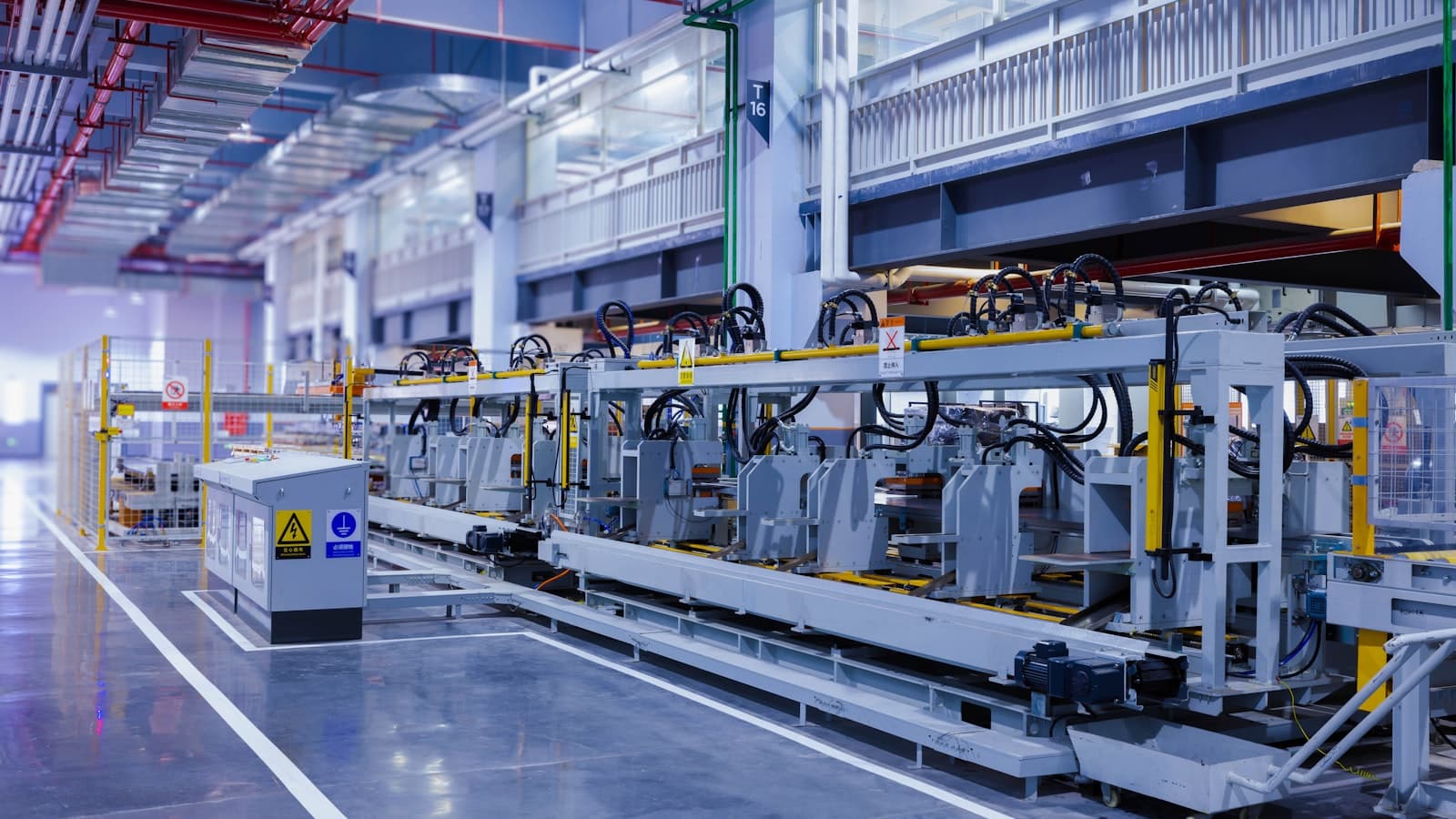
“Physical AI” moved from conference slogan to vendor stack language in 2026. Chipmakers, robot OEMs, and industrial software firms are packaging simulation (digital twins / Omniverse-class environments), edge perception, and robot learning into blueprints aimed at factories—not only at cloud training clusters.
The industrial pitch is orchestration: train and validate robot and quality behaviors in simulation, deploy to cells with shared compute, and close the loop with production data. Samsung–NVIDIA-style AI Factory collaborations and similar OEM programs made that pitch concrete for manufacturing audiences in the first half of the year.
What the stack is supposed to unify
- Simulation-first commissioning — Test layouts and robot policies before steel moves.
- Shared perception — Vision models reused across inspection and guidance.
- Fleet learning — Improve mobile and fixed robots from aggregated plant experience—with governance.
What plants still have to own
A blueprint is not a MES. Without hooks to scheduling, quality holds, and change control, physical AI becomes a parallel pilot network. Safety cases for learned behaviors need versioning: which model was live when a near-miss occurred. Brownfield PLCs and proprietary robot controllers still dominate; middleware and OPC-class connectivity decide whether the stack sees real state.
Data center “AI factories” and discrete manufacturing floors share vocabulary but not constraints. Dust, cycle time, and union work rules do not appear in GPU rack diagrams.
What to watch next
- Named plants publishing cycle-time or scrap gains tied to the full stack—not only simulation demos.
- Standard patterns for model promotion from twin to line with audit trails.
- Whether robot OEMs standardize on one physical-AI toolchain or keep fragmented SDKs.
Digital twins and MES orchestration already matter on this site’s beat. Physical AI is the 2026 operations chapter: when simulation, robots, and production systems share one governed loop—or remain slideware.