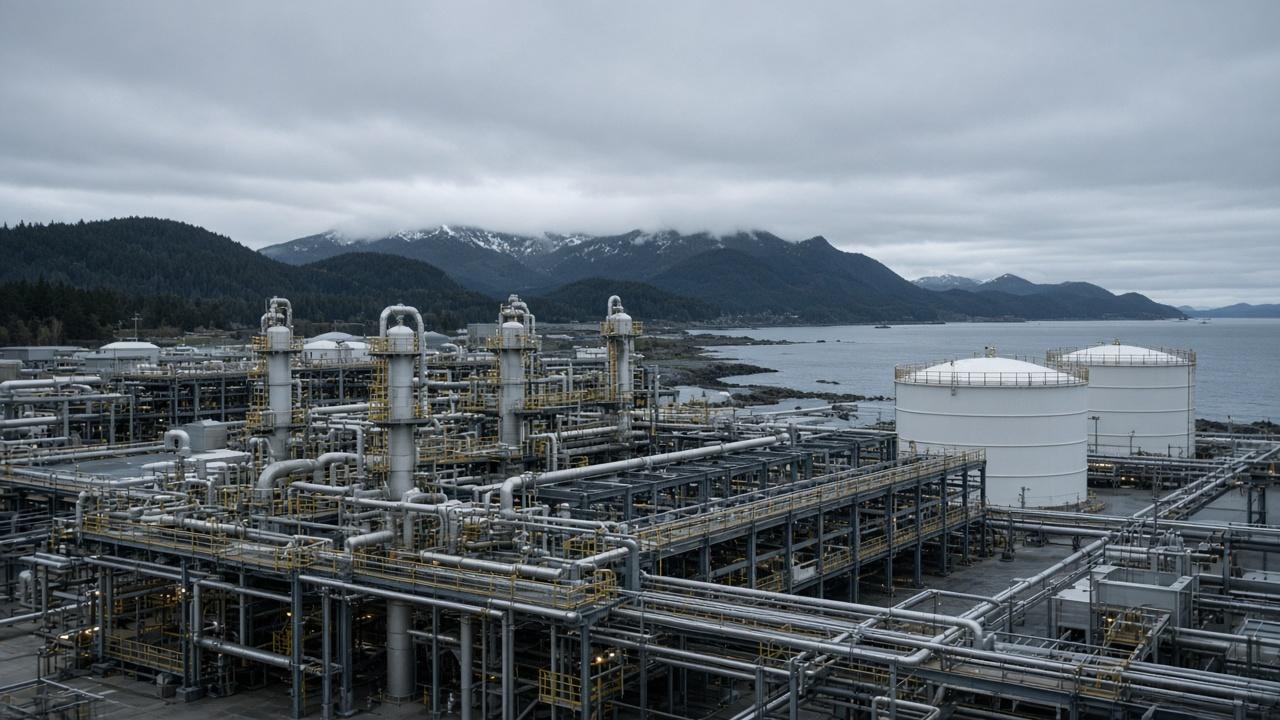
Yokogawa Electric said on 4 November that Yokogawa Corporation of America has been selected as Main Automation Contractor for LNG Canada Phase 2 in Kitimat, British Columbia. The buyer is JGC Fluor BC LNG II Joint Venture, the engineering, procurement, fabrication, construction, and commissioning contractor for the expansion. Phase 1 began producing LNG in June 2025 and completed facility handover in October 2025. Phase 2 adds Trains 3 and 4, another LNG storage tank, a condensate tank, a loading berth, and expanded utilities—and doubles nameplate capacity from 14 to 28 million tons per annum.
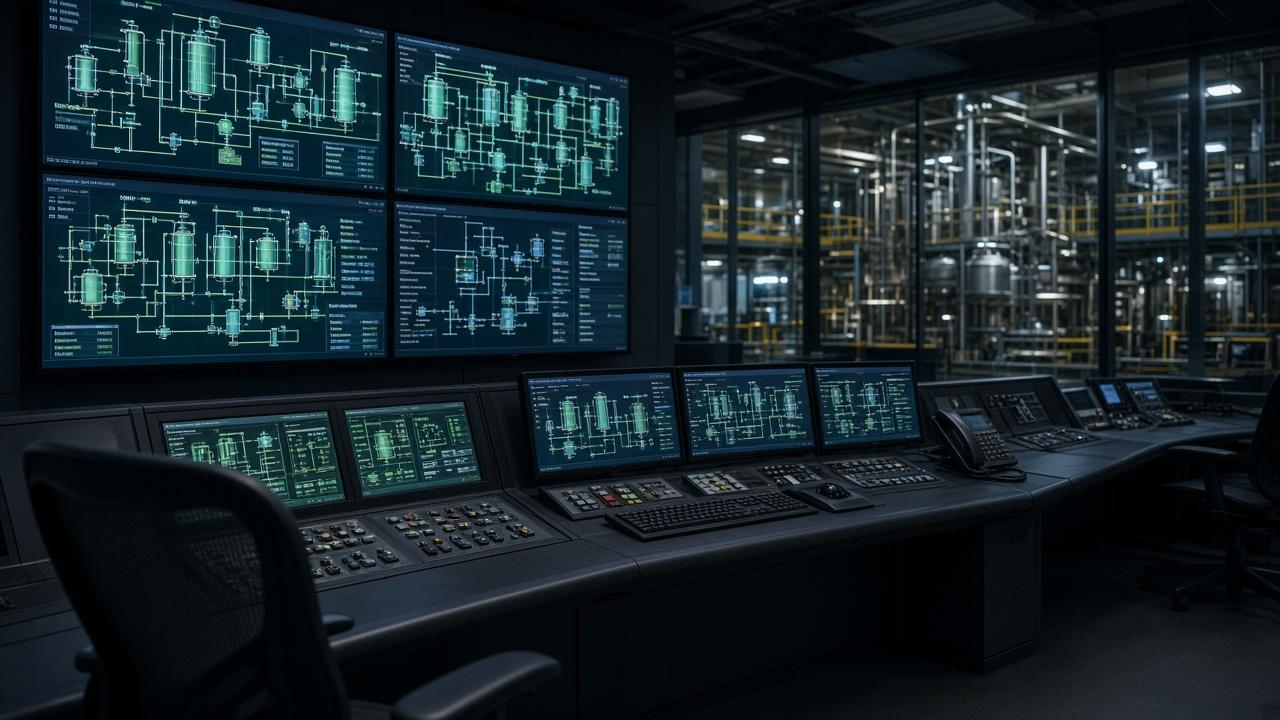
As MAC, Yokogawa’s scope covers the CENTUM VP production control system and the ProSafe-RS safety instrumented system, plus fire and gas, historians, operator training simulators, asset management, advanced applications, cybersecurity infrastructure, and industrial networks. Monitoring and control for the new trains and shared utilities sit on that platform. The company is explicit that Phase 2 extends the automation architecture already running on Phase 1 rather than standing up a parallel stack.
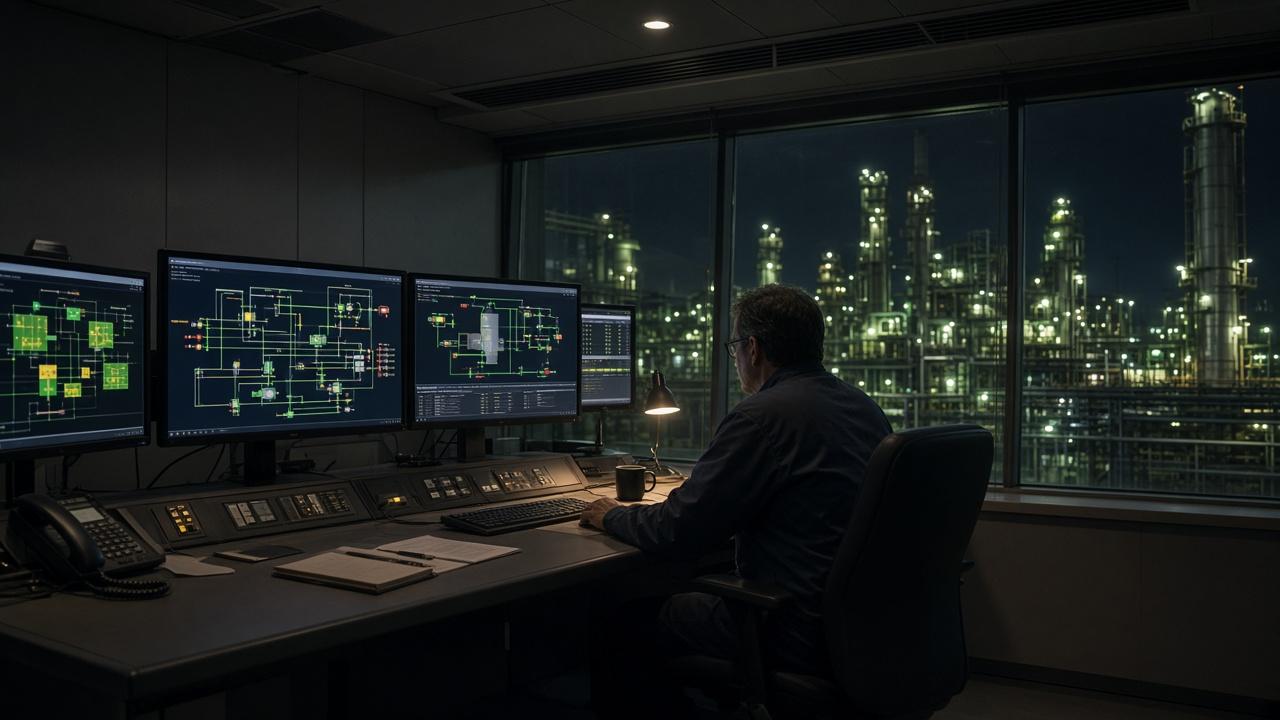
Reuse is the operational point. Same control philosophies, engineering standards, and system architectures across four trains reduce integration risk at cutover and keep operator training from fracturing into two dialects. Koji Nakaoka, head of Yokogawa’s Energy & Sustainability Business Headquarters, framed the award as continuing work on a platform built in Phase 1. That is a continuity claim, not a published reduction in commissioning hours or a guaranteed first-gas date for Trains 3 and 4.
Plant-systems notes on this site often stop at a single instrument or a locked HMI. Kitimat’s story is the opposite scale: a named MAC award that locks DCS and SIS choices for an expansion that doubles export capacity. The fact to hold is the platform continuity. The fact not to invent is a startup calendar Yokogawa did not publish with the award.