
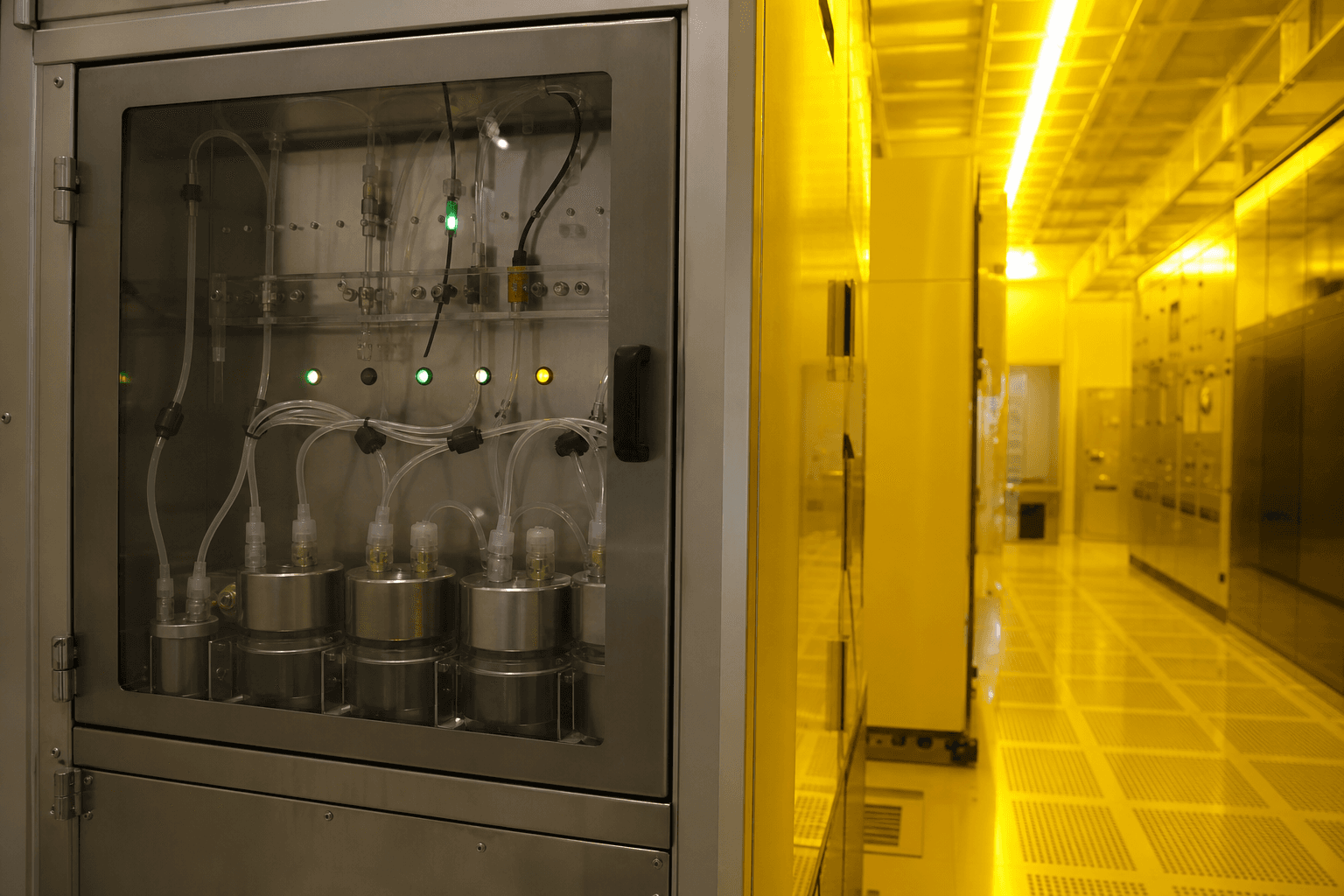
Yield meetings love nouns: “AMC,” “amines,” “resist poisoning,” “filter breakthrough.” What clears a lithography bay is not a noun. It is a timed investigation with chain-of-custody samples, tool-state freezes, and the discipline to stop changing three variables before the first lab result returns.
This brief is written as that hunt—an anonymized composite from logic and specialty fabs—not a filter vendor white paper, and not another EUV mask-supply story.
Hour 0 — the signature that is not a particle counter
A scanner bay starts printing a classic organic signature: CD drift and footing on chemically amplified resist after a filter change in an adjacent service corridor. Particle counts look healthy. Differential pressure is in band. The first wrong move is “open more make-up air.” The second is swapping resist lots. The third is blaming the last pellicle shipment because that is the fashionable bottleneck this quarter.
What actually starts the clock: freeze non-essential chemical moves in the bay, pull sorbent tubes at the tool FOUP interface and at the suspected corridor, and log every canister, wipe, and construction adhesive introduced in the prior 72 hours.
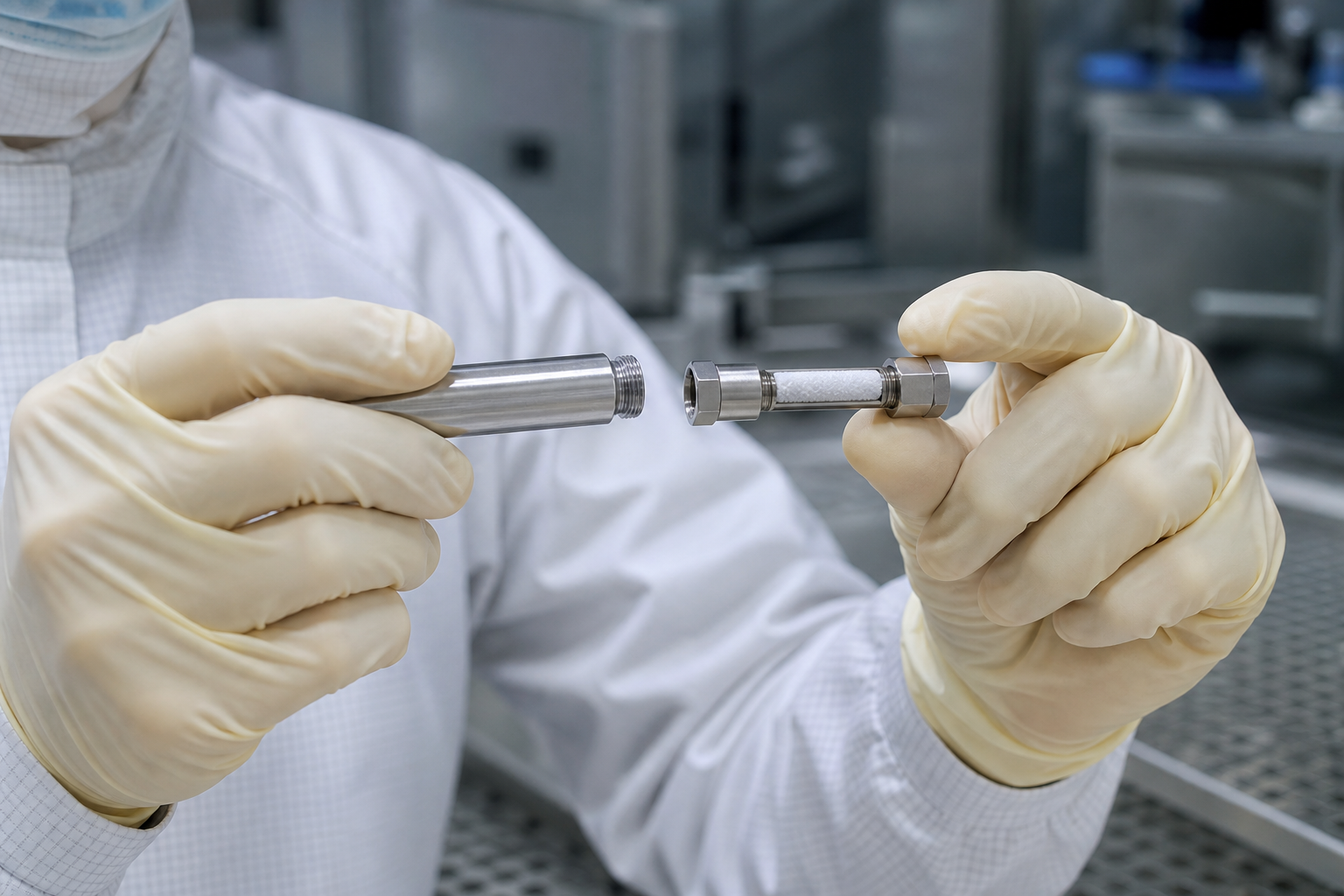
If you cannot name the sample location and time, you do not have AMC data—you have folklore.
Day 1–3 — maps before miracles
Lab returns show elevated amine-class species near a freshly painted chase, not near the scanner enclosure. The contamination path is not mystical: outgassing → recirculation → soft wall leakage → tool mini-environment. Sites that only monitor at the make-up handler miss the local source that sits inside the clean envelope.
Practical containment while waiting for abatement: isolate the chase under negative local exhaust, hold the painted surfaces with agreed cure time (not “it feels dry”), and keep the litho bay on a reduced recipe set that is less amine-sensitive until clearance samples pass. Heroes who keep running the most sensitive layers “to protect the schedule” often donate two more days of scrap.
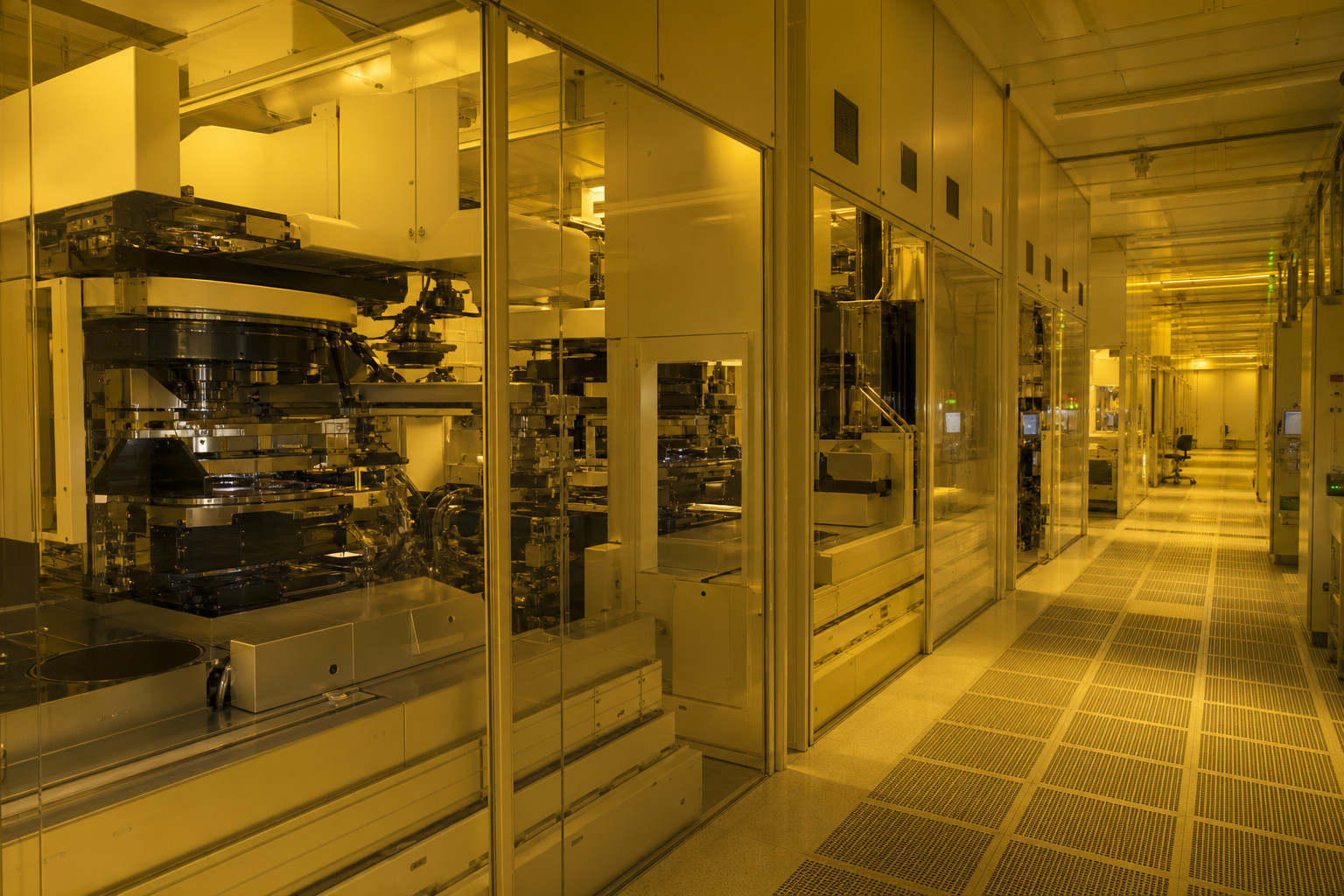
Particle-clean is necessary. Molecular-clean is a different measurement system.
Week 1–2 — what “cleared” must mean in writing
Clearance is not a single green dashboard. It is repeated samples below an agreed threshold at the tool, at the bay return, and after a controlled chemical reintroduction sequence. Filters get a change-out record with part numbers and install torque/seal checks; “we replaced HEPA” does not address molecular breakthrough on chemical filters sized for a different load.
Ownership that sticks: process engineering owns the resist/tool risk call; facilities owns the air handlers and chemical filters; EHS owns the solvent and amine inventory that should never have been staged in that chase. Without named owners, AMC becomes a recurring mystery every time construction or a facilities vendor “helps.”
Magnitudes without brochure theater
Exact ppb limits belong to your resist platform and your OEM. The ordering is stable: local sources beat distant make-up myths; sample chain-of-custody beats a single grab; cure and inventory control beat buying a thicker filter when the source is still outgassing inside the bay. Fabs that instrument only particles will keep celebrating clean ISO classes while chemically amplified processes quietly lose process window.
What this investigation is not
CMP slurry totes are a liquid chemical supply chain. EUV pellicles are a mask-integrity logistics problem. SiC wafer supply is a substrate bottleneck. Historian tag quality is a plant-data problem. None of them explain amine footing after a paint job. Do not open a slurry dual-source project and expect molecular cleanliness in litho.
Close-out questions before you declare victory
Which sample points are permanent versus emergency-only? Who can stage amines, adhesives, or construction materials inside the clean envelope without a recorded AMC risk review? When filters change, do you re-baseline molecular species or only particles? If the next facilities outage repeats this signature, will the timeline start at Hour 0—or at Day 4 of scrap?
AMC control is less about fear of invisible chemistry and more about treating the cleanroom as a chemical system with evidence. Start the clock, map the path, and refuse clearance theater.