

Industrial BESS shaves peaks with stored kWh. Microgrids decide who islands when the utility fails. Transformers and switchgear gate when the site can energize at all. Behind-meter turbines buy firm megawatts. What still sits underused in many factories is the load itself: process steps that can pause, shift, or tumble without scrap—if someone owns a shed list and a settlement meter.
Industrial demand response (DR) and flexibility programs pay sites to deliver verified MW drops in defined windows. In mature markets, event durations often cluster in the 30–120 minute band for many capacity/emergency products, with notice times from day-ahead to minutes depending on the product. The money is real only when operations, energy, and quality agree which loads are allowed to move.
The industrial point is a contracted megawatt you can drop without a quality incident. A spreadsheet of “flexible kW” that production ignores on event day is fiction.
When electrons are scarce but the process can wait
A familiar pattern: the utility or aggregator calls an event during a regional peak; the site either sheds non-critical HVAC and idle banks cleanly—or panics and cuts a furnace zone that ruins a campaign. Plants that succeed treat DR like a production mode: pre-qualified loads, interlocks, and a single event owner on shift.
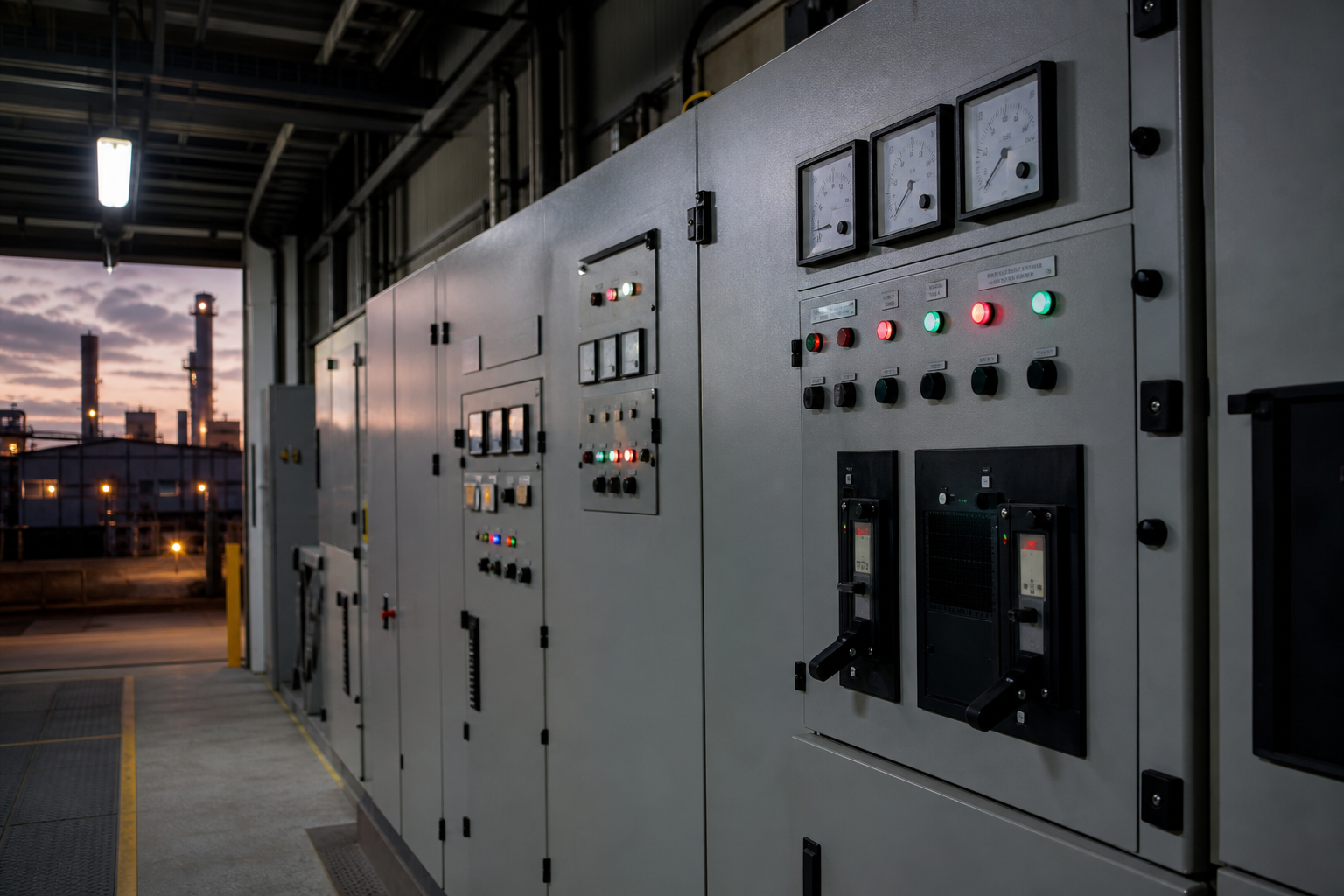
Settlement-grade metering and a live shed list matter more than a green marketing slide.
An anonymized metals-finishing campus enrolled in a capacity DR product locked a hierarchy: office HVAC and non-critical air first, then selected rectifier banks with thermal inertia, never the active line that held work-in-process at risk. Event performance hit contracted drop bands without a customer quality claim—because the shed list was rehearsed, not improvised.
What industrial DR actually requires
- A ranked shed list — kW, restore time, and quality risk per load.
- Telemetry that settlement trusts — Interval data aligned to the program rules.
- Shift playbooks — Who authorizes, who restores, what is never touched.
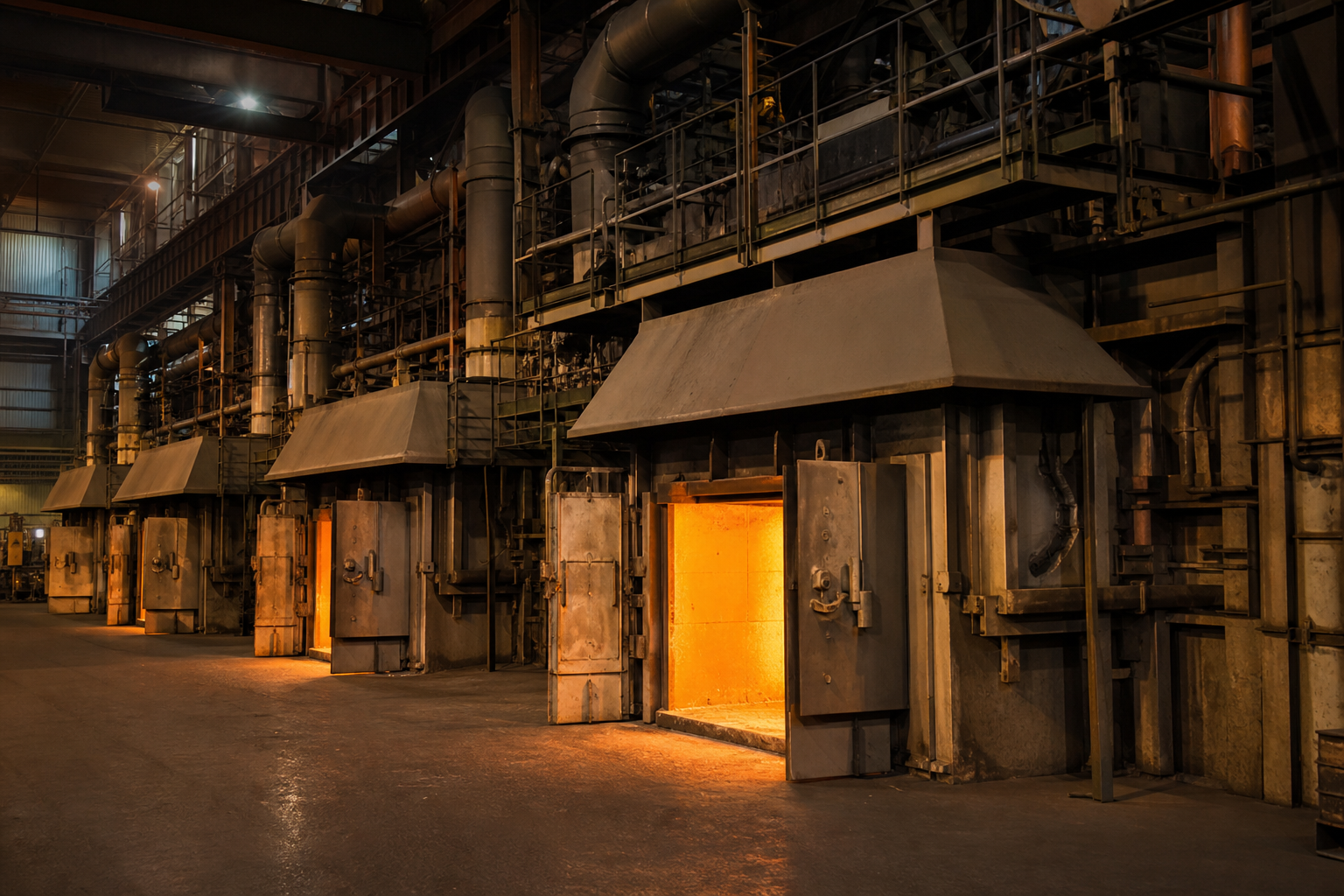
Thermal inertia and batch windows often create flexibility batteries cannot cheaply copy.
Mistakes that still burn trust
Enrolling nameplate load that operations will never release. Cutting safety- or quality-critical steps to chase an event payment. Confusing DR with microgrid islanding or with installing a BESS—those are different products on different contracts.
This is not transformer lead-time procurement, not SST rack conversion, not hydrogen process heat, and not electrode-boiler steam. DR sells flexibility of existing load.
Signals before you sign the next flexibility contract
- Test events with measured MW and zero quality escapes—not only enrollment paperwork.
- Whether aggregators and utilities accept your metering hierarchy without heroic manual adjustments.
- Process changes that create flexibility (batch timing, thermal storage) versus hoping idle kW appears on peak days.
Buyer checklist (short)
- Never-shed list — What is contractually and safely off-limits?
- Restore risk — How long to stable quality after an event?
- Stacking rules — Can DR coexist with on-site BESS or self-generation credits?
- Owner on shift — Named role with authority when the call comes?
Batteries store electrons. Demand response stores permission to not use them for a defined window—and gets paid when that permission is real.