
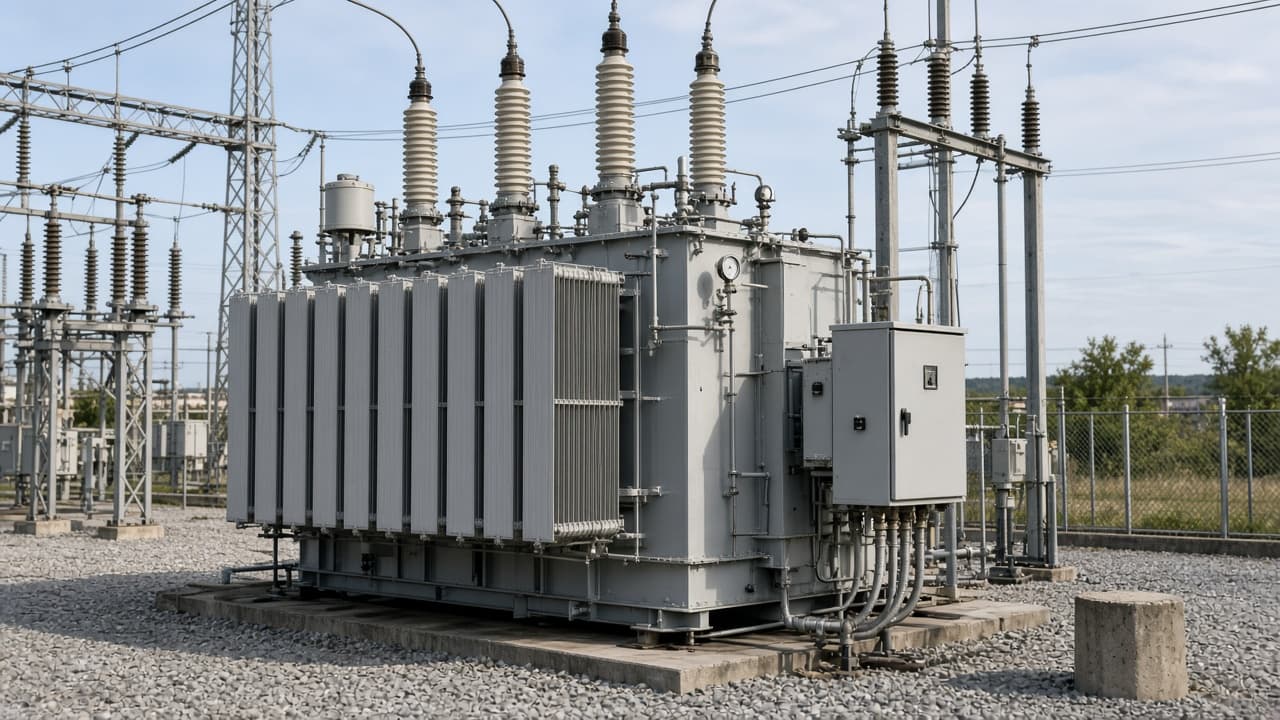
A power transformer can look healthy on dissolved-gas trends while its on-load tap changer (OLTC) is the part that actually moves every day. The OLTC changes turns ratio under load so bus voltage stays in band as demand and upstream conditions shift. Plants and substations that treat the OLTC as sealed furniture discover the mechanism only when voltage regulation becomes noisy, a tap sticks, or maintenance finally opens a compartment that has not been sampled in years.
This is adjacent to bushing checks and main-tank DGA, not a substitute for them. Bushings and the OLTC both live on the same machine; they fail on different calendars.
What wears
Selector and diverter contacts see arcing duty that the main windings do not. Oil in the OLTC compartment (where the design uses a separate volume) collects particles and carbon differently from the main tank. Filtration or oil replacement schedules that only follow main-tank labs leave the tap changer behind.
Motor-drive mechanisms, limit switches, and position indicators also age. A remote tap that “worked last month” is weak evidence if the local counter and inspection records are blank.
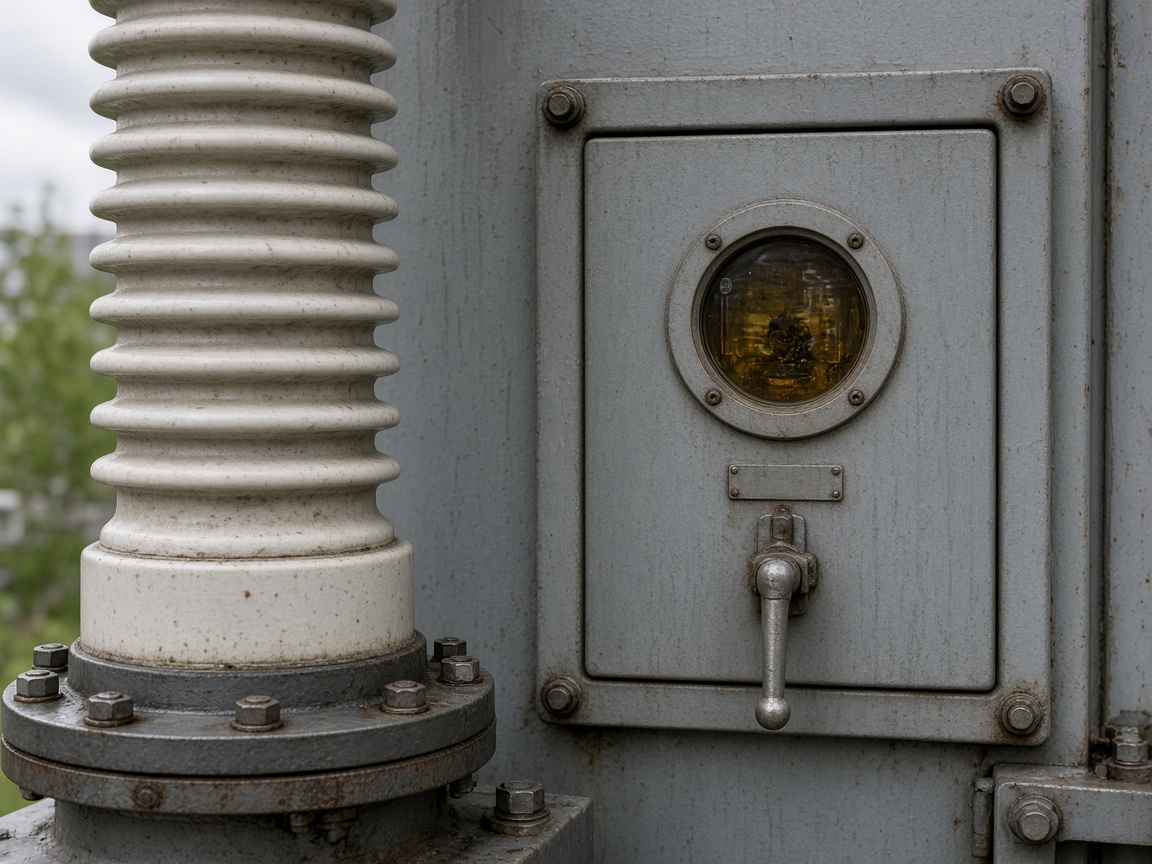
A workable maintenance frame
OEM manuals differ by model, so the following is a planning checklist—not a universal procedure:
| Item | Why it matters | |------|----------------| | Contact / diverter inspection per OEM interval | Catches wear before a stuck tap | | OLTC oil sample (when design allows) | Particles and breakdown strength, separate from main tank | | Operation counter vs. expected steps | Finds drives that barely move—or chatter | | Local/remote indication cross-check | Prevents wrong-tap operation after work | | Coordination with bushing power-factor / capacitance tests | Same outage window, different failure modes |
Voltage regulation as an operations signal
If operators report hunting taps, unexplained voltage steps, or frequent manual intervention, log it against the OLTC—not only against “utility soft.” A rough mechanism can still keep average voltage acceptable while stressing contacts.
I would not invent a single numeric “maximum operations between oil changes” that fits every OEM. The defensible approach is to put the maker’s interval on the same reliability calendar as DGA and bushing tests, then keep the records where the next engineer can find them during an outage window.