
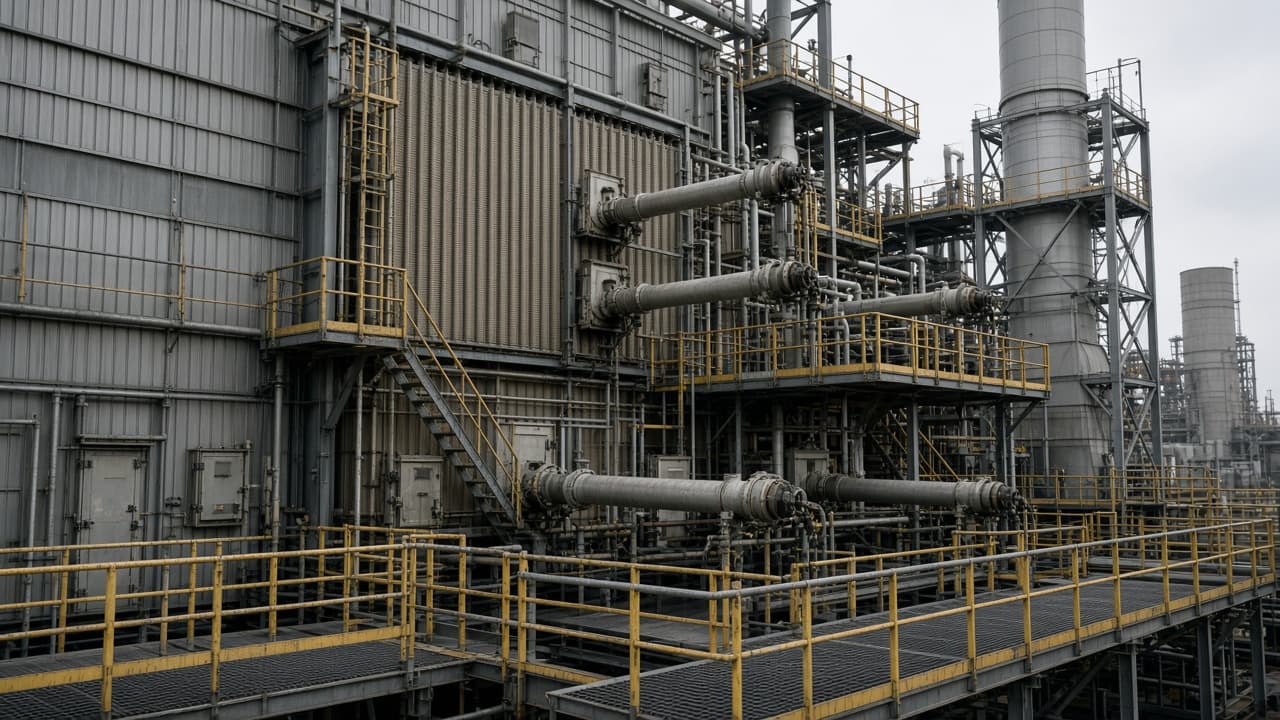
Combined-cycle operators meet HRSG fouling as rising stack temperature, climbing gas-side differential pressure, or a slow loss of steam production for the same turbine exhaust. The instinct is to run more sootblowing. Sometimes that is right. Sometimes it is how tube walls get thinned on a schedule.
Condenser approach, cooling-tower chemistry, and SCR ammonia slip are adjacent plant stories. This one is HRSG sootblower effectiveness and tube erosion risk—steam conditions, lance travel, and blow sequencing for heat-recovery steam generators.
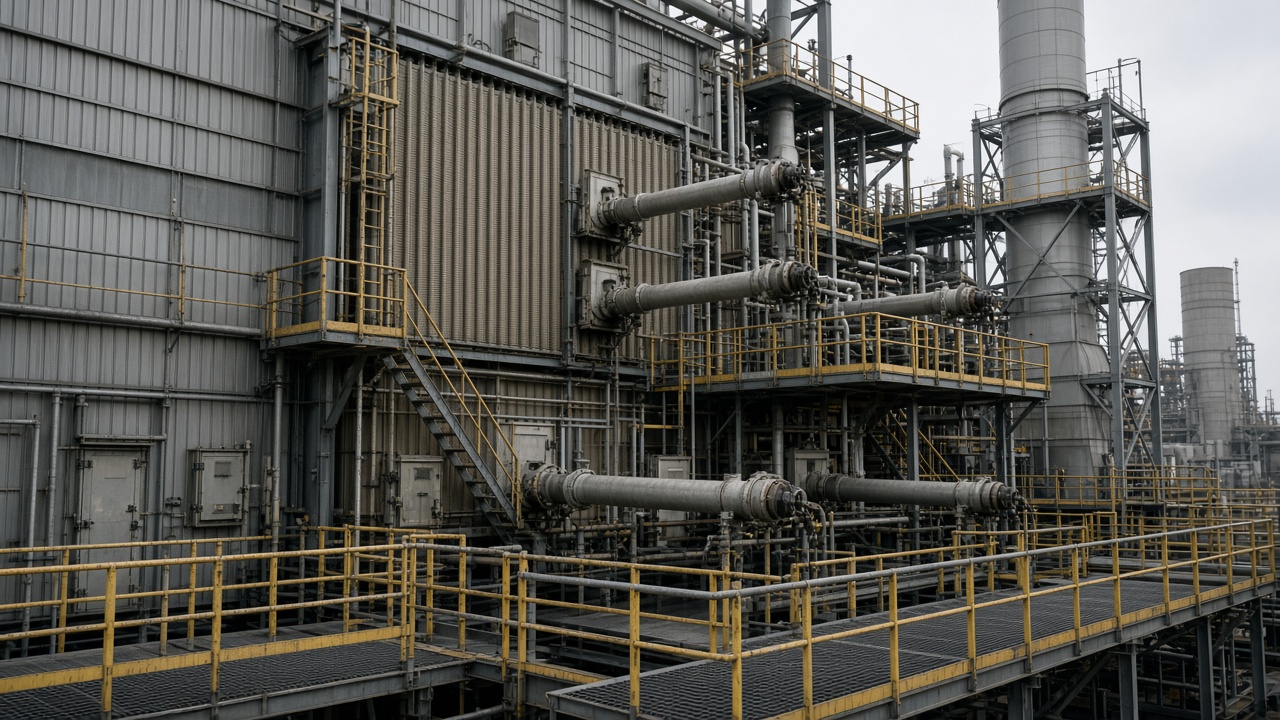
Sootblowers (often retractable steam lances) dislodge ash and deposits so heat transfer recovers. Effectiveness needs enough steam pressure and dryness at the nozzle, full travel across the intended lane, and a sequence that hits dirty sections without parking a jet on the same tubes every hour. Wet steam cuts cleaning and can damage lance hardware. Short travel leaves stripes of fouling. Over-frequent blowing on clean tubes spends steam and metal.
Reading the plant instead of the pushbutton
Trend gas-side DP and economizer / evaporator approach temperatures against sootblower counters. A blow that does not move DP was not a clean; it was a steam expense. Tube leaks or thinning that cluster on sootblower lanes are erosion geography—inspect travel switches, poppet valves, and steam traps that feed the blowers before you blame “bad fuel” alone.
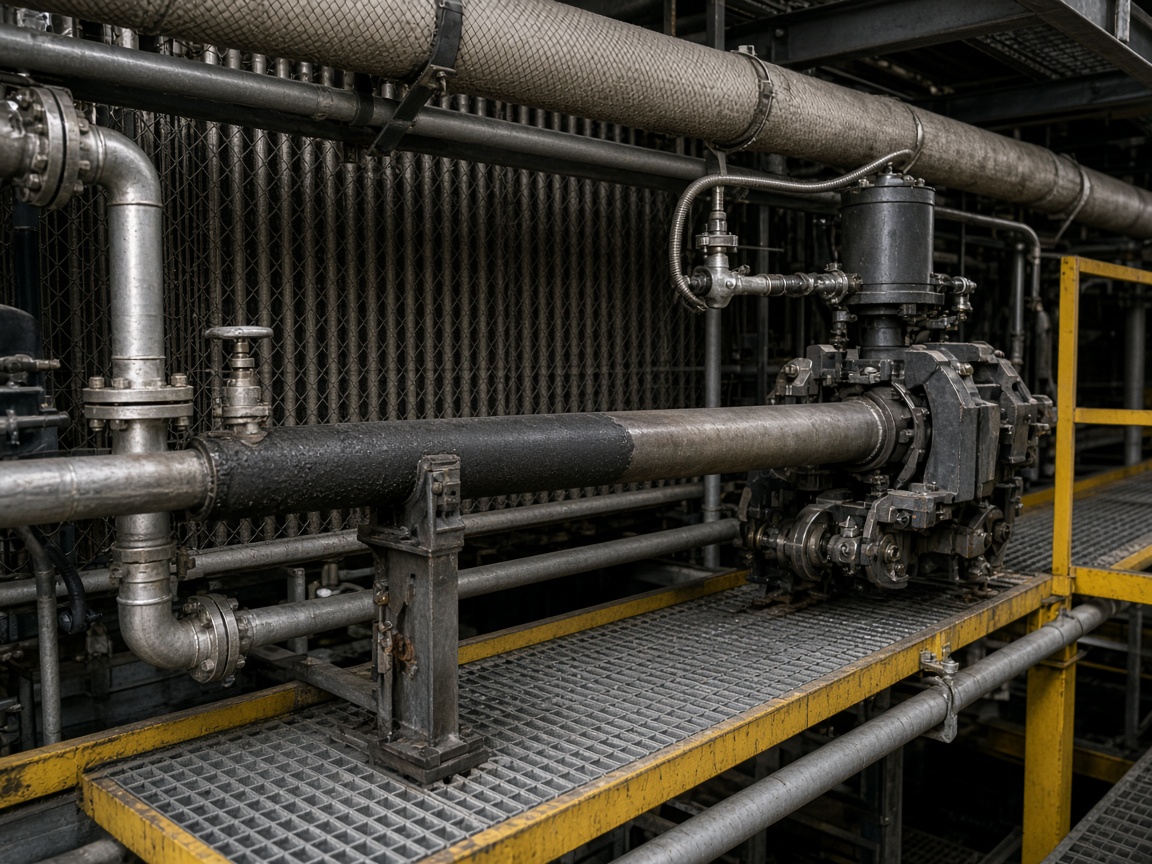
Document who may change blow frequency. After an outage pad or fuel change, re-baseline which lanes actually need steam. HRSGs that only count “blows completed” fund quiet tube work. HRSGs that pair blow evidence with DP recovery and lane inspections keep both heat rate and wall thickness in the conversation.