
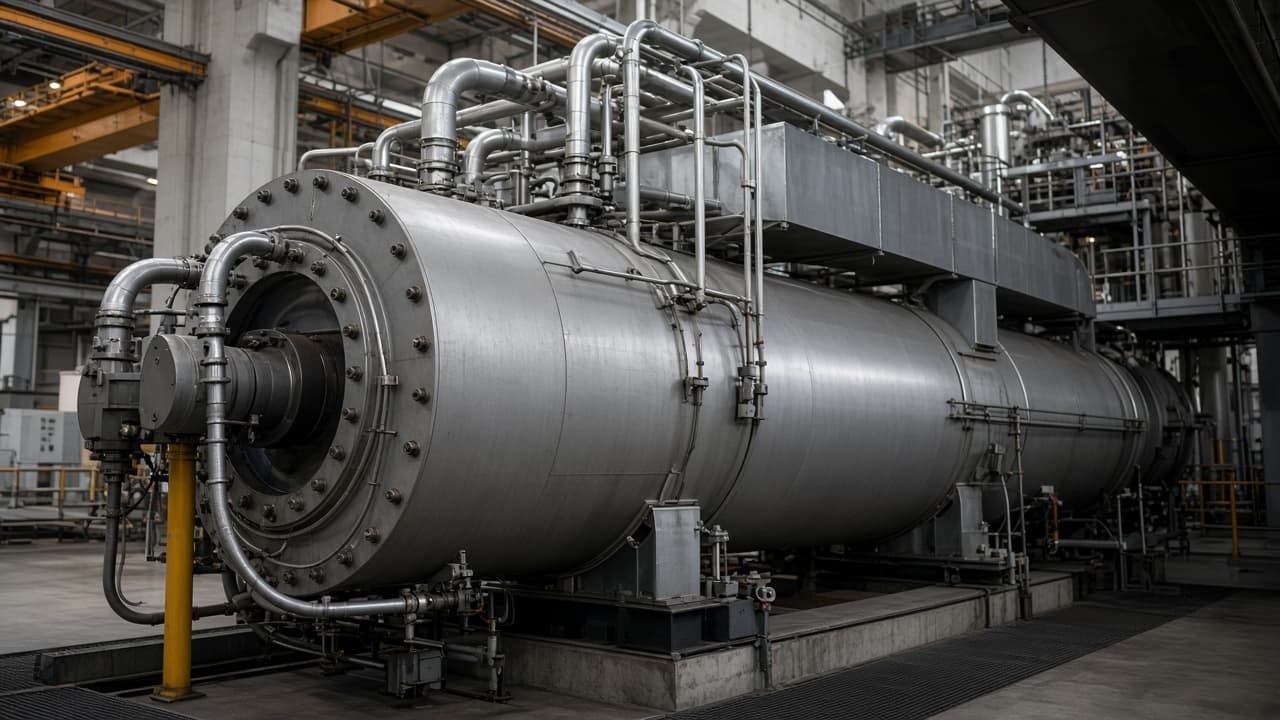
A hydrogen-cooled generator can look healthy on megawatts and stator temperature while the gas that carries heat away is quietly getting wetter, leaner, or mixed with air. Operators notice later as capability drops, differential temperatures climb, or a purity alarm that had been bypassed “during a purge” never came back.
This is generator hydrogen purity and seal-oil system honesty. It is not industrial BESS dispatch, not vacuum circuit-breaker timing, and not transformer OLTC oil work—adjacent power-plant crafts, different physics.
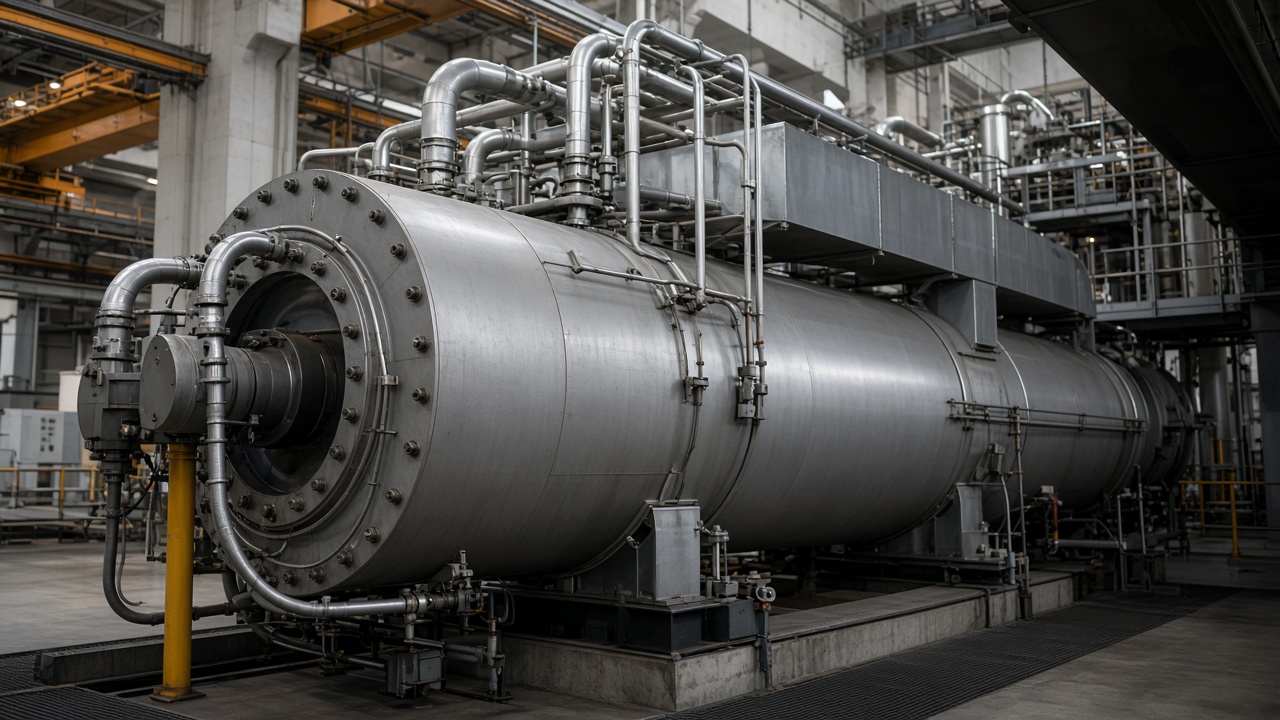
Hydrogen’s low density reduces windage. Contaminants raise density and cut cooling effectiveness. Moisture and air also move the mixture toward flammable ranges if purity management fails. Plants keep purity by scavenging, drying, and controlling in-leakage at shaft seals, coolers, and fittings. A purity analyzer that samples a dead leg, or a dryer bypass left open after maintenance, invents confidence the casing gas does not share.
Seal oil is the other half of the bargain
Shaft seals need a continuous oil film at the right pressure relative to casing hydrogen. Seal-oil skids that foam, run cold, or lose differential pressure let hydrogen escape or air enter. Vacuum tank level, oil temperature, and differential pressure belong on the same shift review as purity—not on a separate “lube oil” checklist that never talks to the gas system.
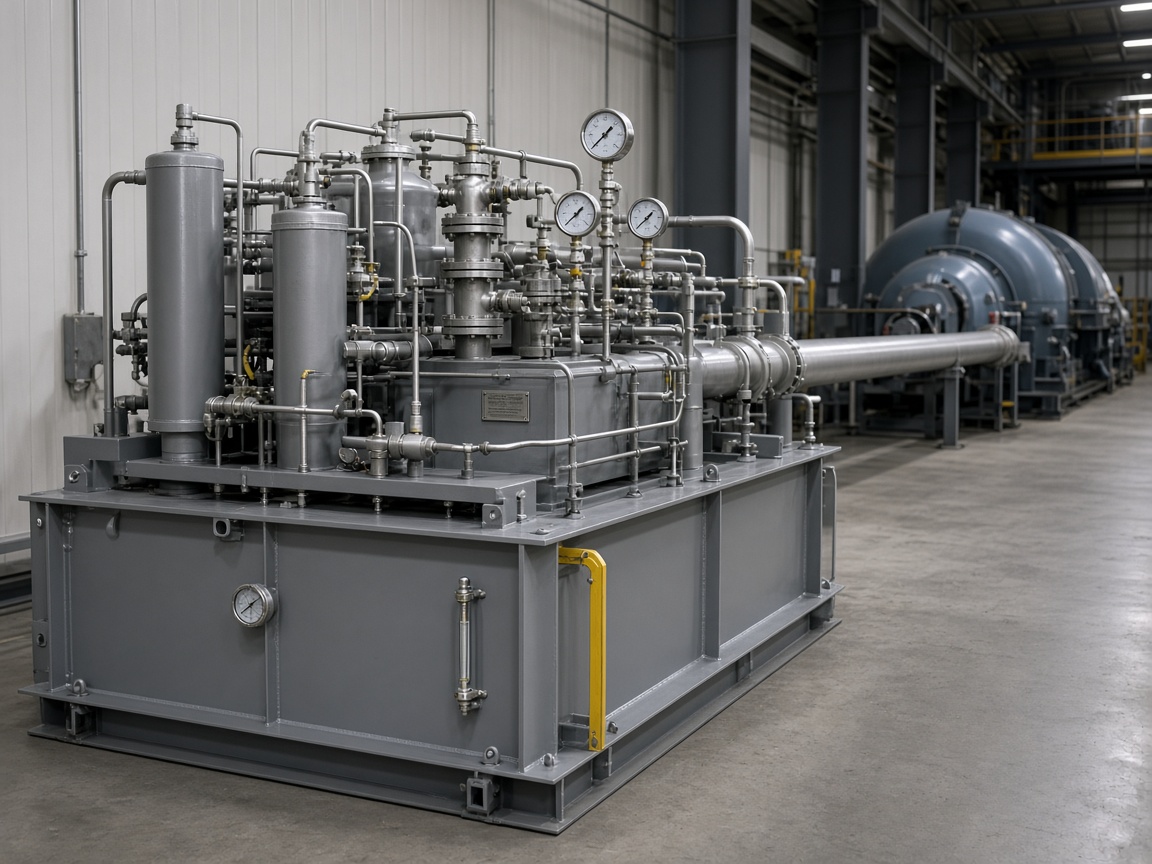
Practical discipline is boring and non-negotiable: trend purity and dew point against load; verify analyzer sample integrity after any purge; treat seal-oil DP and foam alarms as unit risk, not nuisance; document who may open dryer or purity-system bypasses. When capability fades without an obvious stator fault, ask what the hydrogen and the seal oil have been doing for the last week—not only what the AVR screen shows this hour.