
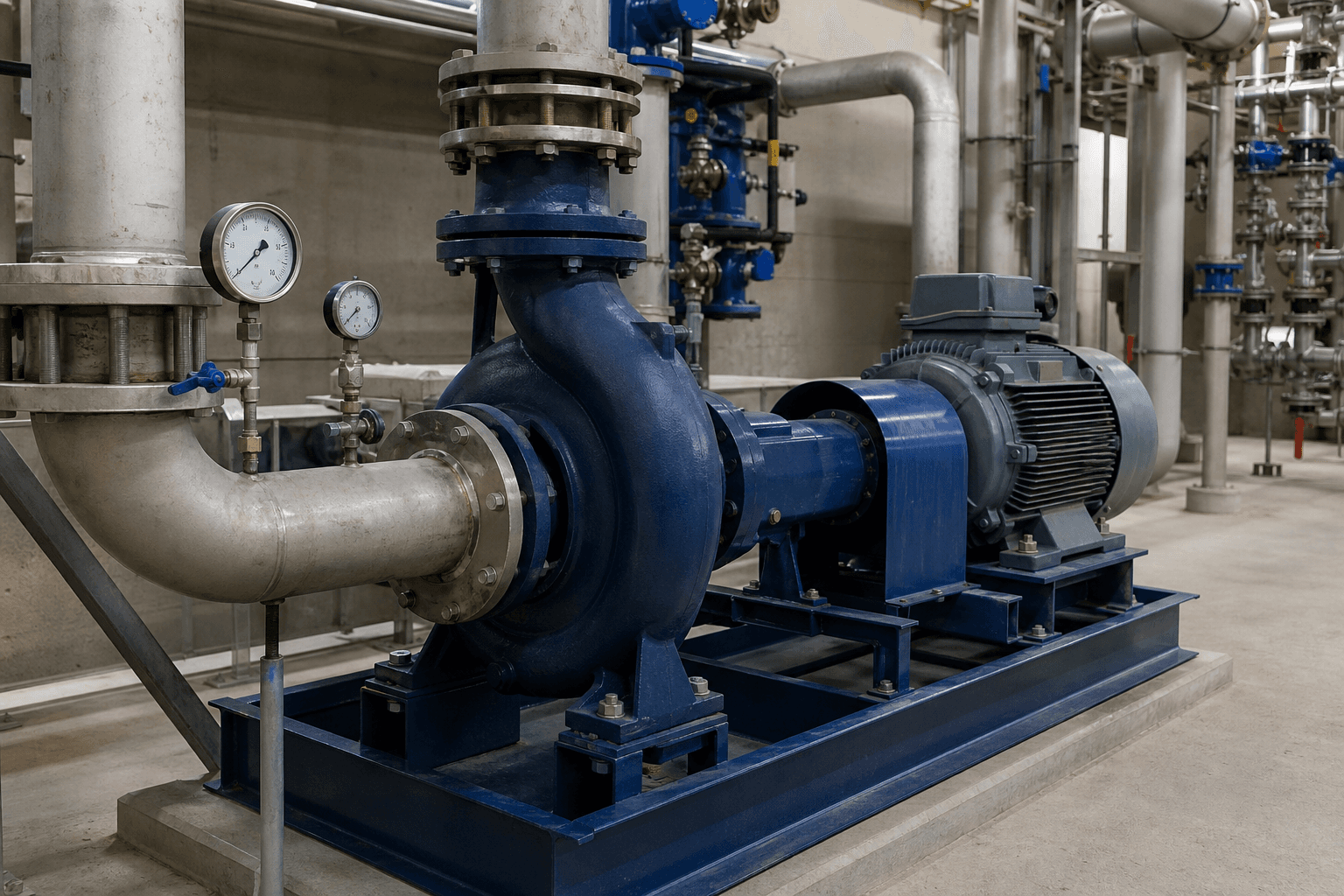
Checklist — quarterly cavitation honesty
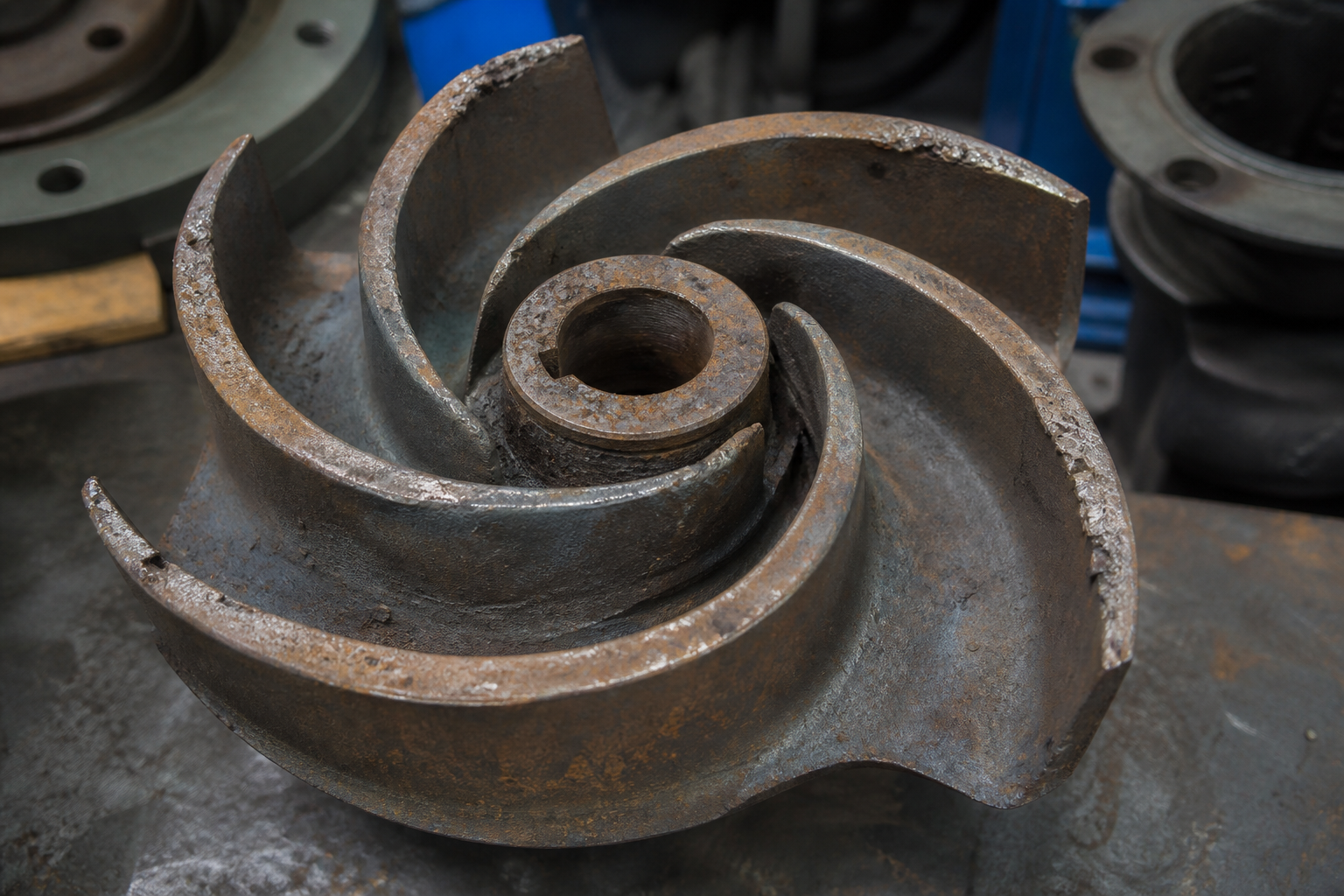
| Step | Reading | Fail action | |------|---------|-------------| | 1 | NPSHa vs. NPSHr at actual flow and temp | Reduce flow, raise suction, cool liquid—or stop | | 2 | Suction strainer ΔP trend | Clean before margin collapses | | 3 | Noise / vibration at BEP vs. off-BEP | Do not run chronically left of BEP to “save energy” | | 4 | Discharge pressure with stable suction | Rising noise + falling amps often = vapor | | 5 | Impeller tip photos at last overhaul | Pitting is evidence, not folklore | | 6 | Process temperature rise vs. design curve | Hotter liquid shrinks NPSHa without a valve change |
Process islands and utility loops own flow. Maintenance owns whether the suction line still supplies liquid, not vapor. Cavitation starts as micro-bubbles at the eye; it ends as eroded vanes and seals that “mysteriously” leak.
What plants get wrong
Closing a discharge valve to “quiet the pump” while starving suction. Ignoring strainer ΔP because flow still meets the board. Declaring victory when discharge pressure returns after a process cool-down without fixing suction geometry.
Log NPSH margin with temperature. When margin dips below the plant standard, schedule hydraulic review—not another impeller.
The panel shows discharge pressure. The impeller tips show whether that pressure was bought with metal.