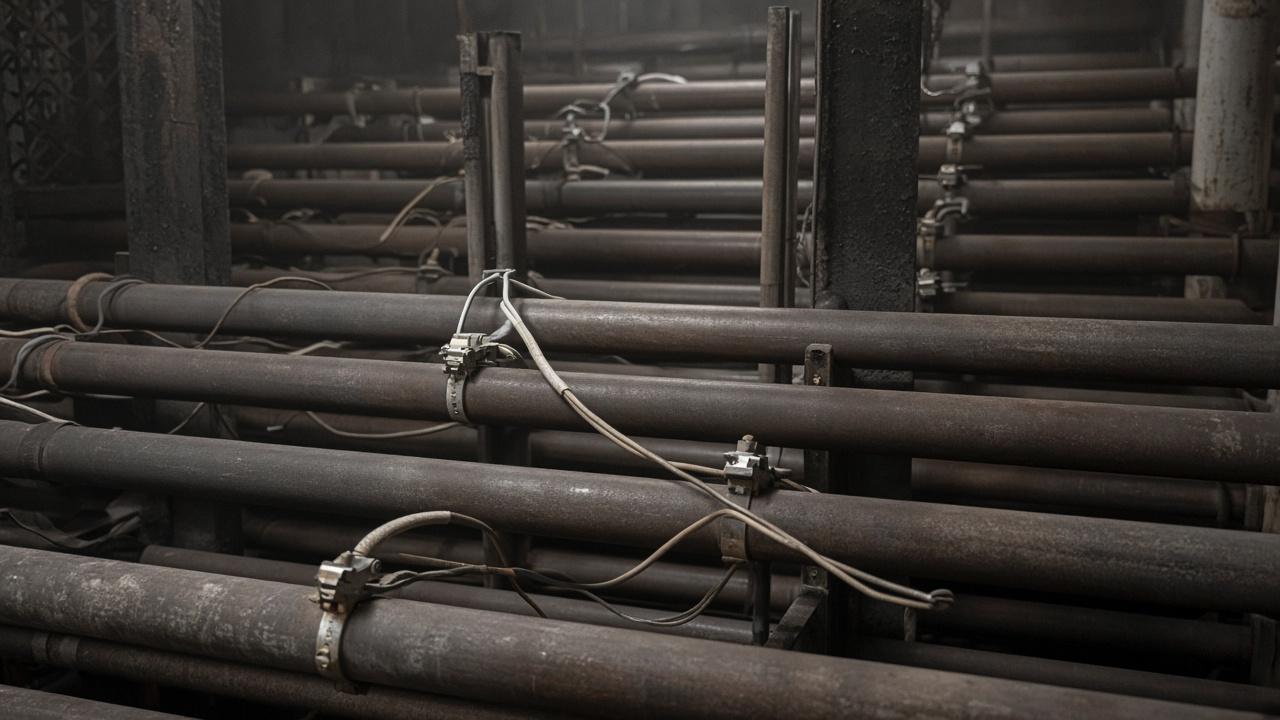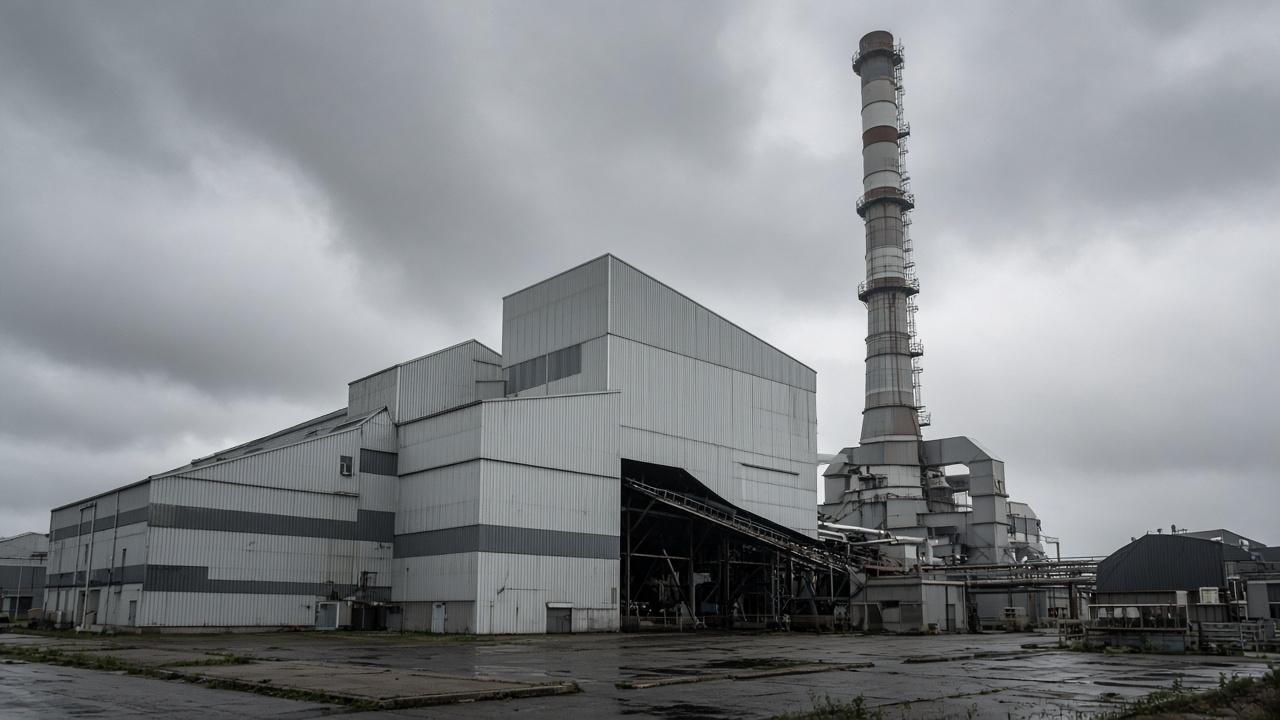
Yokogawa Engineering Asia received a S$4.2 million Energy Grid 3.0 grant for a Singapore electricity-grid pilot titled Distributed Inertia Provision from Conventional and Inverter Interfaced Assets. The award sits under the Energy Market Authority’s Future Grid Capabilities Roadmap and is administered by the Advanced Energy and Decarbonisation Office, hosted by A*STAR. Yokogawa leads the work at a 9.9 MW waste-to-energy plant operated by Rexus Bioenergy, with research partners at the National University of Singapore and the Singapore Institute of Technology.
The pilot asks whether an operating industrial site can support grid inertia services while continuing its primary process duty. At plant level the consortium plans to integrate BaxEnergy’s Convera Power Plant Controller—BaxEnergy is a Yokogawa company—with Yokogawa’s OpreX Collaborative Information Server. Convera is meant to coordinate energy resources in real time; the information server aggregates operating data into a single environment for decisions and future grid-service trials.
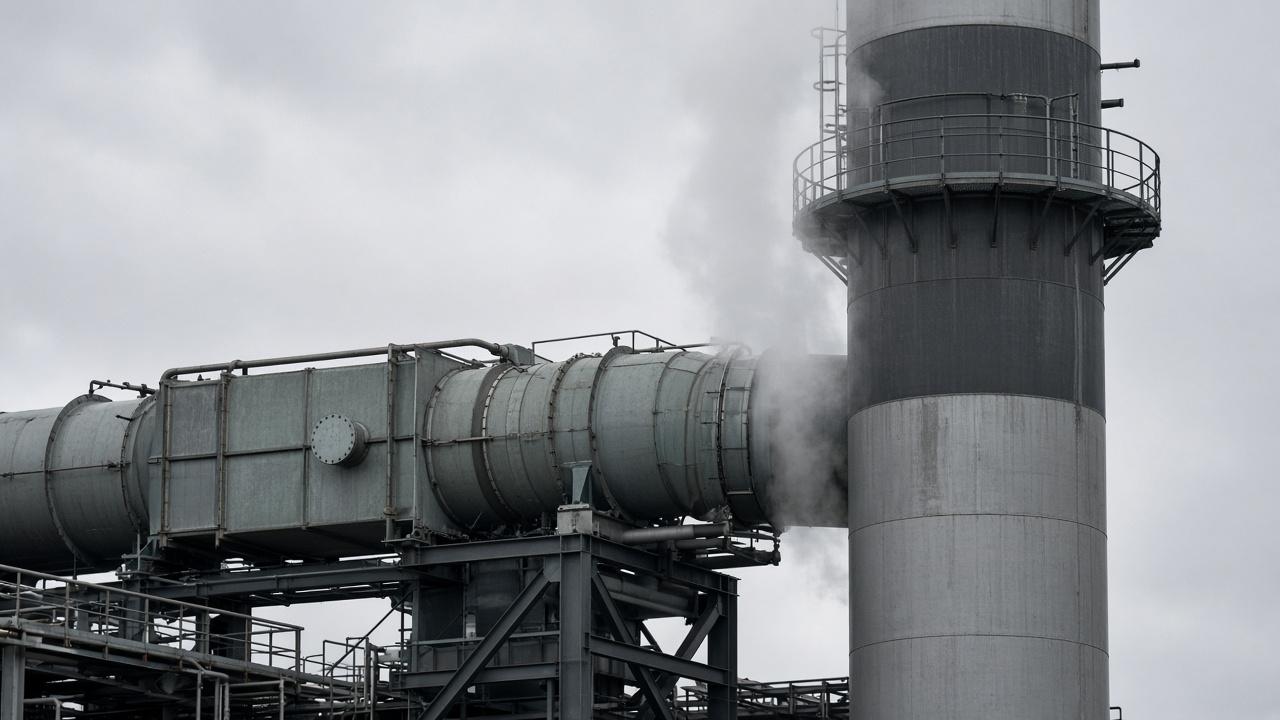
Inertia provision is a stability function, not a power-sale claim. The grant funds research and demonstration at one named site; it does not publish a cleared market product, a megawatt commitment for frequency response, or a go-live date for commercial grid services. Singapore’s power sector accounts for about 40 percent of national emissions in the reporting around the award—context for why the roadmap exists, not a measured outcome of this pilot. The concrete items are the grant size, the 9.9 MW host plant, and the Convera-plus-CI Server stack. Nothing in the award says the Rexus unit already sells inertia.