
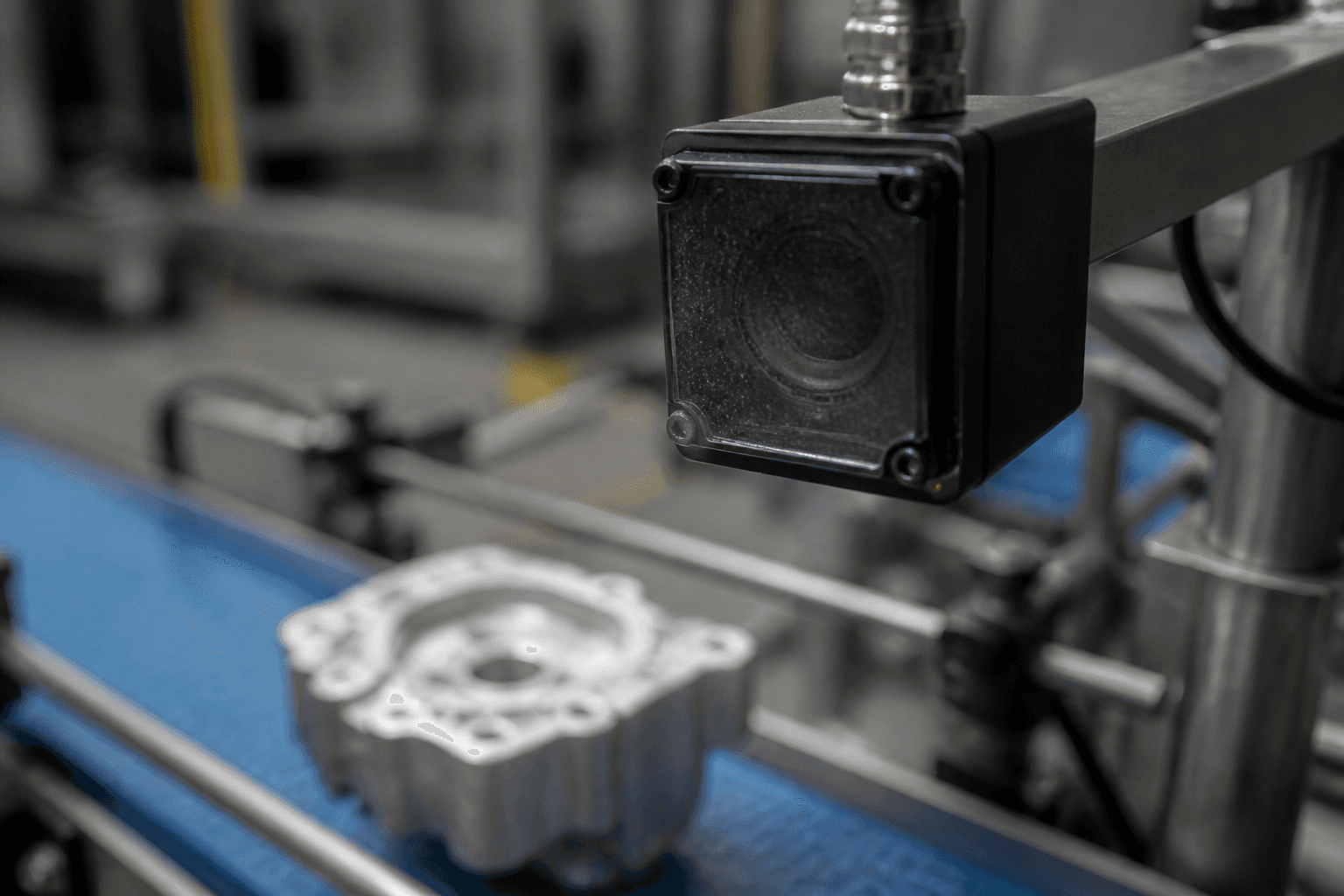
A false-reject spike on Monday morning is often not a new defect mode. It is a film on glass. Coolant haze, weld smoke, food-plant steam, or a cleaning wipe that left residue turns a calibrated optic into a soft low-pass filter. Contrast falls. Speckle rises. The threshold that was quiet on Friday sits on noise. Someone opens a dataset ticket.
This is not lamp aging and not a lighting-distance story. The light can be perfect. The lens is not.
What the optic actually does to the label
A thin oil film scatters short wavelengths first. Edges that the model used for scratch detection thicken. Dark-field defects wash out. OCR and print inspection lose stroke width. The network still outputs a class with confidence; the confidence is now a property of the contaminant, not of the part.
Condensation is worse because it is intermittent. A cell that "self-heals" after lunch when the bay warms is teaching operators that the model is moody. It is not. The glass is wet, then dry.
The check that belongs before any retrain
Lock exposure. Capture a flat-field or a matte grey target at a fixed pose. If mean intensity and high-frequency energy have moved outside the commissioning band, clean the optic—outer element, then protective window if fitted—with the solvent the lens manufacturer allows, not the floor-cleaner bottle from the next aisle.
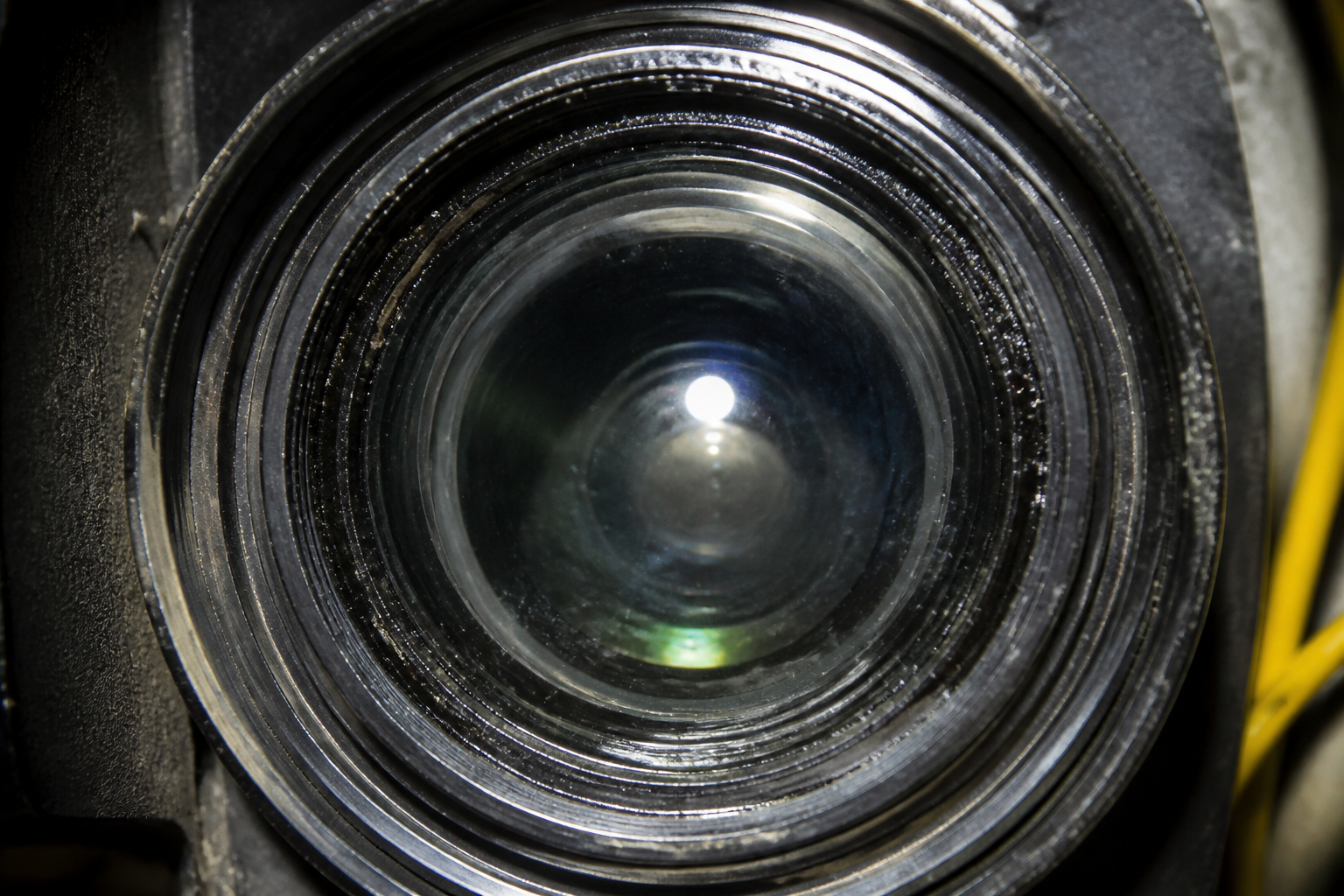
Photograph the lens before and after. Put both images in the work order. If the grey-card metrics return and production rejects fall, you have not discovered a new AI capability. You have discovered PM.
Protective windows exist so you can replace glass without touching the camera. Treat them as consumables with a change interval in oily or dusty bays. A sealed enclosure with a clogged air purge is a condensation machine.
Do not bake dirt into the weights
Collecting rejects under a fogged lens and calling them hard negatives is how models learn to ignore real defects once the lens is clean. Freeze training until the optic metrics match commissioning. Then decide whether the process actually changed.
The short rule: if you would not accept a metrology gauge with oil on the anvil, do not accept a vision system with oil on the glass. Clean first. Retrain last.