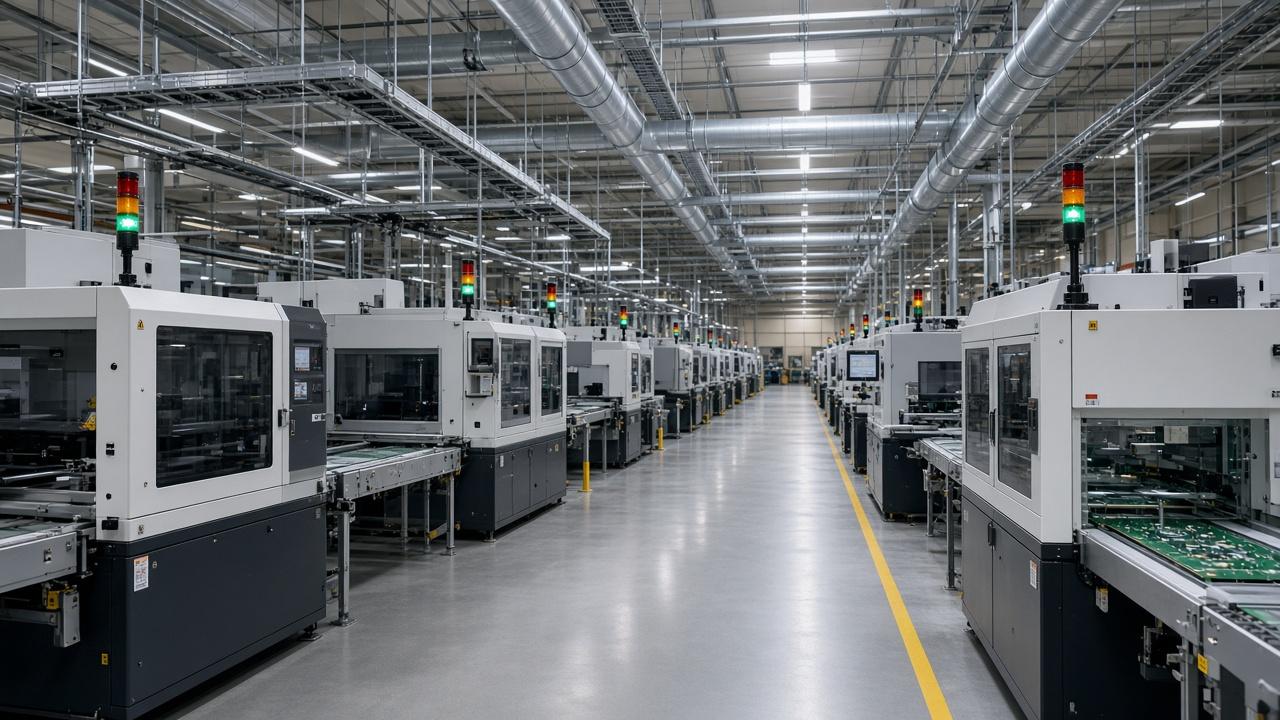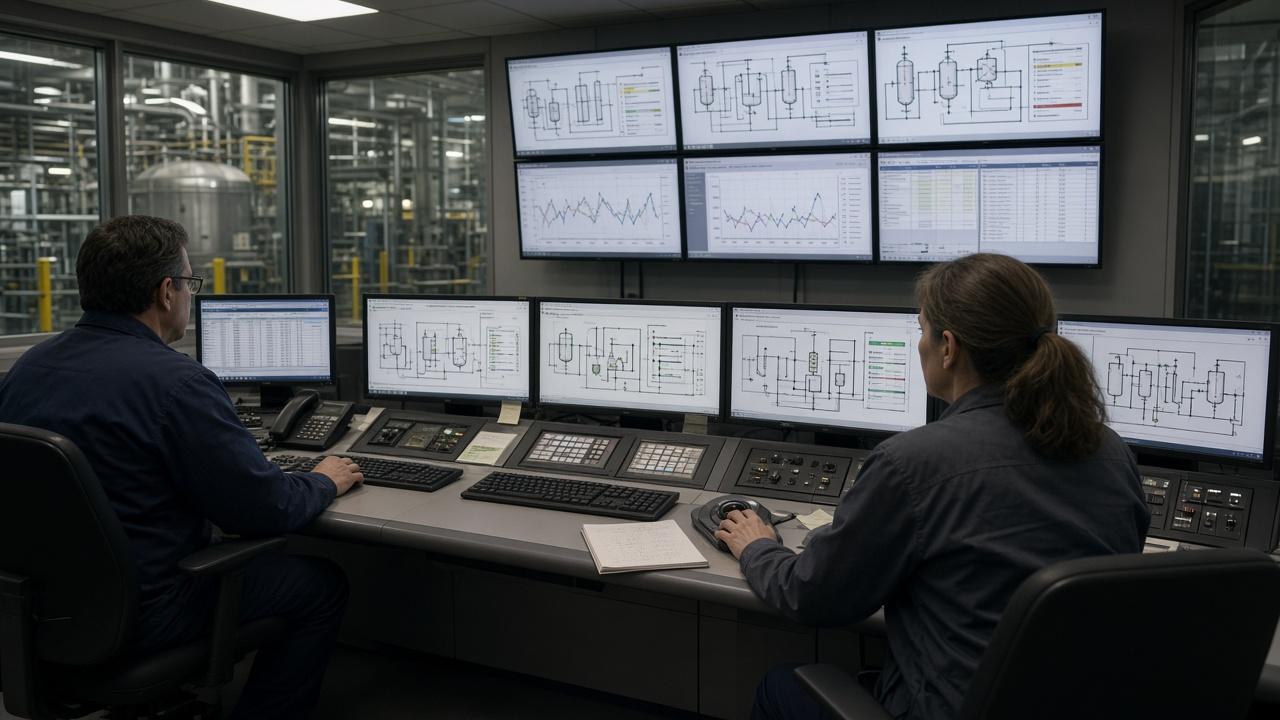
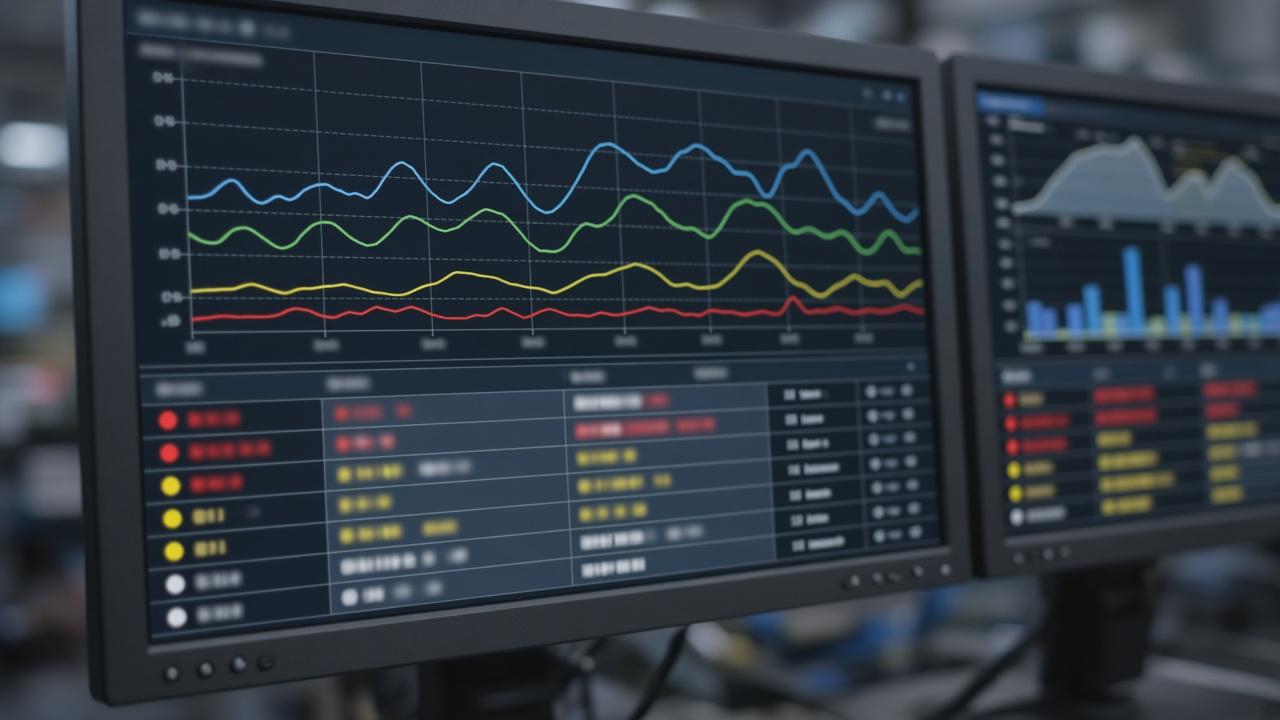
ABB launched ABB Ability Augmented Operator at ADIPEC 2026 in Abu Dhabi on 2 November. The AI-enabled suite is built for control-room teams in chemicals, oil and gas, power, water, and related process industries. It is meant to sit inside existing daily control-system workflows: detect subtle multi-variable process shifts, search years of that facility’s own operating history for similar past responses, forecast critical variables, and simulate an outcome before an operator commits a change. ABB says the software explains its reasoning from past data and keeps decision-making with humans.
Gino Hernandez, head of global digital business for ABB’s Energy Industries division, framed trust and explanation as design requirements, calling the offering a step toward more autonomous operations while keeping people in the loop. ABB also cites skills pressure—centralized rooms, thinner crews, denser data—and points to International Energy Agency commentary on energy-sector workforce imbalance that the company quotes in the release. Claimed operational effects include earlier response, fewer unplanned stops and off-spec batches, and tighter shift-to-shift consistency; those remain product goals, not named-site results in the announcement.
Advisory software does not close a valve by itself, does not replace alarm philosophy or SIS logic, and does not validate itself against every rare upset. History-based suggestions are only as good as the historian and the tags that fed it. Treat Augmented Operator as a launch of explained decision support for process control rooms—not a certified autonomous plant.