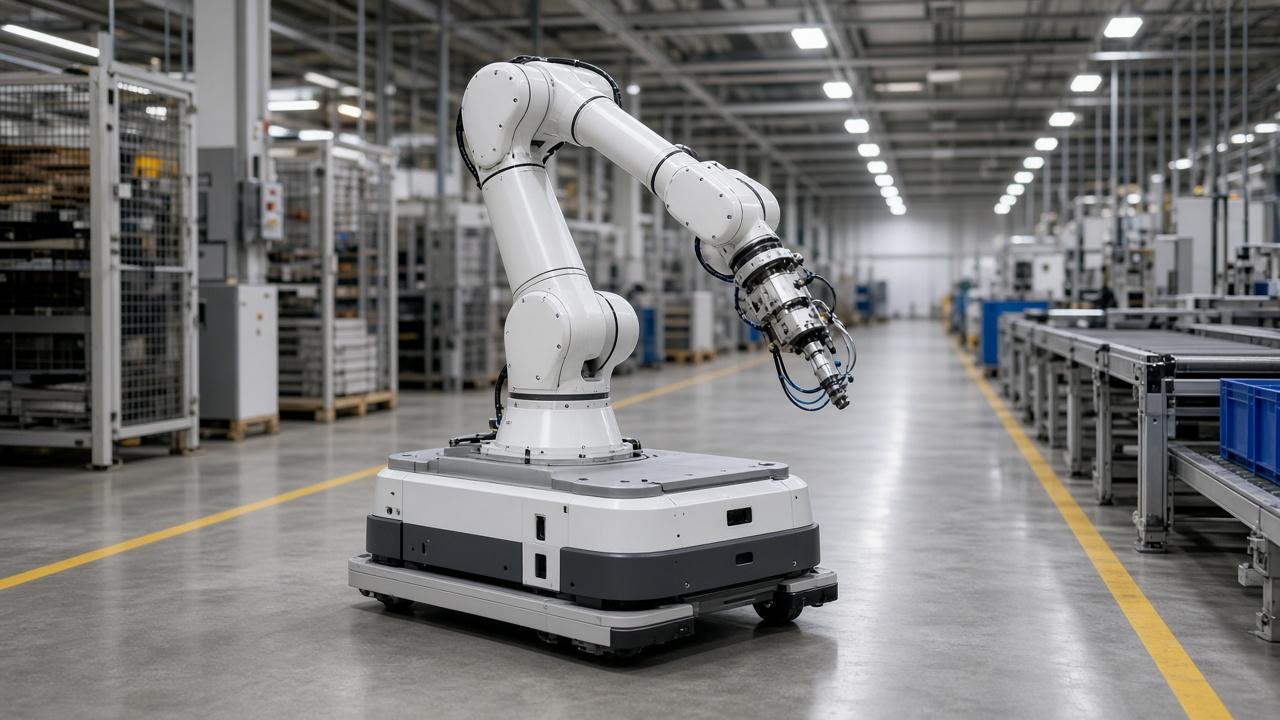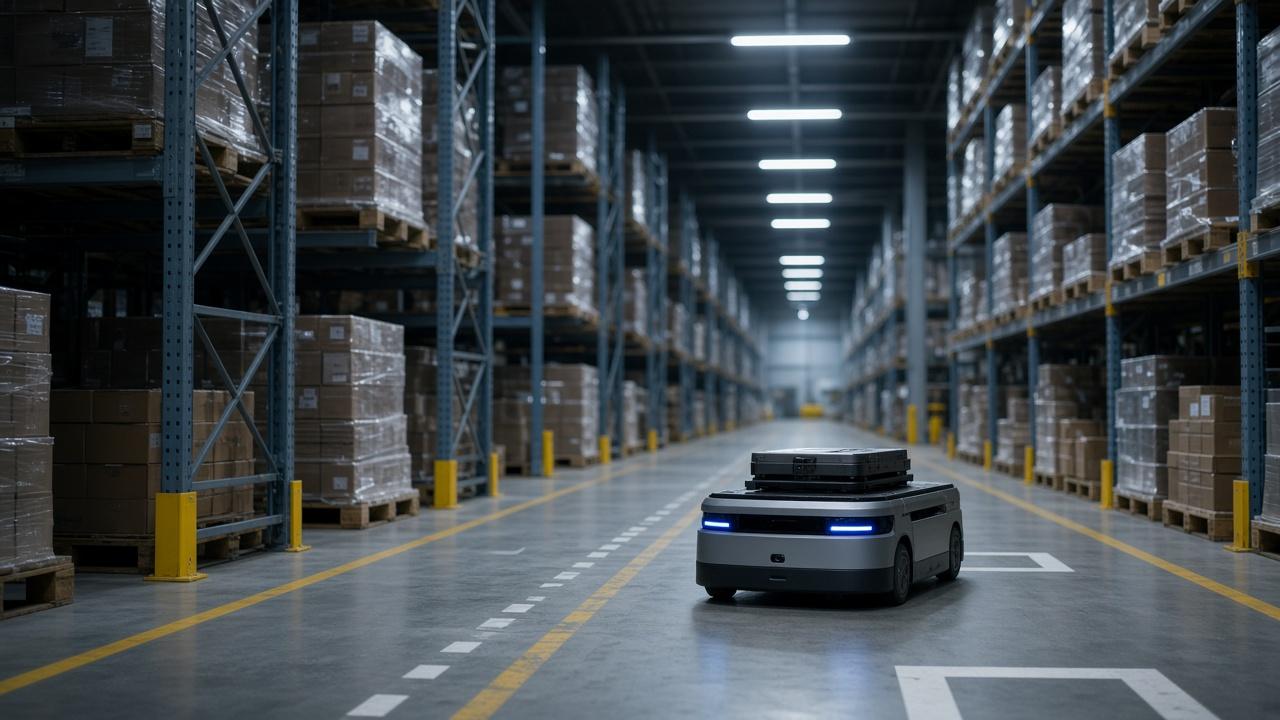
TÜV SÜD and Accenture are collaborating on a Physical AI Safety Suite that uses digital twins, AI agents, and simulation—built on NVIDIA Omniverse, Cosmos, and Isaac Sim—to speed independent certification of industrial automation such as autonomous mobile robots working beside people. The concept was presented at NVIDIA GTC Berlin in October 2026. The target standard called out in the materials is ISO 3691-4 for driverless industrial trucks and systems, including AMRs, which is mandatory before commissioning in many industrial countries.
The suite is described in three layers: layout simulation for routes, clearances, and mixed human-robot zones with a structured evidence package for TÜV SÜD review; fleet behavior simulation for hazards such as workers trapped by AMRs, with later operational hooks to NVIDIA Halos and facility cameras; and individual-robot testing under site-specific load, speed, floor, and lighting conditions before a physical prototype exists. TÜV SÜD retains independent assessment and certification responsibility. The company estimates the digital process could bring production online up to 30 percent sooner by cutting physical dependencies and late rework. Patrick Vollmer has stressed that on-site inspection remains essential for real sensors, tolerances, installation, and human-machine interaction.
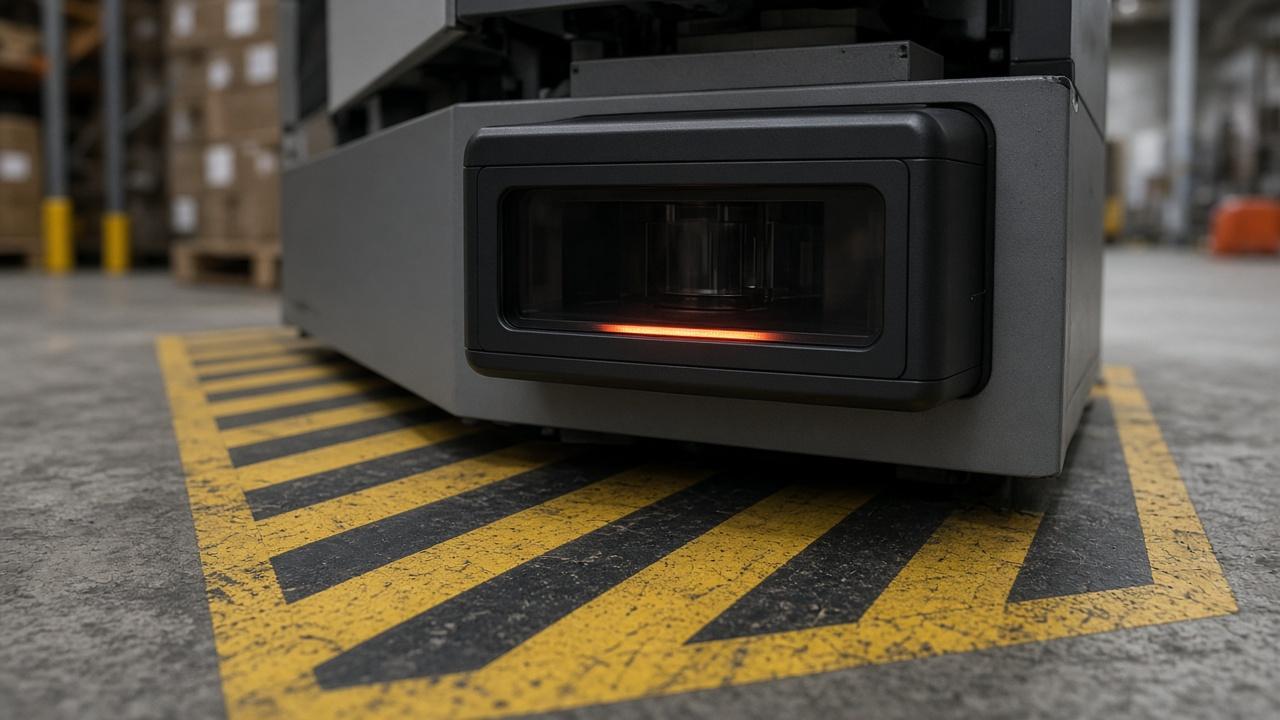
Simulation can front-load hazard finding and evidence packaging. It does not replace ISO 3691-4, does not by itself issue a certificate, and does not make the 30 percent figure a measured result at a named plant. Complementary rules for how simulation evidence is created and assessed are still an open standards conversation. Read the announcement as a certification-workflow concept for AMR fleets—not a claim that every warehouse can skip physical safety validation.