
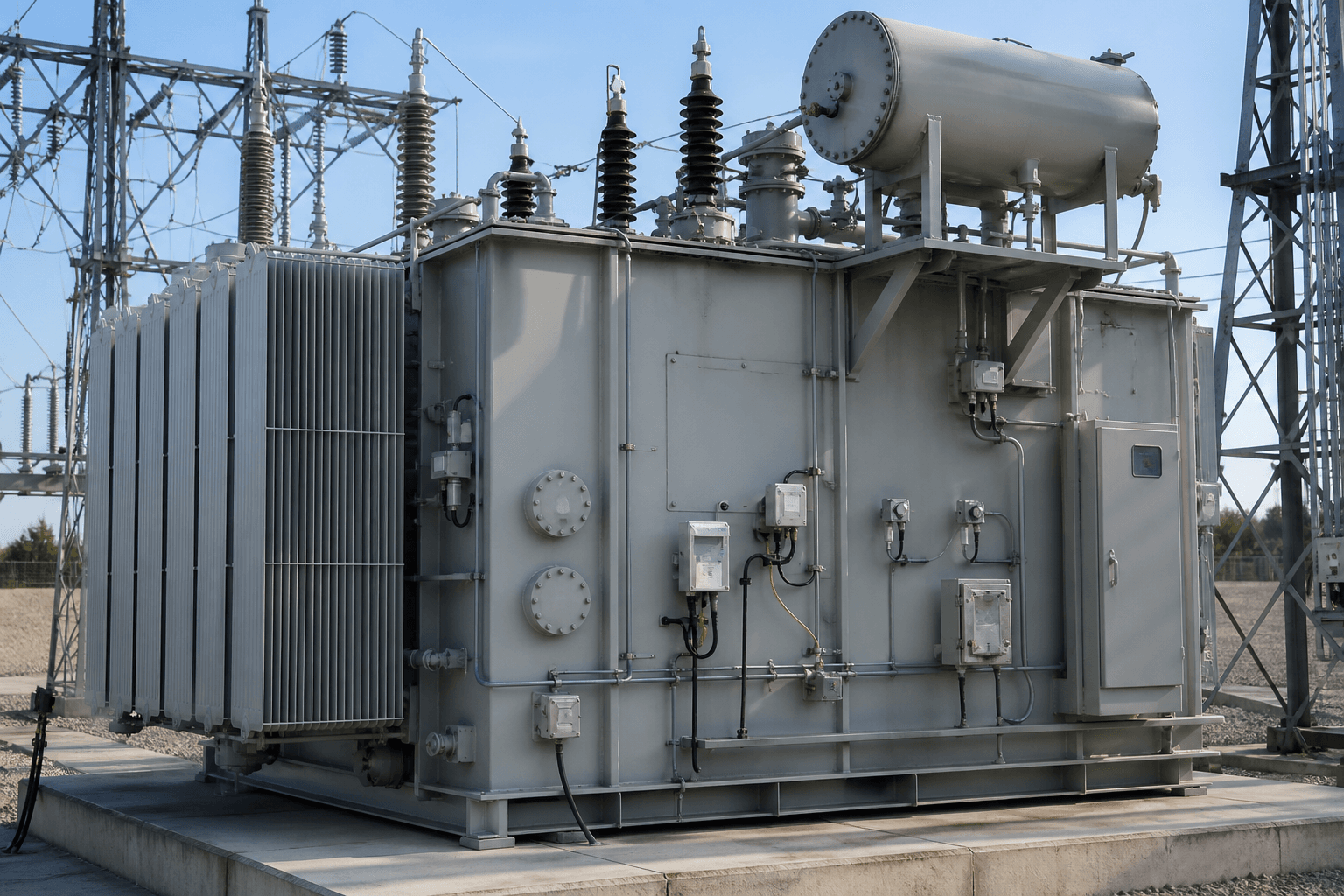
Dissolved-gas analysis remains the workhorse language of oil-filled transformers. Lab and online DGA catch thermal and electrical fault chemistry as gases diffuse into oil. They do not catch every discharge that grows from controllable to catastrophic inside a few milliseconds. That gap is why utilities and large industrial substations are pairing DGA with continuous partial-discharge sensing—UHF, ultrasonic, and high-frequency electrical channels—and, in some programs, with active trip logic that treats rising PD as a protection input rather than a maintenance curiosity.
The industrial stake is simple: a main transformer is often the single piece of iron that turns a finished plant into a waiting room. Lead-time briefs already cover how long replacements take. This brief covers how you keep the unit you already have from becoming a fire report.
Two clocks, one tank
| Method | What it sees well | What it misses | | --- | --- | --- | | DGA (lab / online) | Fault chemistry trends, thermal vs electrical fingerprints | Millisecond-scale discharges before gas inventory rises | | Online PD (UHF / acoustic / HF) | Live discharge activity and growth rate | Slow oil chemistry without PD signature |
Neither replaces the other. DGA still owns long-horizon trending under IEC 60599 / IEEE C57.104 practice. Online PD owns the seconds that gas diffusion cannot invent.
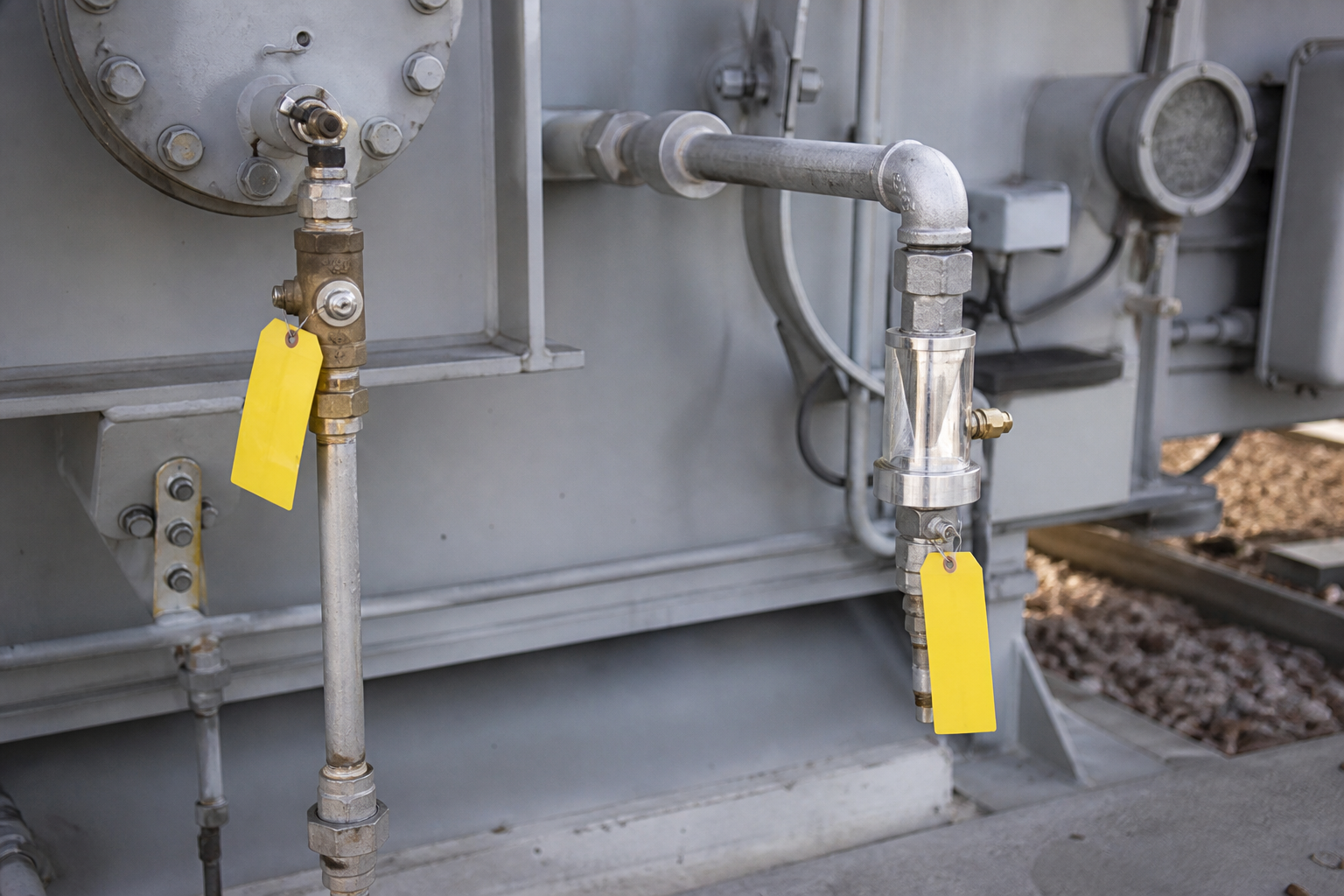
Chemistry still matters. It is not fast enough alone.
What “active guard” actually requires
Sensing without interference rejection is theater. Substations are full of switching noise, corona, and mobile radio. Programs that publish field results emphasize multi-sensor correlation—electrical and acoustic agreeing on severity, continuity, and growth—before a trip or severe alarm is allowed. False trips on a critical transformer are not a free lesson; they are a plant outage with a new narrative.
Practical plant rules:
- Map every sensor location on the tank drawing under change control.
- Commission with known interference campaigns; document what was rejected.
- Separate advisory alarms from trip-capable paths with independent review.
- Keep DGA cadence; treat PD as the fast channel, not the only channel.
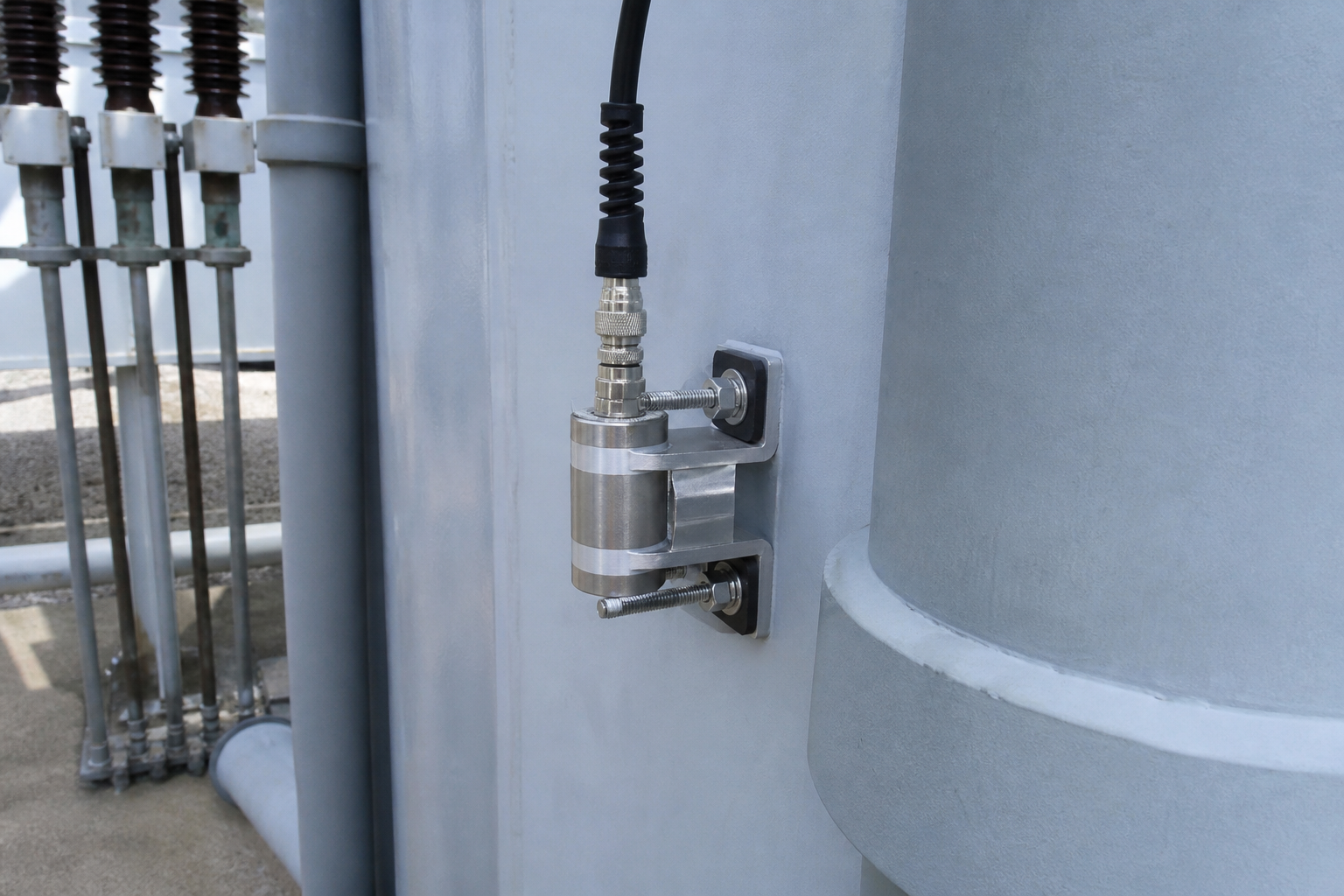
Hardware on steel is easy. Credibility under interference is the project.
What this is not
Grid transformer queue essays own CapEx calendars. SF₆-free switchgear memos own insulation-gas transitions. Relay trip decodes own breaker evidence after the fact. This page owns live discharge defense on oil-filled power transformers. Do not buy a dashboard and skip the trip policy.