
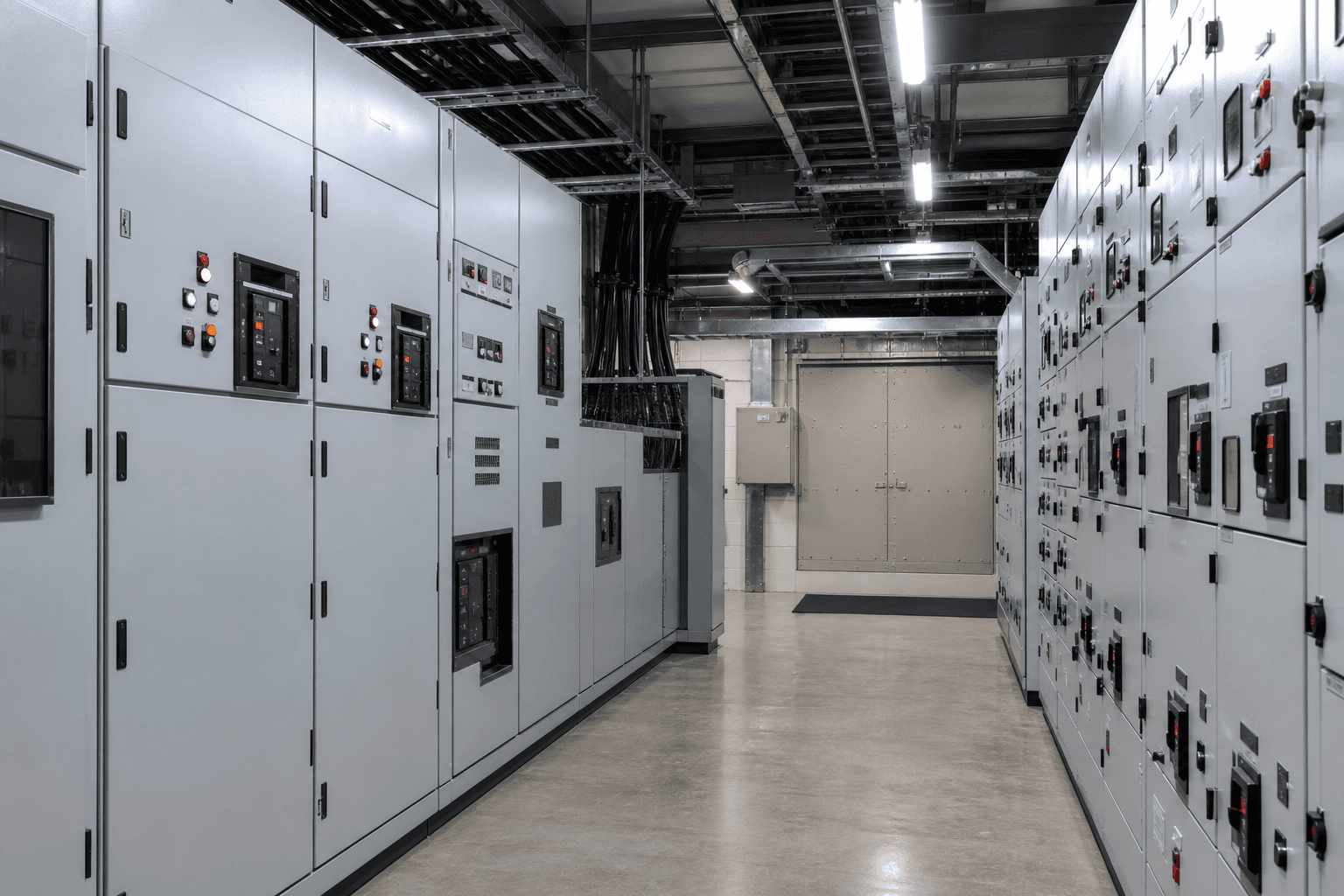
To: Plant leadership / electrical CapEx committee
From: Industrial energy editorial desk (independent analysis)
Re: SF₆-free medium-voltage switchgear retrofit — how to decide without brochure theater
Date: 27 July 2026
Recommendation (one paragraph)
Approve SF₆-free MV switchgear projects only when three conditions are met in writing: (1) a dated outage window that matches real production calendars, (2) a protection-coordination study that survives the new gear’s clearing times, and (3) a named owner for gas-handling / vacuum / clean-air technology training and spare strategy. Reject projects whose business case is “GWP slide + vendor promise” without those three.
Why this is on the agenda now
EU F-gas pressure and corporate Scope 1 narratives are pushing SF₆ out of MV rooms. That pressure is real. The failure mode is also real: plants buy alternative-technology gear, discover the footprint or bus ties do not fit, compress a weekend outage into a fantasy, and reopen SF₆ breakers “temporarily” for eighteen months.
This memo is a decision architecture. It is not a product endorsement.
Decision gate A — Inventory honesty
Before CapEx language, inventory every SF₆ volume on the plot: breakers, GIS, instrument transformers if relevant, and cylinders. Rank by leak history and outage criticality—not by which vendor visited last.
| Asset class | Ask | Kill criterion | | --- | --- | --- | | Indoor MV breakers | Leak rate + spare pole availability | No outage path in 24 months | | GIS rooms | Footprint for alternative tech | Civil rebuild unfunded | | Mobile / temporary gear | Who owns SF₆ handling certs | No trained crew |
Decision gate B — Technology fit (without religion)
Vacuum, clean-air, and other SF₆-free families each trade footprint, interrupting rating, temperature, and maintenance culture. The committee question is not “which brochure is greener.” It is: which technology matches our fault levels, our room, and our crafts’ competence.
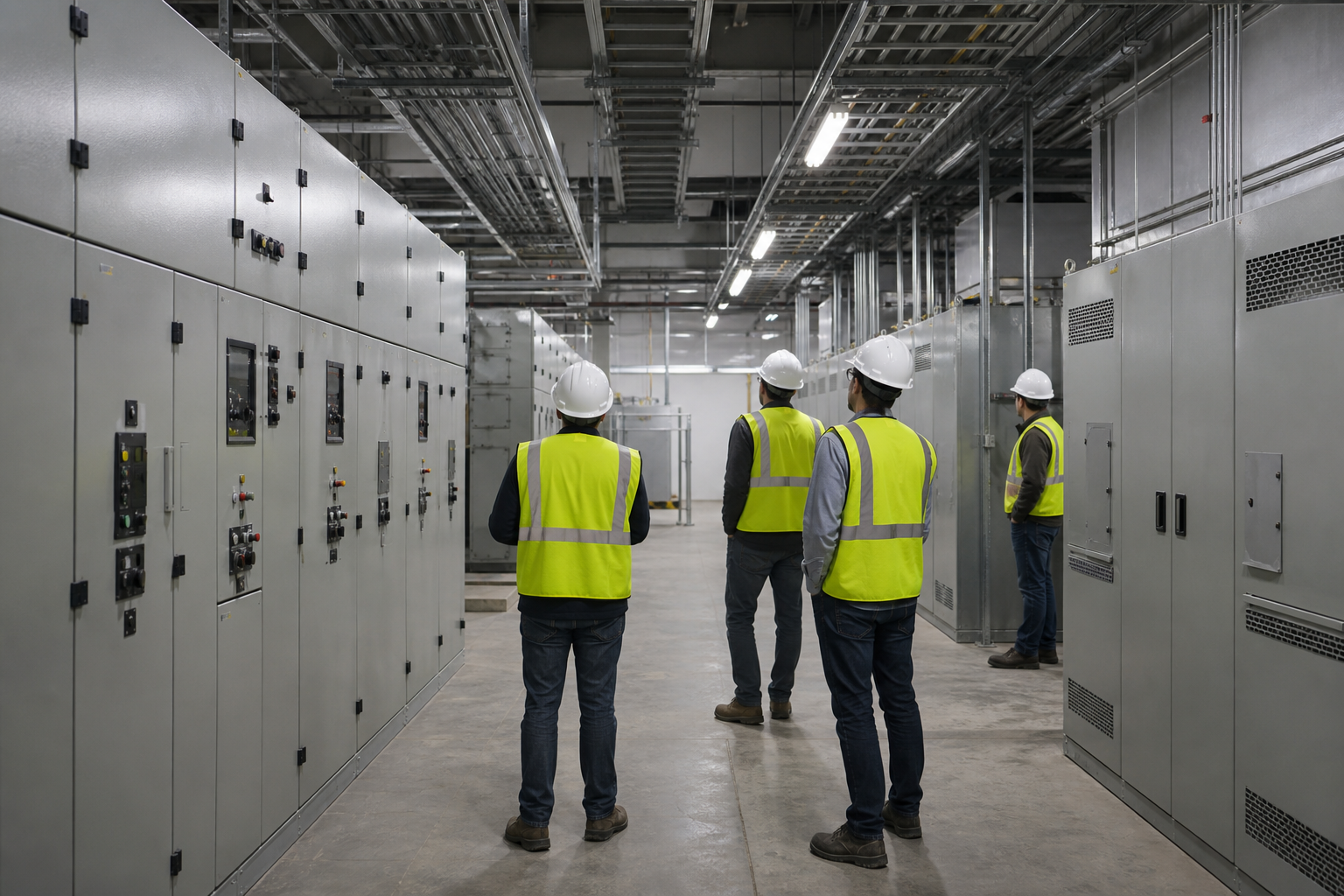
GWP charts do not move bus ducts.
Decision gate C — Protection and studies
New gear changes clearing times, CT burden reality, and sometimes bus configurations. A retrofit without an updated coordination / arc-flash package is a future trip and a future lawsuit wearing a sustainability badge.
Required attachments to any approval packet:
- Updated single-line with clear revision
- Coordination study summary (what changed, what did not)
- Arc-flash label update plan
- Temporary power / backfeed plan for the outage
Decision gate D — Outage realism
Ask operations for the last three times this bus could have been cleared. If the answer is “never,” you do not have a retrofit project—you have a slogan. Pair SF₆-free cutovers with already-funded turnarounds or forced outages; do not invent green weekends.
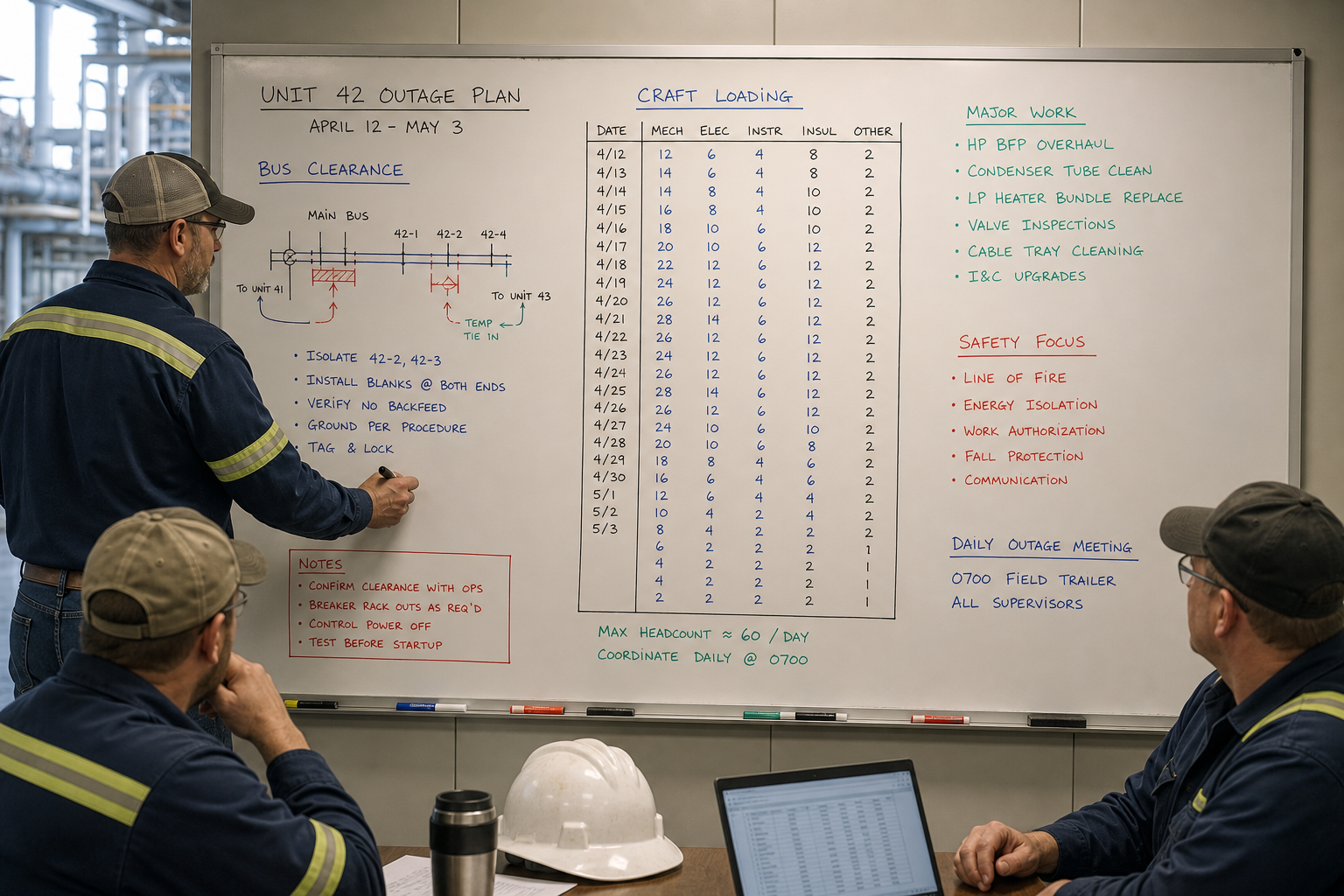
Sustainability CapEx still needs a blackout window.
Decision gate E — Spares and competence
SF₆ handling had a known (if imperfect) skill market. Alternative technologies need vacuum bottle practices, clean-air procedures, or OEM-specific tooling. If training and spares are “phase 2,” phase 1 will run on temporary SF₆ gear after the first failure.
What this memo is not
- Not a transformer procurement queue analysis (different bottleneck).
- Not a microgrid islanding architecture brief.
- Not a regenerative multi-axis drive energy recovery story.
- Not a corporate net-zero narrative template.
Suggested committee vote language
“We approve Option __ for Bus __ contingent on outage window __, coordination revision __, and spare/training package __ owned by __.”
Anything softer is permission to reopen SF₆ later while the press release stays online.
Closing
SF₆-free MV gear is industrial engineering under regulatory time pressure. Treat it as outage-bound CapEx with protection honesty—or keep the LEDs green on a GWP slide while the breakers stay full of the gas you claimed to retire.