
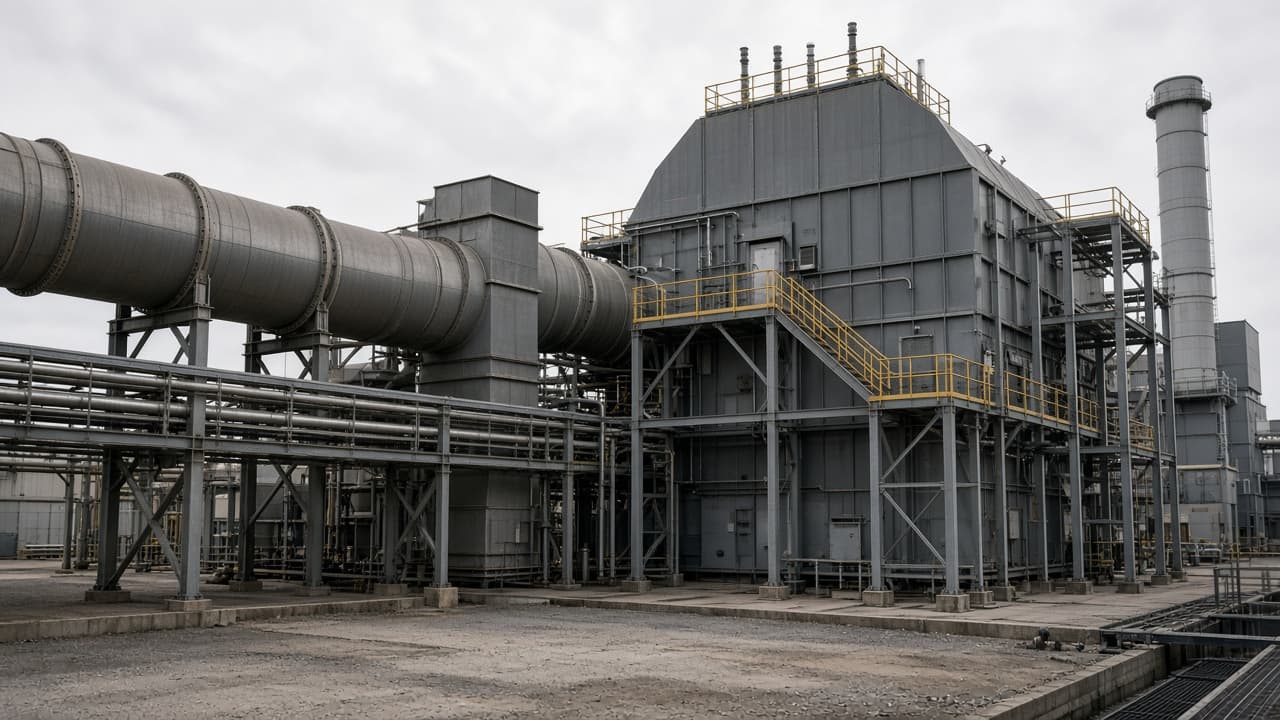
Industrial boilers, gas turbines, and some process heaters use selective catalytic reduction (SCR) to cut nitrogen oxides: ammonia or urea reagent mixes with flue gas ahead of a catalyst bed that converts NOx to nitrogen and water. Permits care about stack NOx. Neighbors and continuous emission monitors also care about ammonia slip. Both numbers move when the catalyst ages—or when the reagent and temperature story is wrong.
Active harmonic filters and soft starters own electrical power quality. Cooling-tower chemistry owns heat-rejection water. This brief owns SCR catalyst and reagent honesty on industrial exhaust trains.
The operating envelope
Catalysts have a temperature window. Too cold and conversion collapses; too hot and sintering or unwanted reactions accelerate. Inlet NOx, oxygen, and sulfur species matter. Reagent quality (concentration, contamination) and distribution across the duct decide whether the face of the bed sees a uniform mixture or rich/lean streaks that burn local capacity.
What aging looks like
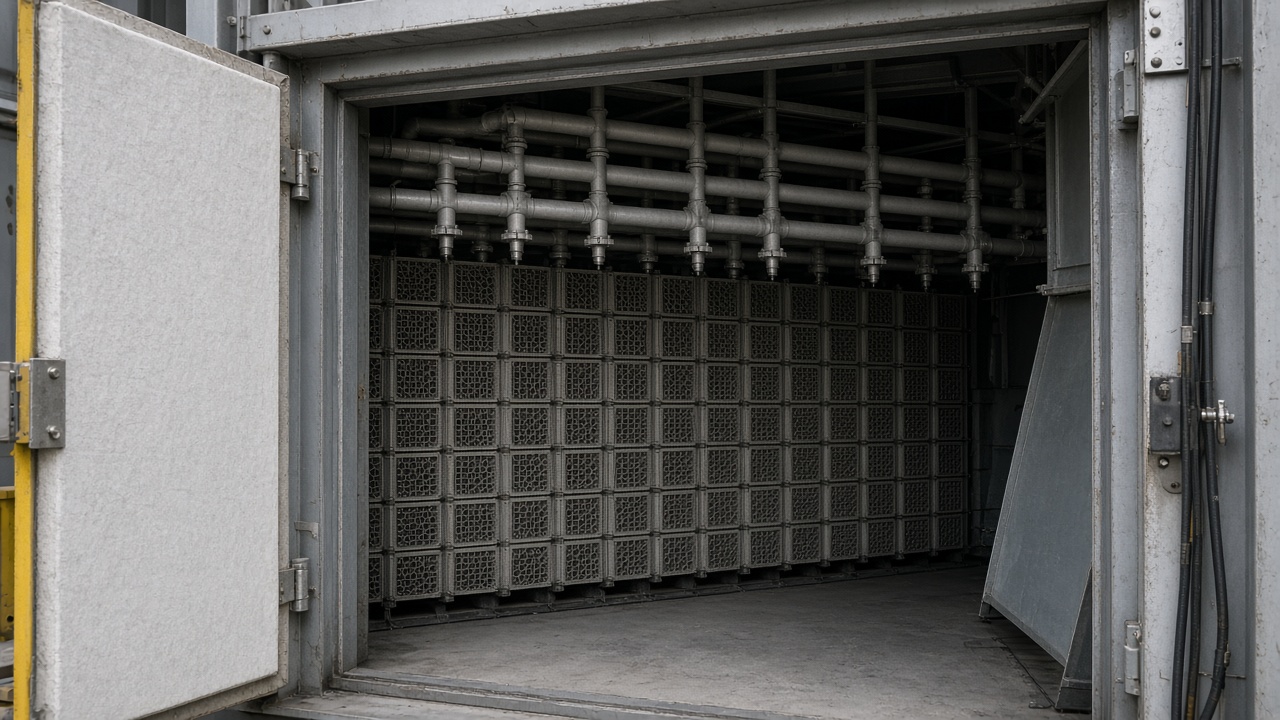
Deactivation shows up as rising reagent demand for the same NOx target, higher slip at constant injection, or both. Fouling—soot, ash, ammonium bisulfate—blocks channels. Mechanical damage from thermal shock or poor soot-blowing can open bypass paths. A “new catalyst” certificate from install day does not speak for a bed that has seen two winters of low-load operation.
Controls worth logging
Trend: inlet/outlet NOx, slip (or a surrogate), reagent flow, catalyst differential pressure, and temperatures across the bed. After outages that cool the duct, verify injection and heater (if fitted) before blaming the catalyst. MoC for fuel sulfur, load profile, and reagent vendor belongs next to the catalyst serial.
SCR is chemistry on a substrate with a permit attached. Keep the envelope and the bed honest, or the CEMS will write the story for you.