
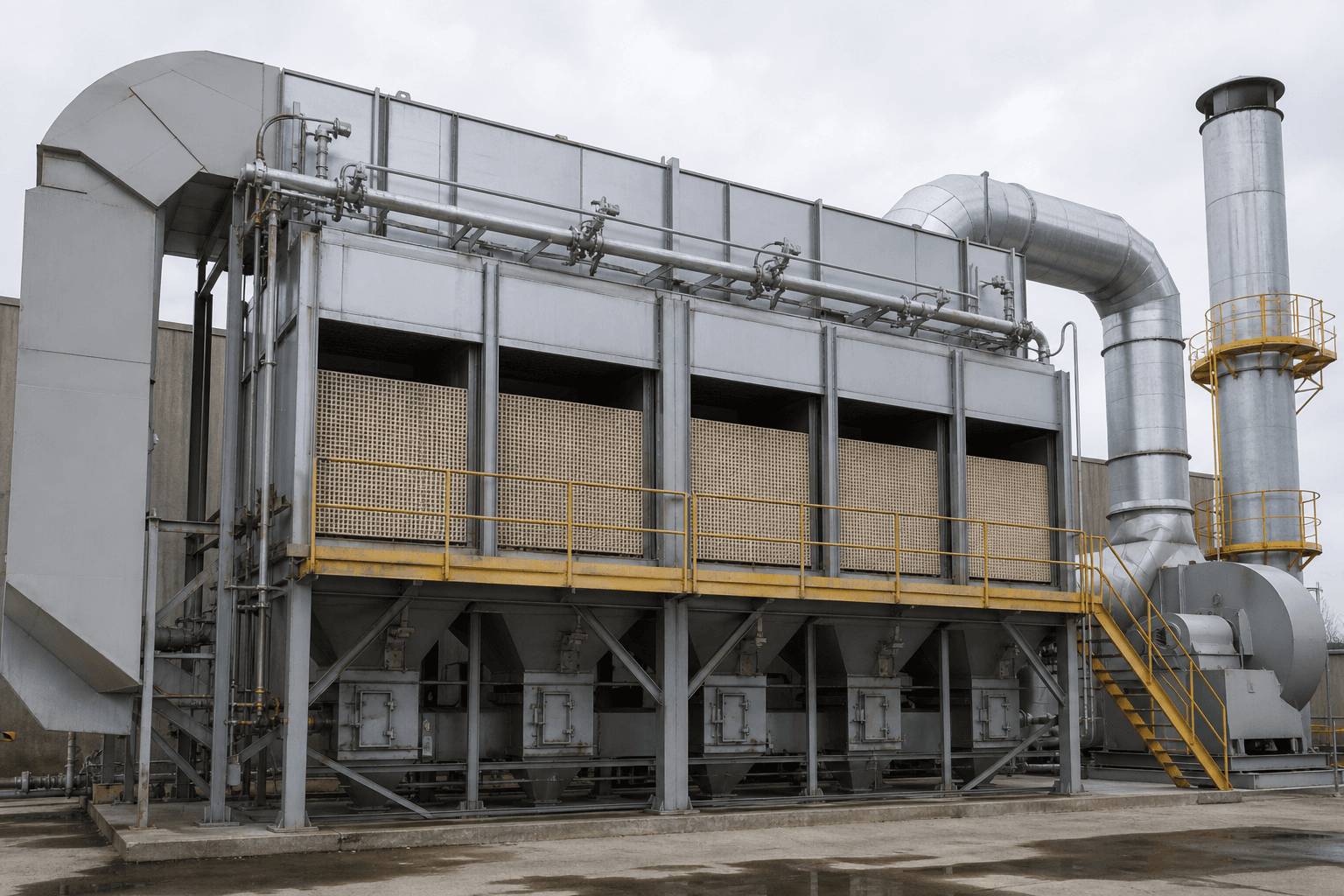
Environmental permits talk destruction efficiency. Finance talks natural-gas invoices. Operations talks booth schedule. The machine that has to satisfy all three is a regenerative thermal oxidizer: ceramic beds, valves that switch, a burner that should mostly idle when the beds are healthy, and ductwork that either delivers a controllable LEL or delivers surprises.
This brief sizes the RTO as a thermal plant. It is not a cooling-tower water program, not an industrial CHP coincidence-of-heat story, and not a robotic spray-coating cell teardown.
Energy balance in one page
| Stream | What it does | What goes wrong | | --- | --- | --- | | Process exhaust (VOC + air) | Feed to oxidize | LEL spikes, solvent campaigns | | Ceramic beds | Recover heat between cycles | Channeling, fouling, cold spots | | Burner / fuel | Hold chamber temperature | Runs rich when recovery collapses | | Stack | Prove destruction to the permit | Analyzer drift, sampling lies | | Bypass / diversion | Protect during upsets | Becomes a quiet permanent path |
If your steering deck only shows “RTO online,” you are managing a lamp. If it shows specific fuel per solvent kg, bed ΔT maps, and LEL histograms by booth campaign, you are managing a plant.
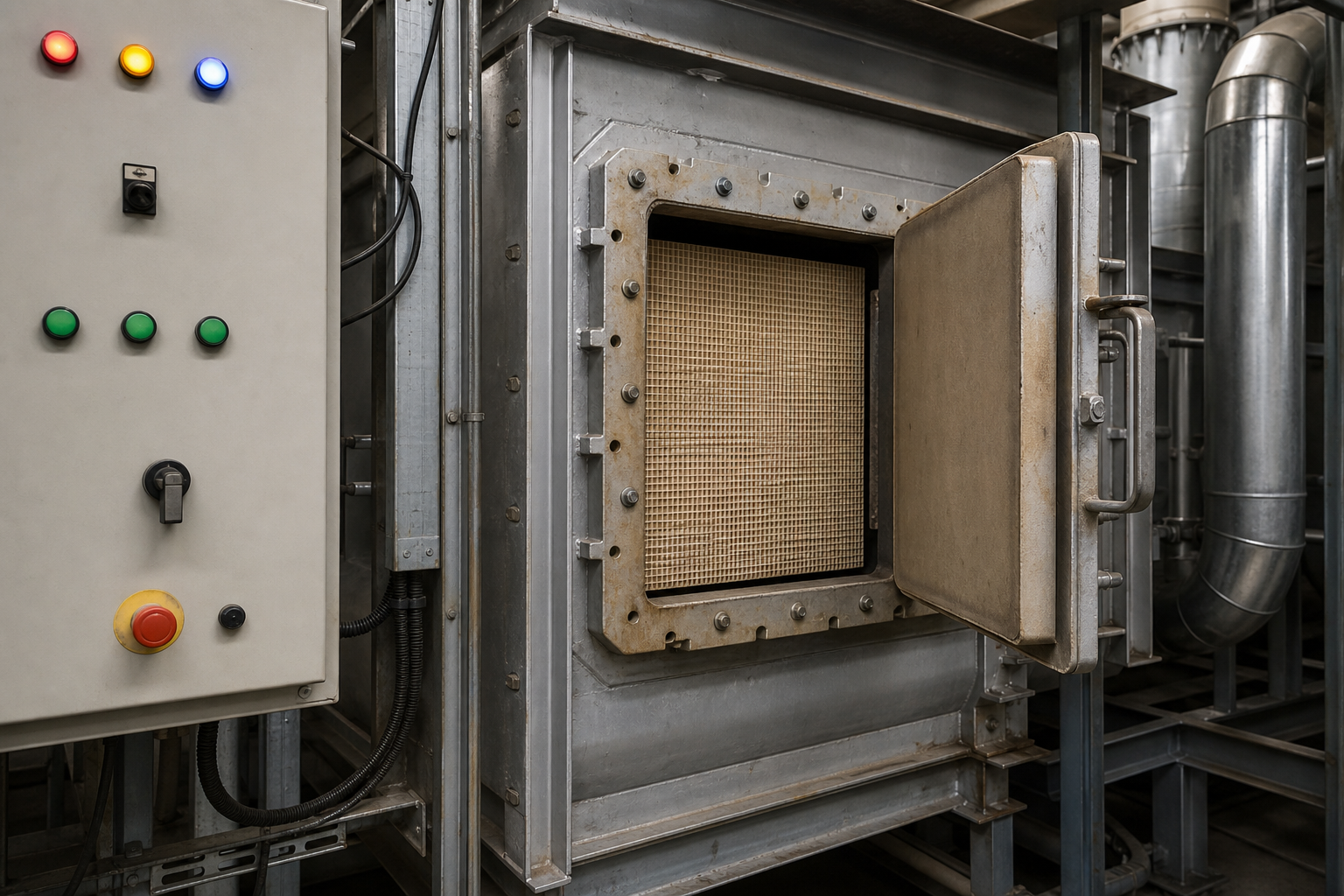
Beds are heat exchangers with a chemistry job. Treat them like assets with a wear curve.
CapEx questions that survive a paint-shop changeover
Booth solvent mixes change. Line speeds change. “Temporary” solvent campaigns arrive for a customer color. An RTO bought for last year’s LEL profile will burn money—or violate—when this year’s campaign concentrates peaks. Buyers who only ask for a nameplate destruction percentage without a design LEL envelope and a turndown story are buying hope.
Secondary air, duct condensation, and capture efficiency at the booth matter before the RTO ever sees gas. A beautiful oxidizer starved by leaky enclosures is an expensive way to permit-fail softly.
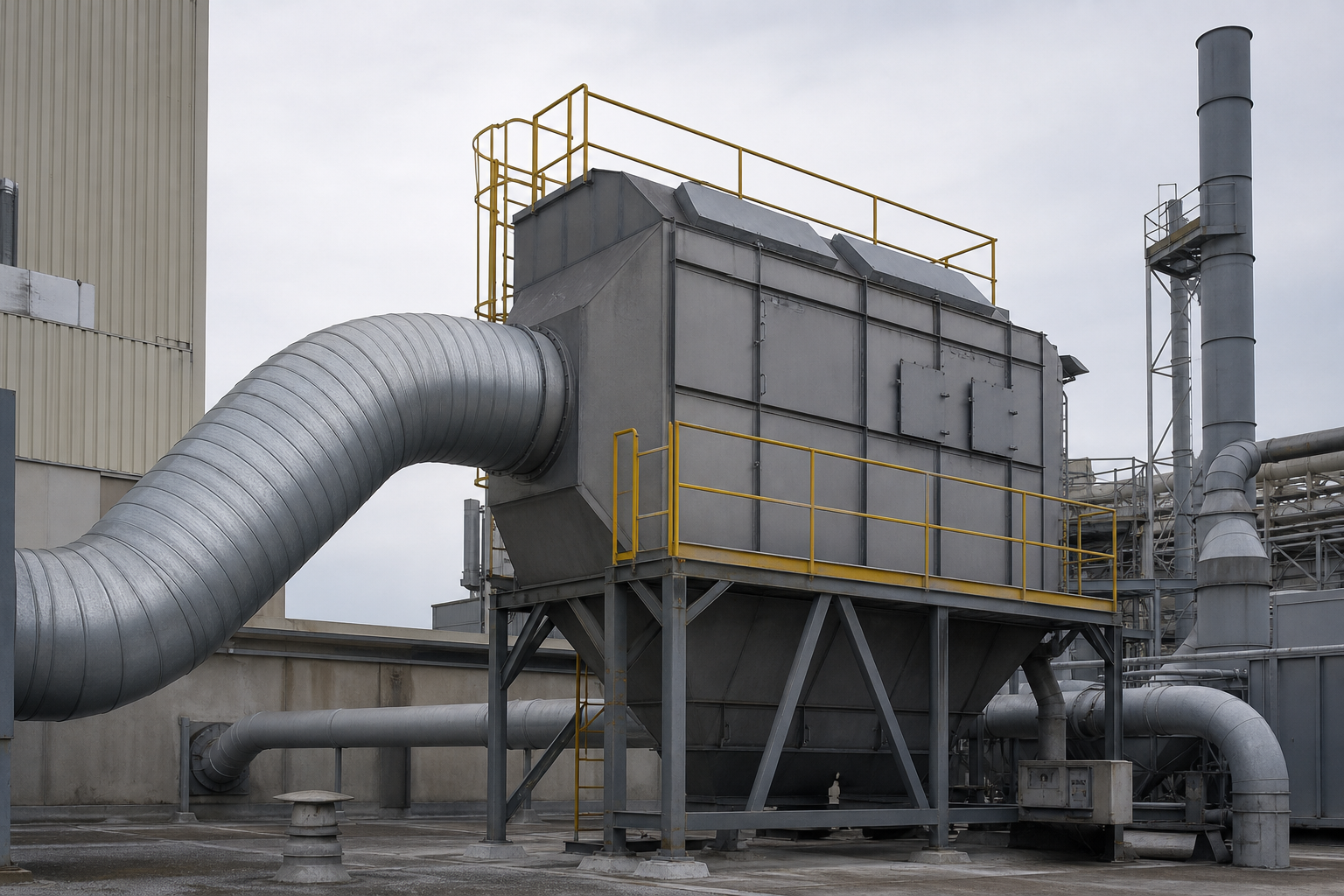
What the booth does not capture, the RTO cannot destroy.
Anonymized fuel surprise
A coatings plant “saved” by delaying ceramic-bed service until burner duty crept from occasional to continuous. Gas invoices rose for a quarter while the stack still looked compliant. The fix was not a bigger burner—it was bed maintenance, valve timing verification, and a rule that solvent campaigns above a published LEL histogram require a facilities sign-off before production promises the color.
Buyer checklist (five items)
- Show destruction efficiency and specific fuel use across low/medium/high LEL cases—not only a brochure peak.
- Publish bed life assumptions and inspection method (ΔT map, pressure drop, visual) with owners.
- Prove capture efficiency at the booth/enclosure under the worst campaign you will actually run.
- Name who can open bypass and how long bypass can exist before it becomes a recorded deviation.
- Walk analyzer calibration and sample-point integrity the same way you walk a critical process analyzer.
Adjacent briefs that are not this machine
Cooling-tower chemistry owns heat-rejection water. CHP owns firm on-site heat-and-power products. Spray-coating robots own atomization cells. Battery formation halls own electrochemical CapEx. None of them own ceramic-bed recovery or VOC LEL envelopes. Do not approve a CHP study and expect paint-shop stack compliance.
An RTO is thermal equipment with a permit attached. Size the heat recovery, govern the campaigns, and the destruction percentage stops being a slide and starts being a plant result.