
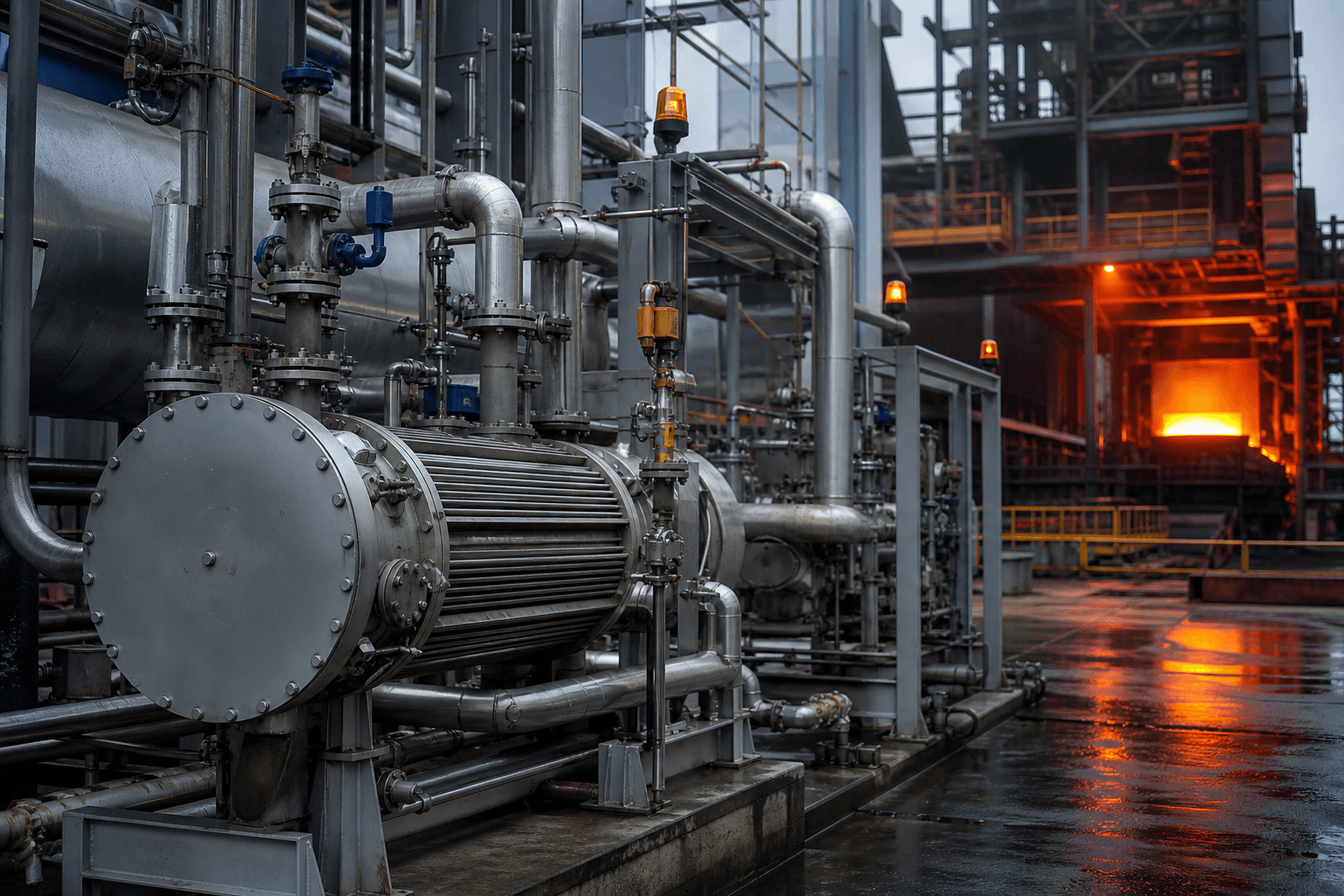
SMRs, gas turbines, and geothermal fight for AI campus megawatts. A different industrial bet is hydrogen for process heat: replacing or blending fossil fuels in burners and furnaces that need temperatures electrification cannot cheaply reach today. Pilot burners, ammonia cracking, and dedicated H₂ corridors are showing up next to steel and chemical assets—not next to GPU halls.
The industrial point is thermal duty, not marketing “green molecules.” If delivered cost and burner reliability miss the mark, hydrogen stays a slide while plants keep firing gas.
What hydrogen process heat unlocks
- High-temperature loads — Duties above practical heat-pump or resistance ranges.
- Fuel switching paths — Blend-ready burners before full conversion.
- Carbon accounting — Scope 1 cuts where power purchase alone does not fix the kiln.
What still blocks scale
Electrolyzer power, pipeline or tube-trailer logistics, and NOx/flame dynamics in legacy furnaces. Projects that ignore purity and leak detection create safety debt. This is not industrial BESS peak-shaving, not flow LDES, and not SiC drives on motors—those solve different energy problems.
What to watch next
- Which mills and chemical sites run sustained H₂ blend or 100% firing campaigns.
- Whether policy credits track verified heat displacement, not only electrolyzer nameplates.
- Delivered $/MMBtu versus continuing gas with carbon capture on the same stack.
Campus firm power keeps the racks up. Hydrogen process heat tries to keep the furnace compliant.