
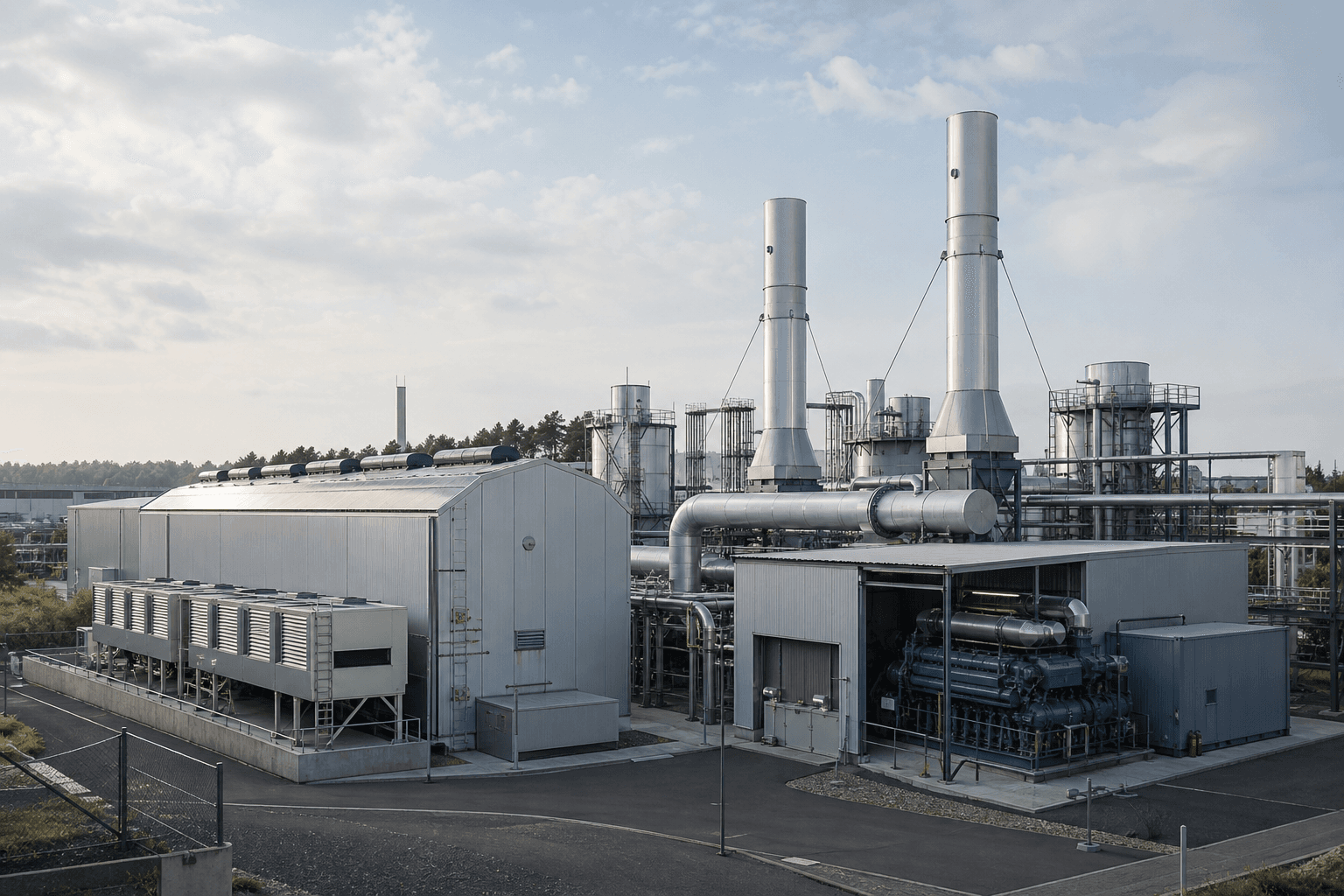
Microgrids sell islanding resilience. BESS shaves peaks. Electrode boilers electrify steam when tariffs allow. Heat pumps reclaim mid-grade heat. What still fits many continuous process sites is older and more physical: combined heat and power—gas engines, turbines, or fuel cells whose exhaust and jacket heat become process steam or hot water while the generator covers base electrical load.
CHP is not “a generator with a free heater.” It is a heat-balance machine. When thermal demand collapses and the unit remains power-led without a useful heat sink, efficiency falls toward open-cycle generation and the investment story breaks.
The industrial point is coincident load. High electrical load with weak year-round heat—or strong heat with weak power—needs a different product than classic industrial CHP.
When CHP beats buying power and firing a boiler separately
Classic screening still starts with high annual operating hours and a stable heat sink: process steam, hot water, or absorption cooling. Overall fuel-to-useful-energy efficiencies are often discussed in the 70–90% band when heat is fully used, versus mid-30s to low-40s for power-only generation plus a separate boiler. Spark-spread and heat-spread economics decide whether that efficiency becomes cash.
Modernization projects frequently fail on the thermal side: oversized engines, missing dump radiators rules, poor integration with existing boilers, and no plan for summer heat surplus. A right-sized unit that runs 6,000–8,000 hours heat-matched will outperform a brochure-max turbine that cycles with the wholesale power price alone.
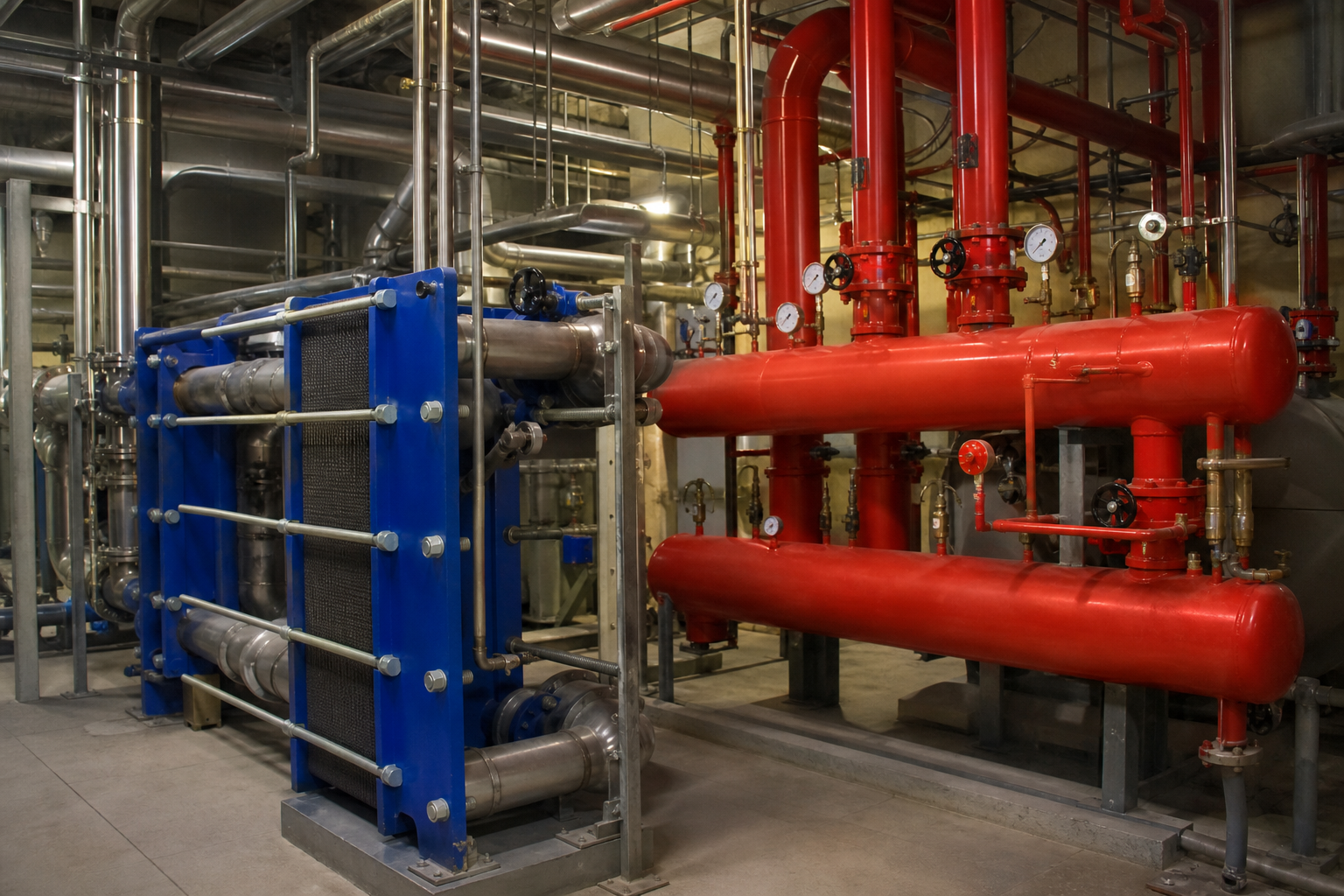
If recovered heat has nowhere useful to go, CHP is just a noisy genset.
An anonymized food-process campus replaced aging boilers and retail power with a heat-led gas-engine CHP sized to winter steam duration curves. Annual fuel use for heat-plus-power fell on the order of 15–20% versus the prior separate system after controls stopped the engines from chasing spot power when condensate return was already satisfied. The win was operating policy, not only nameplate efficiency.
What CHP actually controls
- Heat balance — Steam/hot-water offtake, bypass, and boiler trim so engines stay in efficient load bands.
- Electrical export/import rules — Interconnection limits, protection, and whether island mode is a product or a fantasy.
- Fuel and emissions compliance — Gas quality, NOx controls, and reporting that utilities and permits require.
- Maintenance as availability — Overhaul intervals that match the plant’s turnaround calendar, not only the OEM brochure.
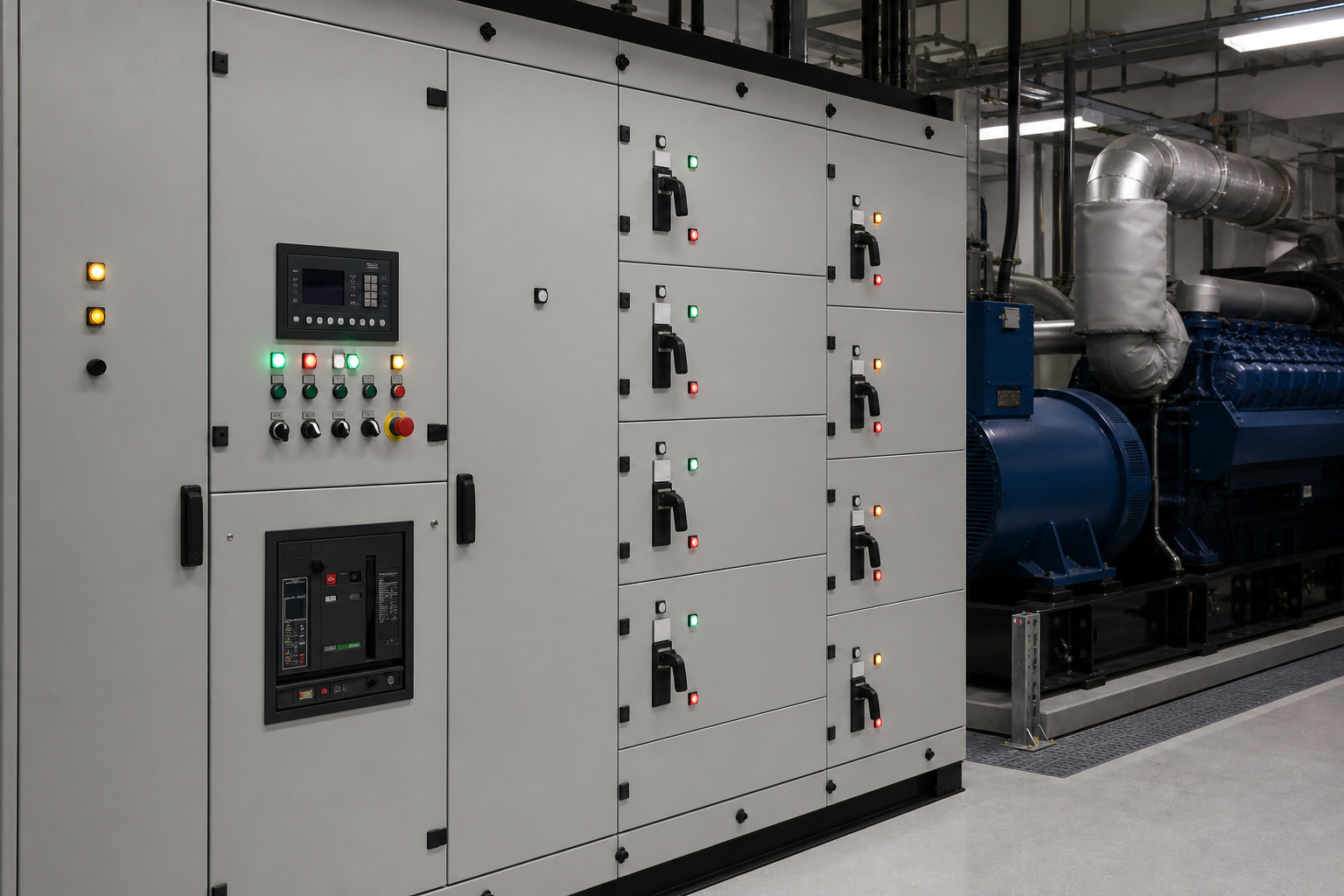
Interconnection and protection settings are part of the energy product—not electrical afterthoughts.
Situation: power-led chasing that dumps heat
A chemicals site ran CHP power-led into a weak summer heat load, dumping jacket heat while still claiming “cogeneration.” Auditors and internal energy teams eventually scored it as generation with waste heat. Re-control to heat-led with a smaller summer envelope—and electrode boiler top-up for rare peaks—restored the efficiency narrative and cut dump-radiator hours sharply.
What this is not
This is not BESS peak shaving, not microgrid islanding philosophy alone, not demand-response flexibility markets, not industrial heat pumps as the primary heat source, and not electrode boilers as the sole steam path. CHP specifically owns the coupled heat-and-power machine and its heat sink.
Numbers worth putting on the buyer slide
| Signal | Practical planning ranges | | --- | --- | | Useful overall efficiency when heat is used | Often cited ~70–90% | | Hours that make economics work | Typically thousands per year, heat-matched | | Failure mode | Power-led operation with dumped heat | | Integration | Existing boilers as trim, not abandoned orphans |
Treat OEM efficiency at full load with perfect heat use as an upper bound—model your duration curves.
Failures that still look like decarbonization progress
Oversizing to maximum electrical import. Ignoring summer heat sinks. Skipping interconnection studies. Counting dumped heat as “recovered.” Forgetting overhaul OpEx in the spark-spread spreadsheet.
Buyer checklist
- Duration curves — Heat and power hour-by-hour, not annual averages.
- Control mode — Heat-led, power-led, or hybrid—and who may change it?
- Sink integrity — Where does surplus heat go without lying on the KPI?
- Grid contract — Export limits, island claims, protection ownership.
- Maintenance funding — Overhauls booked like production assets?
CHP earns its keep when heat and electrons are needed together. Separately, buy power and fire boilers—or electrify steam on purpose. Do not pretend dumped heat is a climate strategy.