
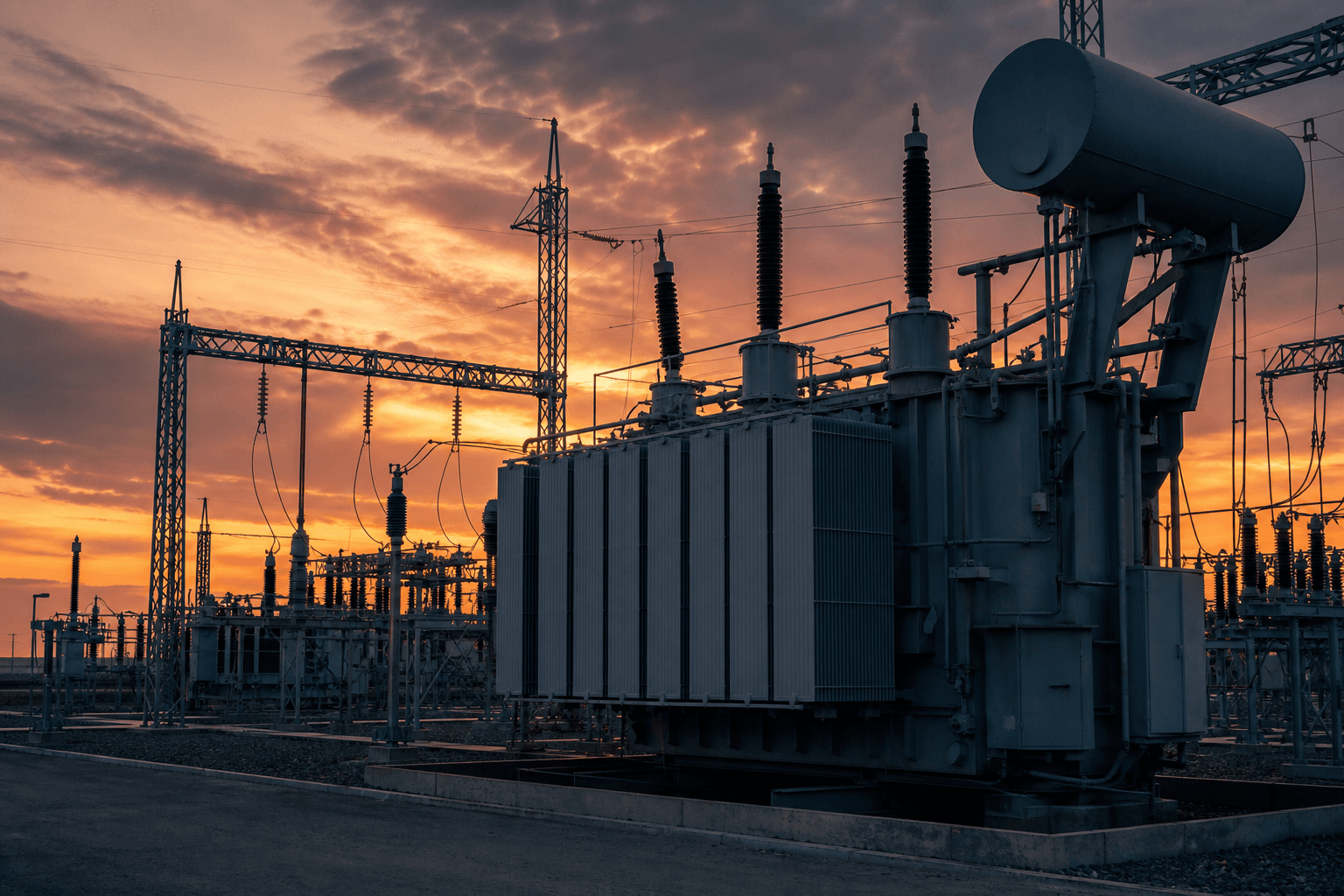
Solid-state transformers chase denser AI racks. Industrial BESS shaves peaks. Behind-the-meter turbines buy firm power speed. Electrode boilers need electrical service. What still slips COD for factories and campuses is older than any of those headlines: power transformers, GIS/AIS switchgear, and utility interconnect hardware sitting in multi-year factory queues.
Procurement teams that once treated the substation as “utility paperwork after steel” now put grid kit on the CapEx critical path—ordered in parallel with generation and process equipment, not after the building envelope closes.
The industrial point is energized MVA on a real calendar. A finished hall waiting on a transformer is a warehouse with good architecture.
When the building is ready and the iron is not
A familiar pattern in 2025–26 electrification and AI-campus programs: civil and process packages track to plan while HV/MV long-lead items slip. Typical inquiry-to-ship windows discussed openly by buyers and consultants now often land in the 18–36 month band for large power transformers, with some specialty ratings and GIS packages quoted longer when factories are full. Switchgear is not automatically “fast”—metal-clad MV and high-end GIS can still dominate the interconnect schedule once transformers are locked.
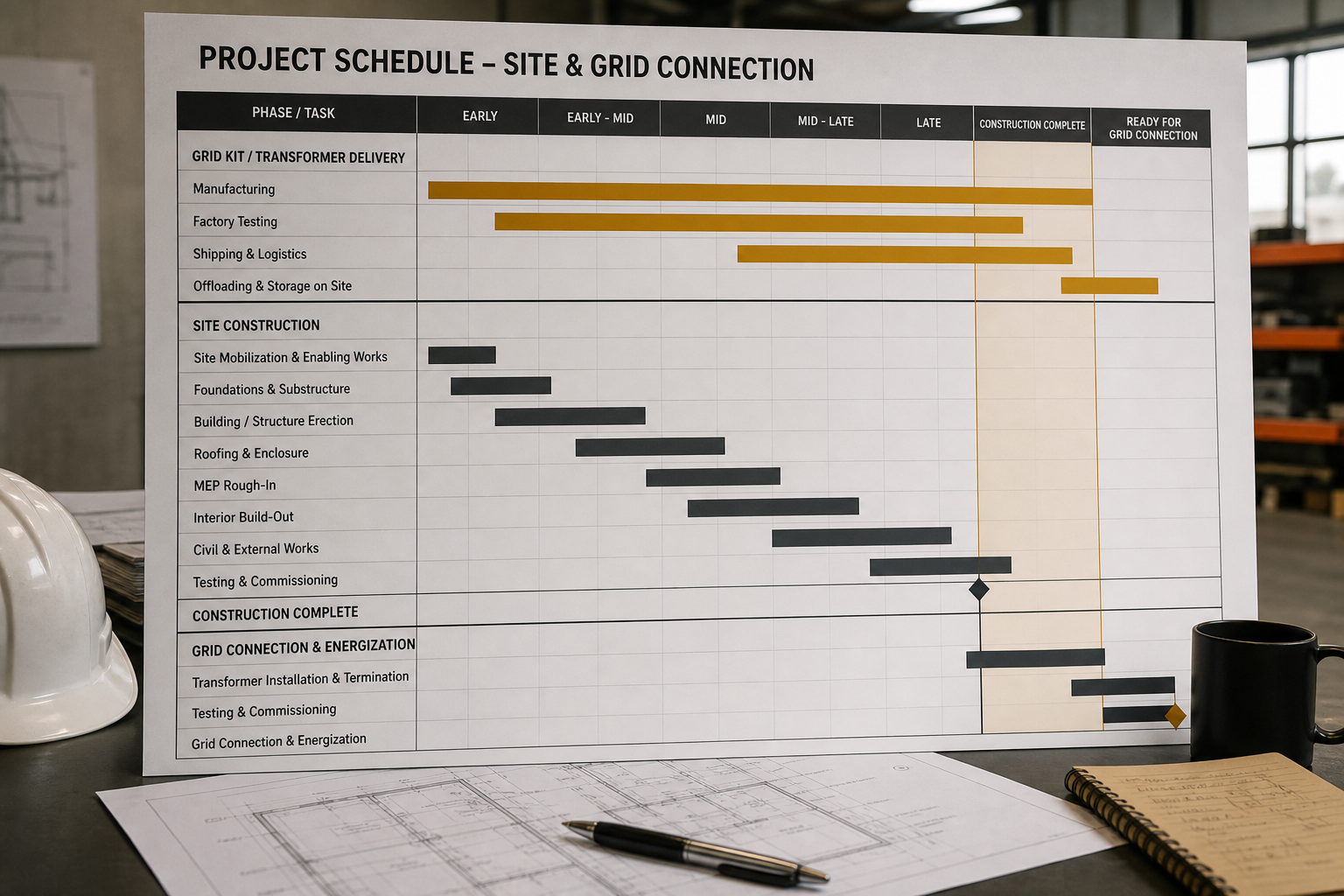
Illustrative: civil finishes can clear months before heavy grid kit arrives.
One anonymized European specialty-chemicals site pushing electrode boilers and a larger interconnect found its process package ready while the utility-required transformer class remained the gating item. The team re-sequenced cable galleries and control buildings around a known ship window—and still nearly missed COD when factory slot confirmation moved once. That is not a cooling or BESS story; it is a heavy-iron story.
What early buyers actually lock
Teams that clear energization without heroic expediting tend to do three things early:
- Freeze voltage class and MVA early — Change the rating late and you restart the queue, not a paperwork revision.
- Design to what can ship — Accept available impedance, cooling, and footprint options rather than a perfect custom that adds a year.
- Fund contingency iron — Spares, secondary-market units, or dual OEM qualifications for failure and expansion—not only the first energization unit.
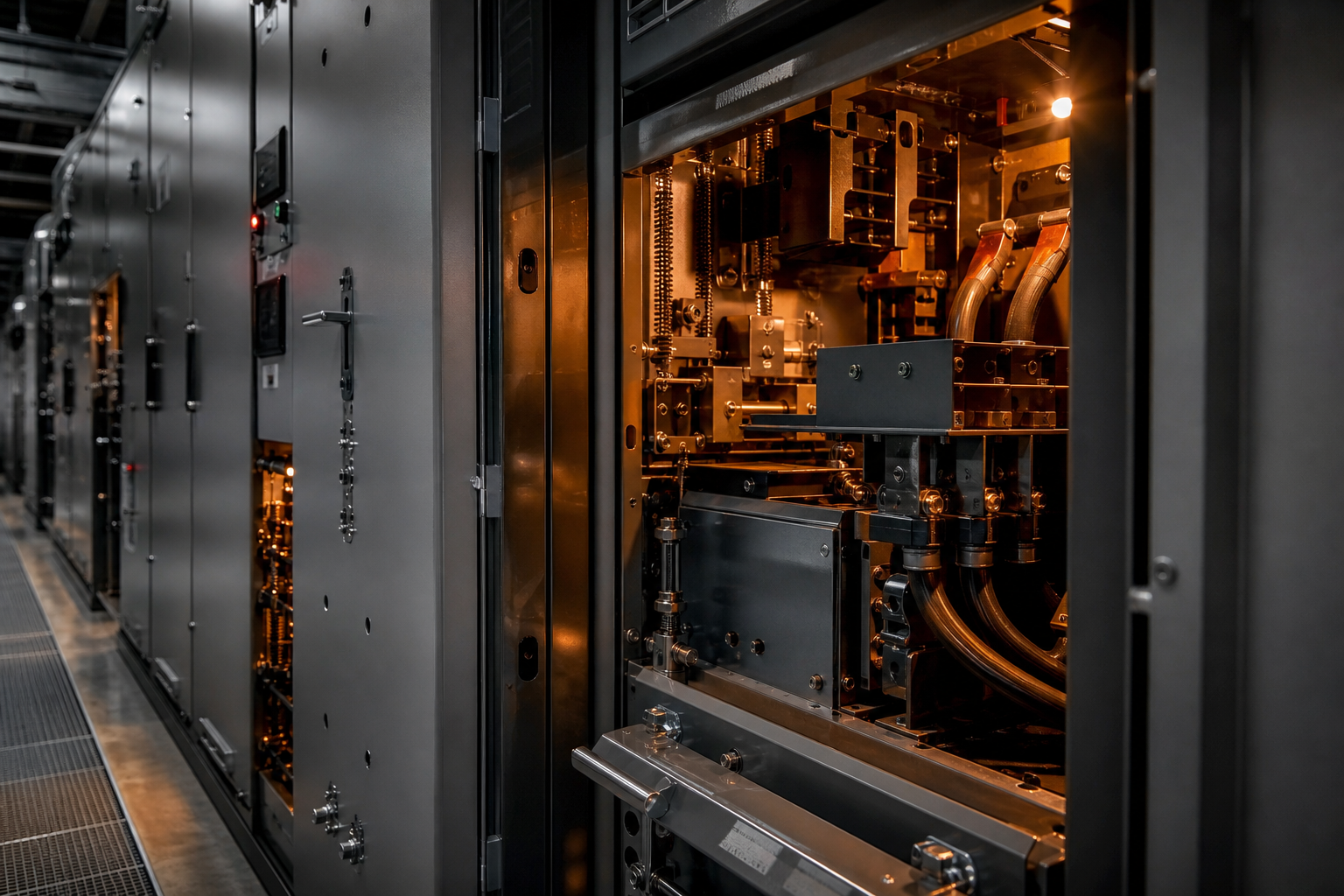
Switchgear and protection packages share the same scarce factory calendar as transformers.
None of this replaces generation strategy. It decides whether generation has somewhere legal and reliable to land.
Mistakes that still burn schedules
Assuming the utility “has stock” for every AI or plant electrification load. Treating a data-center SST demo as proof that the site substation will arrive on a six-month cadence. Letting mechanical completion celebrations hide an interconnect gap that was visible eighteen months earlier.
This remains distinct from liquid cooling of racks, flow or lithium storage duration, hydrogen process heat, and electrode-boiler steam generation itself. Those choose how you use electrons. Transformers and switchgear decide when electrons are allowed.
Signals worth tracking before the next CapEx freeze
- Published lead times by voltage class from major OEMs and utility programs—not only lobby anecdotes.
- Standardized designs that shorten factory slots without weakening reliability or protection coordination.
- Projects that resequence civil work around ship dates and still miss COD—evidence the queue, not the crane, is the constraint.
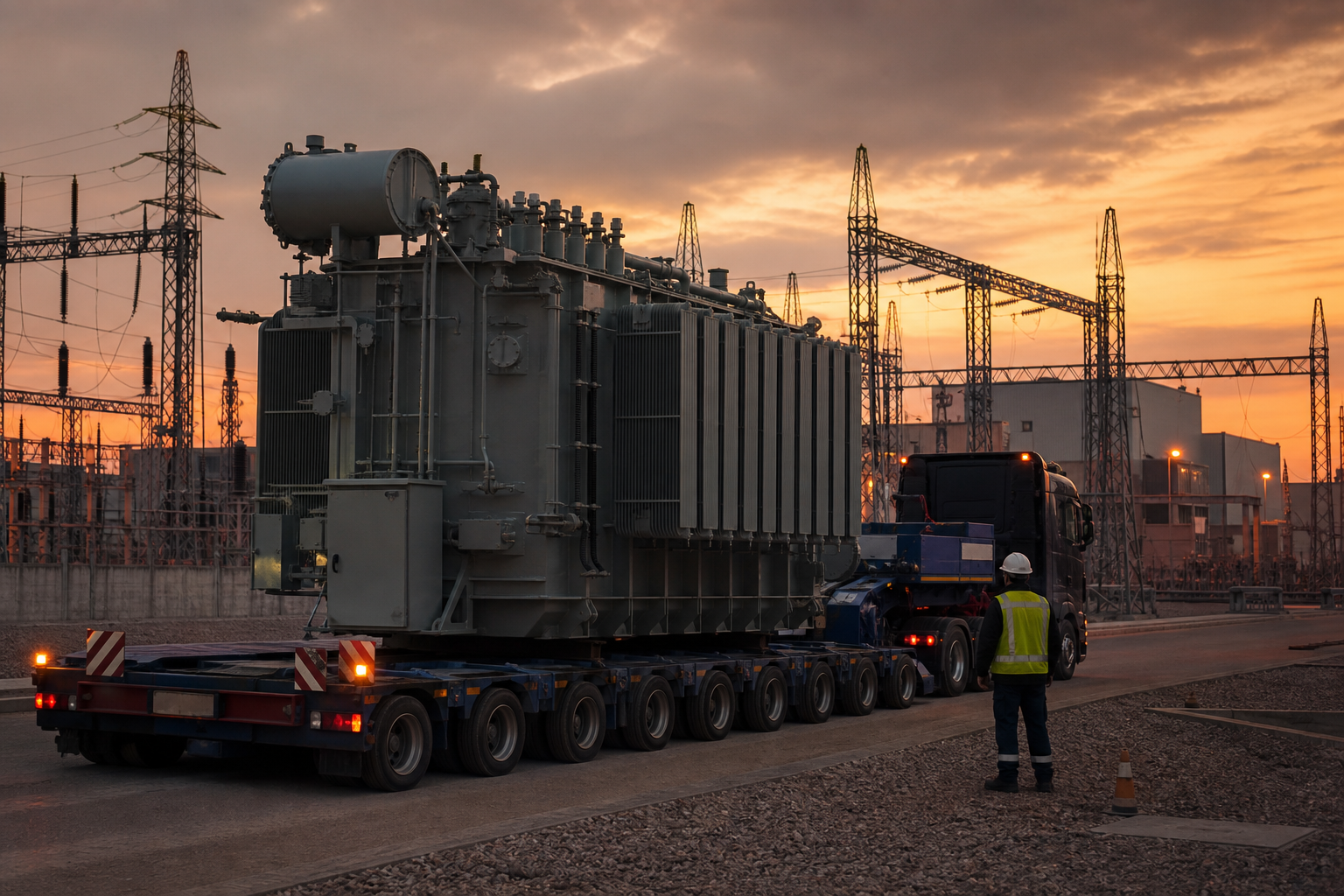
Delivery day is a milestone only if the factory slot was reserved years earlier.
Buyer checklist (short)
- Rating lock — Can we freeze MVA/voltage before detailed process PEID churn?
- OEM dual path — Is a second qualified design acceptable if the first slot slips?
- Civil vs iron — Which packages can float without rework if ship moves ±6 months?
- Utility interface — Are protection and interconnect studies paced to the same iron date?
Generation still grabs the headlines. Switchyards decide when electrons start earning.