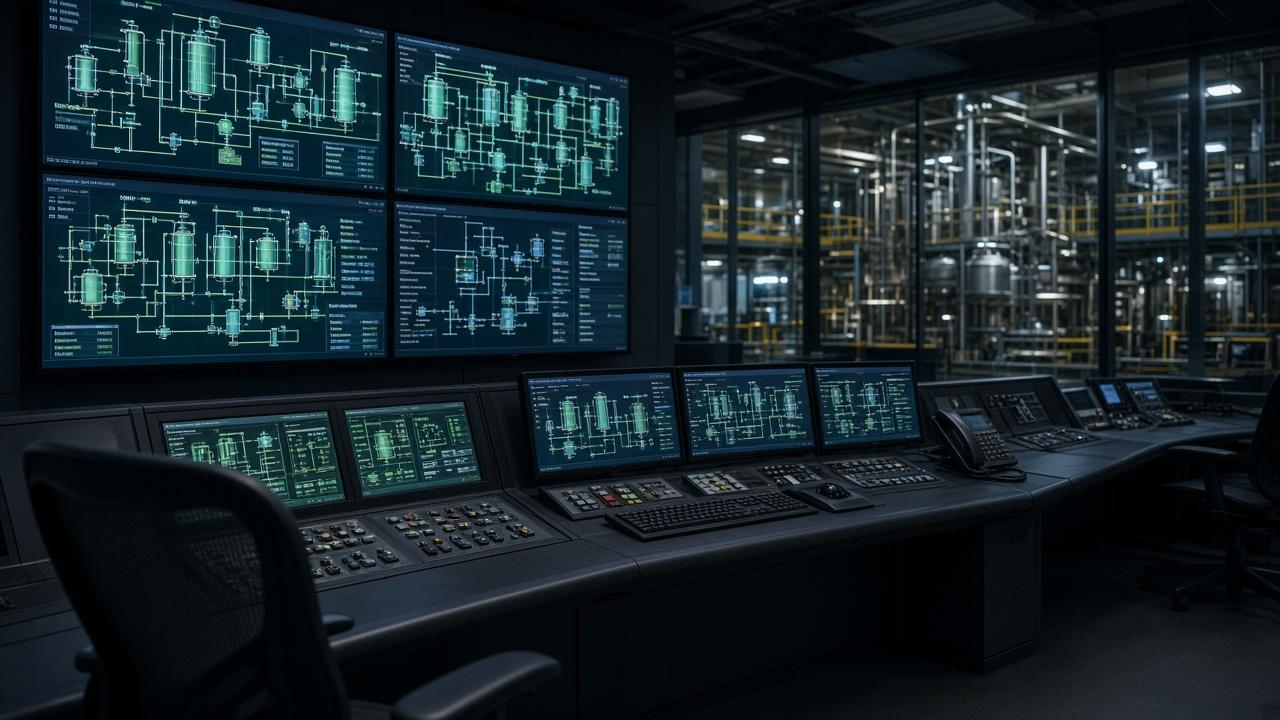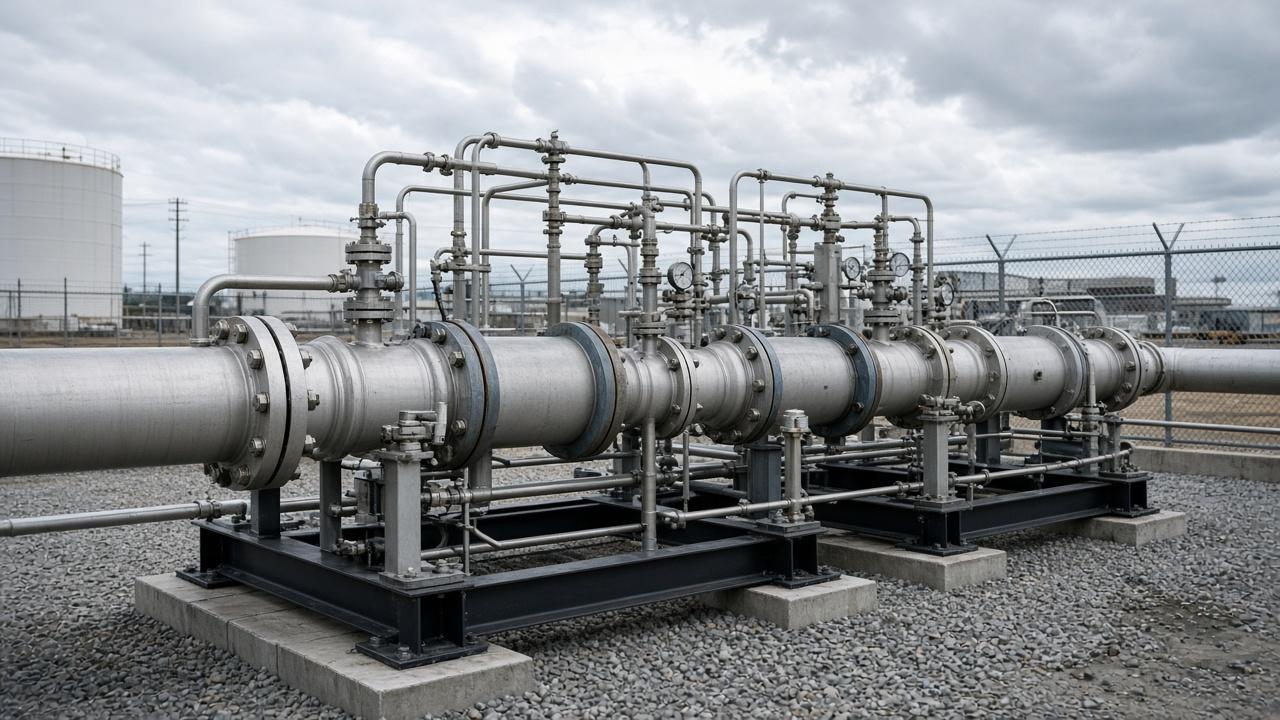
Emerson announced on 10 November that the DeltaV FB3000 remote terminal unit now carries integrated liquids proving and batch management. The same chassis already combined gas measurement, control, communications, and a zero-trust cybersecurity architecture. The update targets midstream custody transfer on crude, refined products, diesel, LPG, NGLs, condensate, and related liquid hydrocarbons—pipelines, gathering systems, terminals, storage, and production assets.
The Advanced Pulse Module supports prover detector switches and API-aligned proving workflows for large-volume, small-volume, and master-meter provers. Batch management handles station-level stacks and triggers so scheduled or on-demand custody batches share product definitions and totals across associated meters. Emerson’s pitch is consolidation: fewer separate boxes for measurement, proving, control, and communications. Aaron Boettcher, vice president and general manager of Emerson’s energy and transportation solutions business, framed the problem as operators still running those functions on disconnected systems.
What the release leaves open matters as much as what it lists. There is no published field reduction in ticket disputes, no guaranteed meter-factor stability number, and no retrofit hour count that applies to every installed FB3000. Custody transfer still turns on prover discipline, pulse integrity, density and sediment-and-water inputs, and how honestly the batch is closed. Architecture can put proving logic next to the gas stack; only a disciplined prove run produces a usable meter factor.