
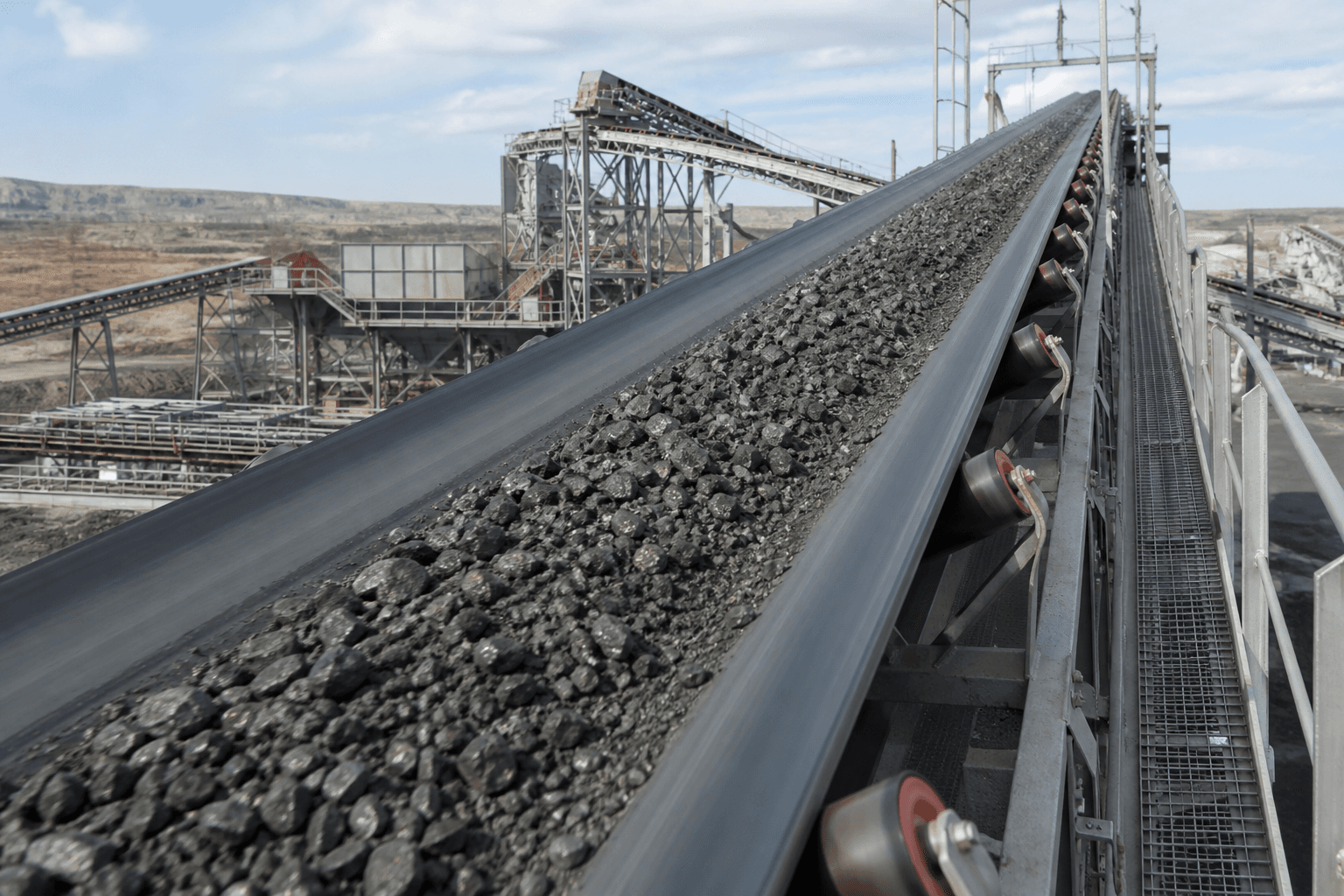
A longitudinal rip on a steel-cord or fabric belt does not announce itself politely on a walkaround checklist. The belt can still move thousands of tonnes per hour while a tear opens on a face nobody can see from the catwalk. What separates a planned splice repair from a multi-day plant choke is whether detection can stop the belt—and whether operations trusts that stop enough not to mute it.
AMR intersection briefs own aisle gridlock. Acoustic machine listening owns rotating-asset sound. Vision confusion matrices own labeled defect classes on parts. This brief owns bulk conveyors as a reliability asset class: rip detection that is allowed to be a trip, not a dashboard widget.
What actually fails
Common industrial patterns:
- Longitudinal tears starting near splices, impact zones, or tramp metal events.
- Cover gouges that become rips under tension.
- Embedded-loop systems that fail open because the loop itself died.
- Walkdowns that only see the return side while the carrying side opens out of view.
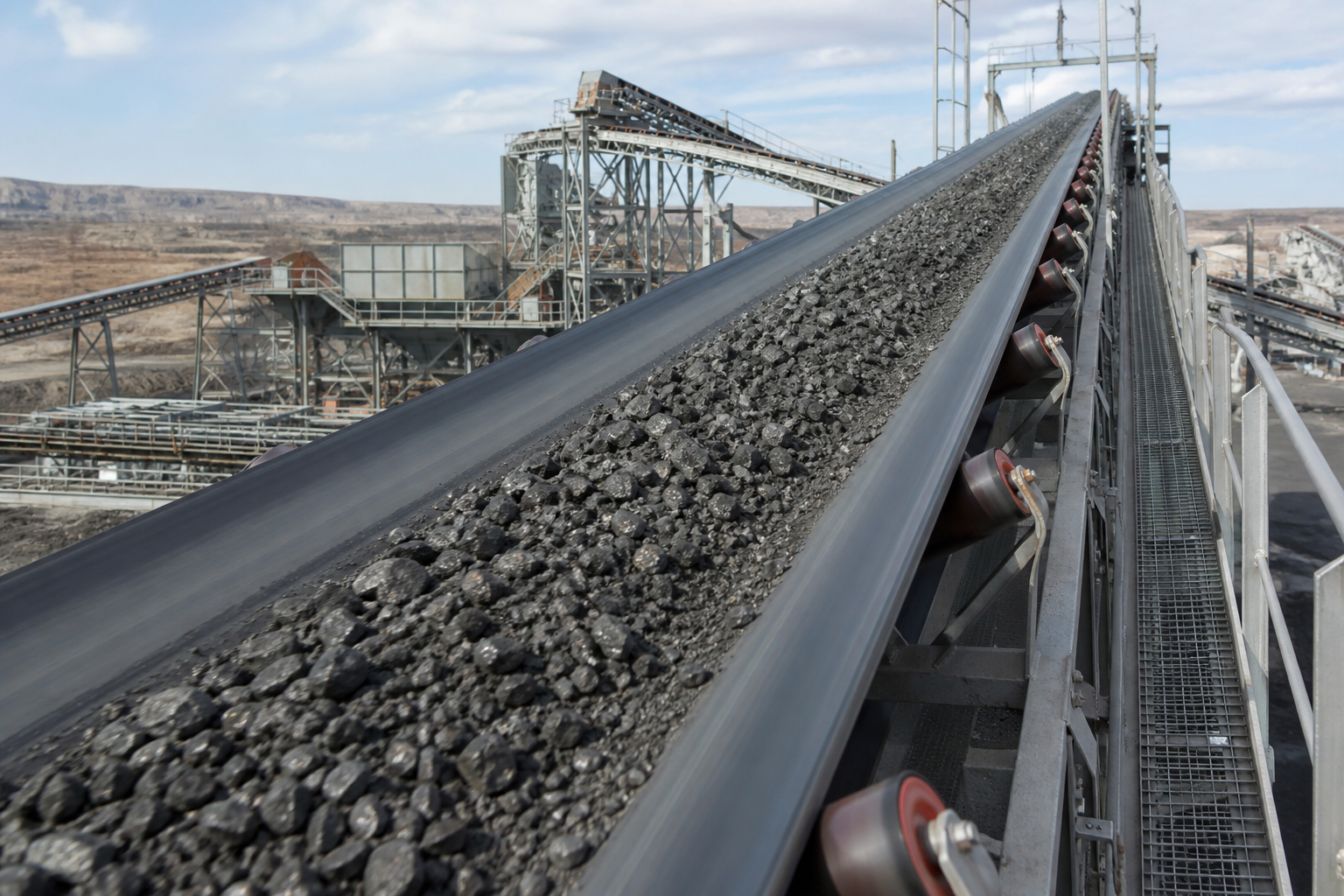
Throughput looking healthy is not belt integrity.
Three detection families plants are actually buying
| Approach | What it watches | Strength | Failure mode | | --- | --- | --- | --- | | Edge vision / surface cameras | Cover tears, splice separation, carry-back cues | Sees geometry humans miss | Lighting, dirt, false calls without adjudication | | Loopless / motor-parameter scoring | Current, voltage, load signatures vs model | No belt inserts to maintain | Needs honest baselines; load changes can confuse | | Classic embedded loops | Continuity of inserts in belt | Familiar | Install cost, loop failures, splice complexity |
Mature sites treat these as layers, not religions. Vision without a PLC trip path is a photo album. A rip score without a tested stop is a rumor with math.
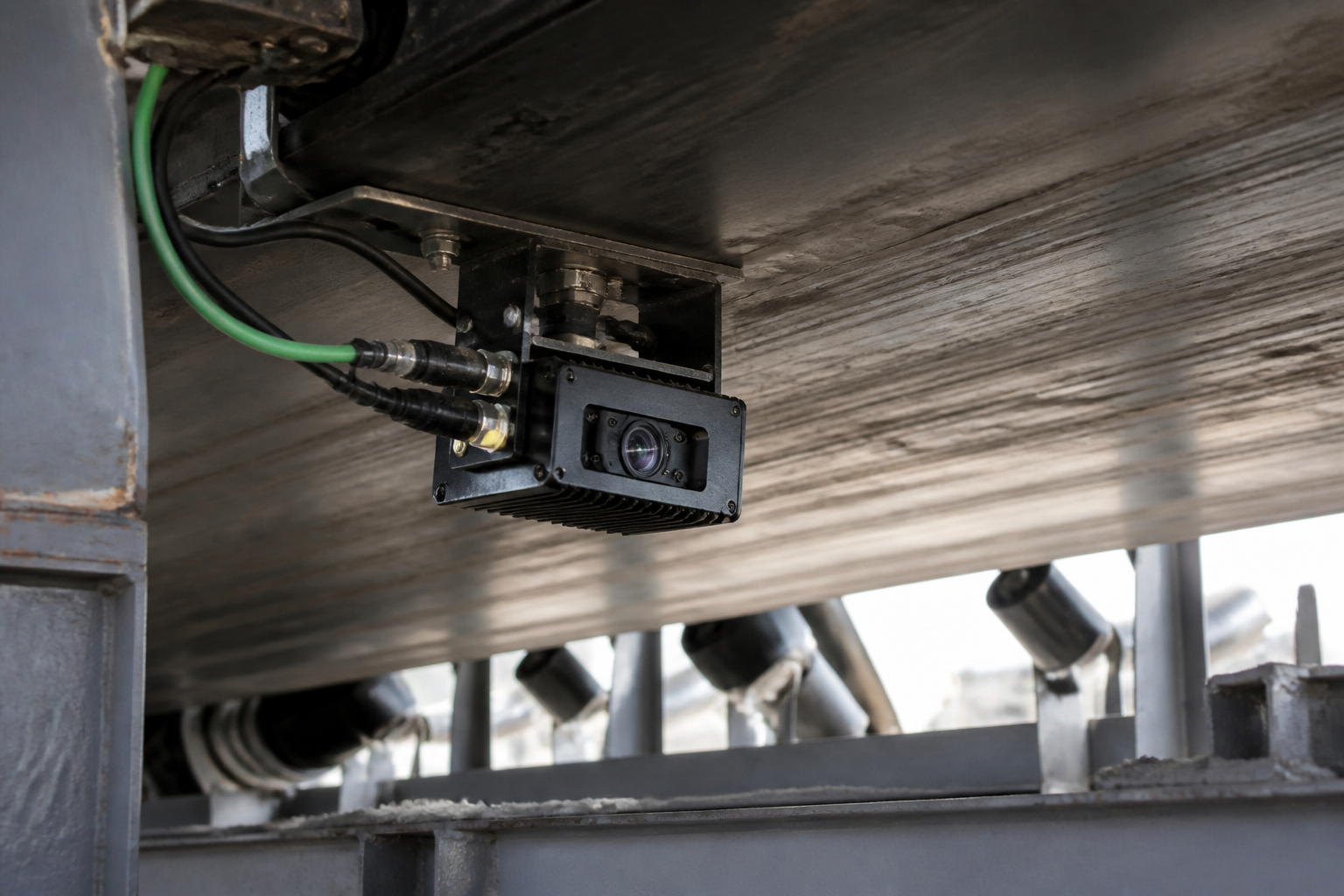
Latency under a tenth of a second only matters if the contactor is allowed to open.
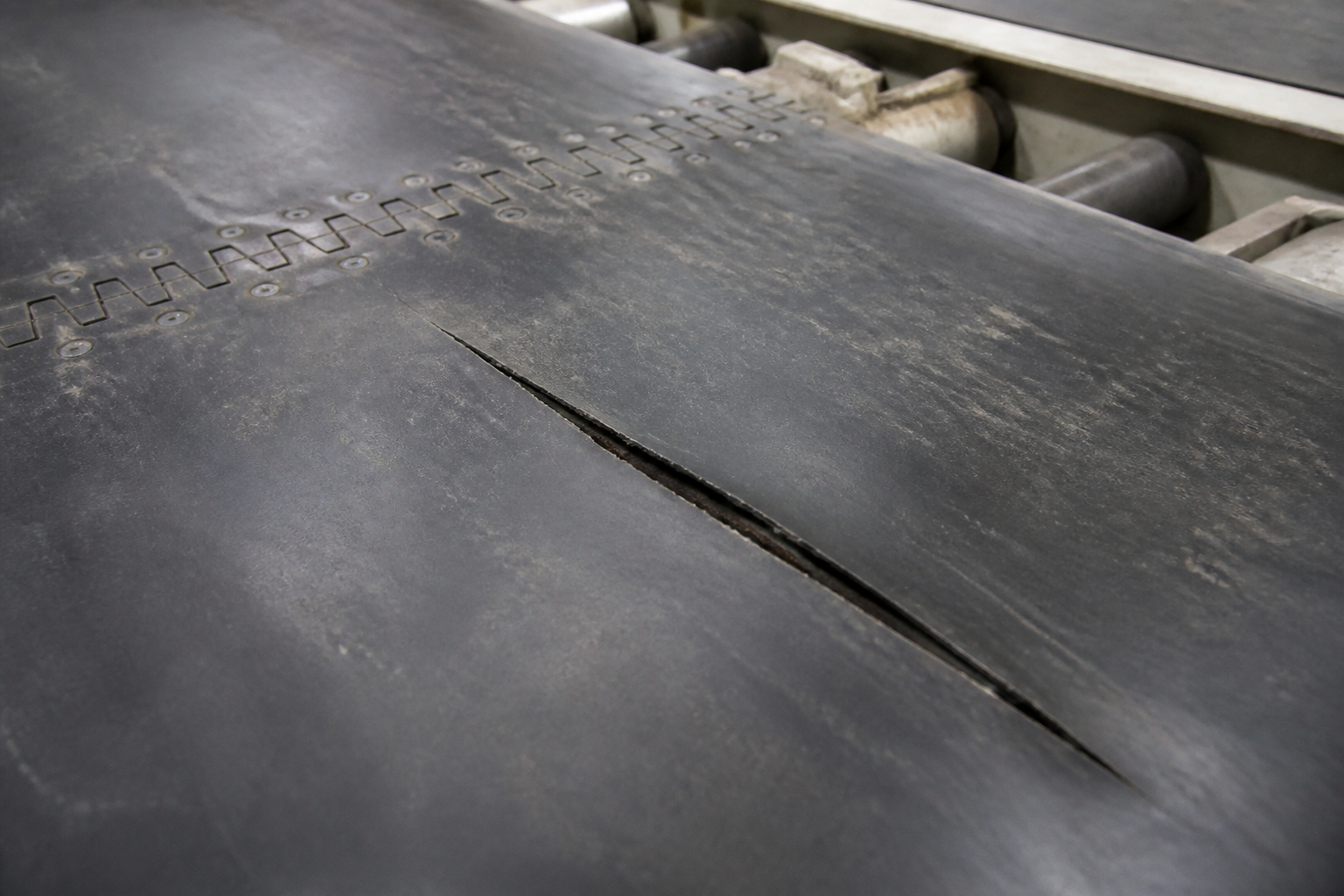
Meters of rip beat kilometers—if the stop is real.
Governance that keeps detection plant-grade
- Map every critical belt to a named stop authority (PLC interlock, not “email the supervisor”).
- Prove stop latency with timed tests after install and after major splices.
- Track false-trip and missed-detection rates like SIS proof metrics—not like IT ticket noise.
- Link events to CMMS with splice ID and belt meter marks so repairs teach the next model.
- Ban mute culture: repeated bypass of rip trips becomes an engineering ticket with expiry.
An anonymized concentrator feed belt that caught a tear early converted a catastrophic replacement narrative into a planned splice window. The technology mattered. The trip path mattered more.
Adjacent fences
AMR traffic owns mobile robot congestion. Acoustic PdM owns bearings and motors. OGI LDAR owns gas leaks. Compressed-air programs own utility waste. This page owns belt rip as a stop-authority reliability problem. Do not buy cameras and leave the conveyor free to run itself apart.