
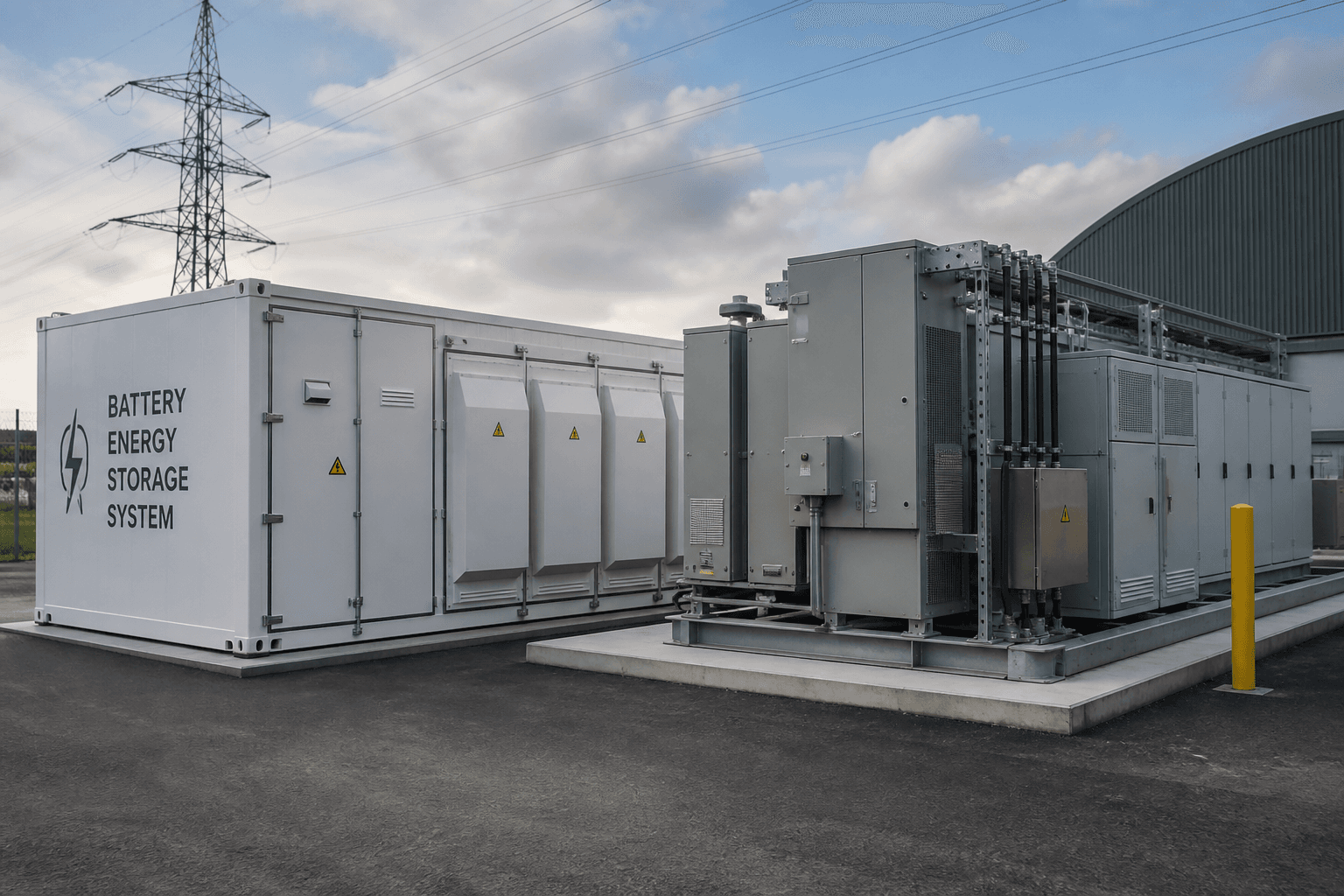
Diary: BD-14 · Behind-the-meter BESS (anonymized)
Day type: Hot weekday · plant peak risk
Claim: “Battery handled the peak.”
Format: Dispatch day diary. Not a LCOS slide.
06:10 — Charge
SOC 28% → target 80% before first shift surge.
Grid import cheap. Good.
10:40 — False peak
Packaging line spike. Controller discharged hard.
SOC 80% → 51%. Real plant peak historically 15:30–16:10.
Wrong mountain.
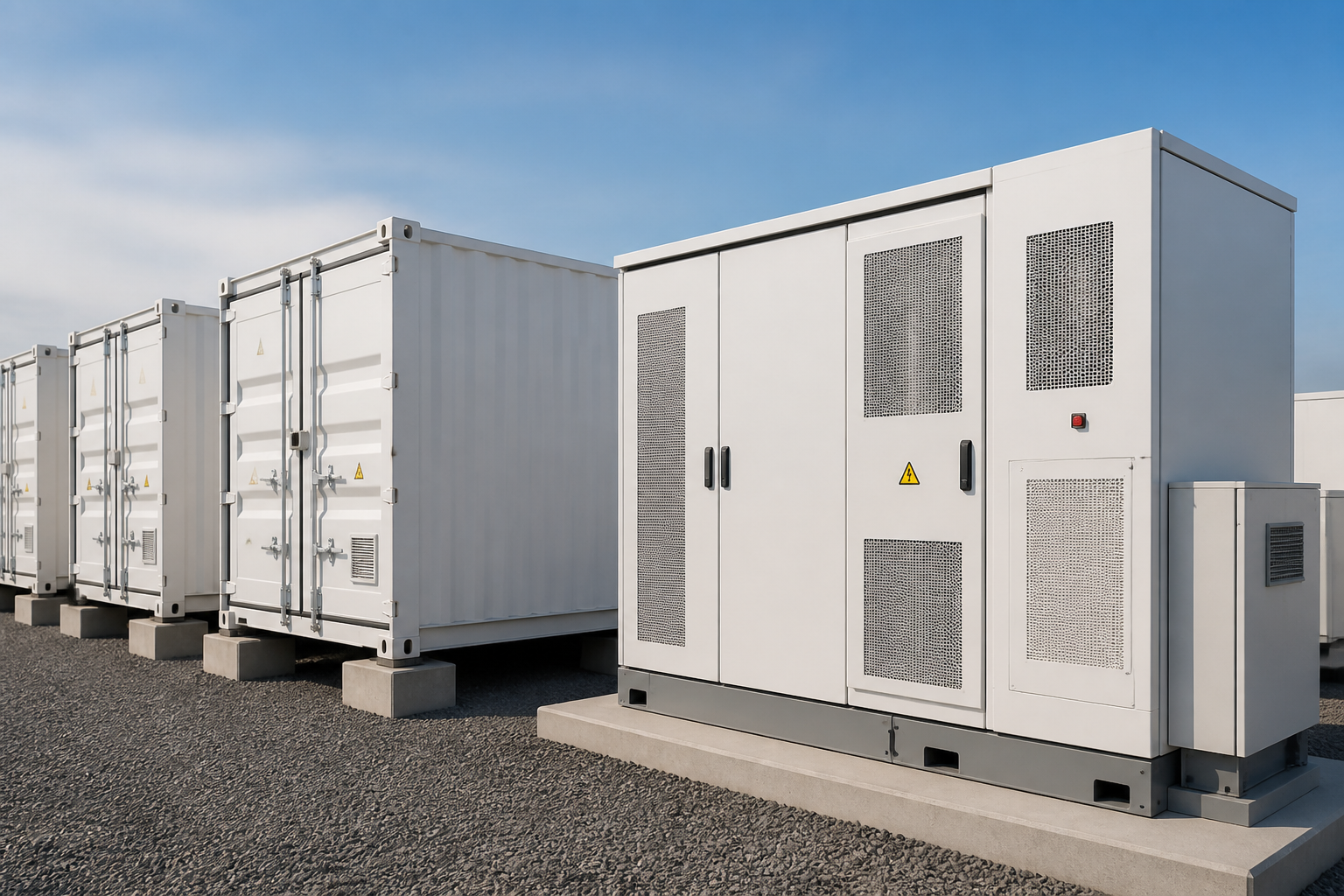
If the forecast peak is a rumor, the battery spends itself on noise.
15:55 — The real peak
Plant demand climbs. BESS at 47% SOC, export limit already binding from morning.
Peak shaving undershoots. Demand ratchet risk returns.
18:20 — Recovery attempt
Charge blocked by demand-limit logic fighting itself.
Operator switches to manual — no MoC note.
Day scoreboard
| Item | Plan | Actual | | --- | --- | --- | | Peak window | 15:30–16:10 | Controllers chased 10:40 | | SOC at real peak | ≥65% | 47% | | Export limit hits | 0 | 3 | | Manual mode | none | 18:20 unmarked | | Bill impact | shave | partial + ratchet risk |
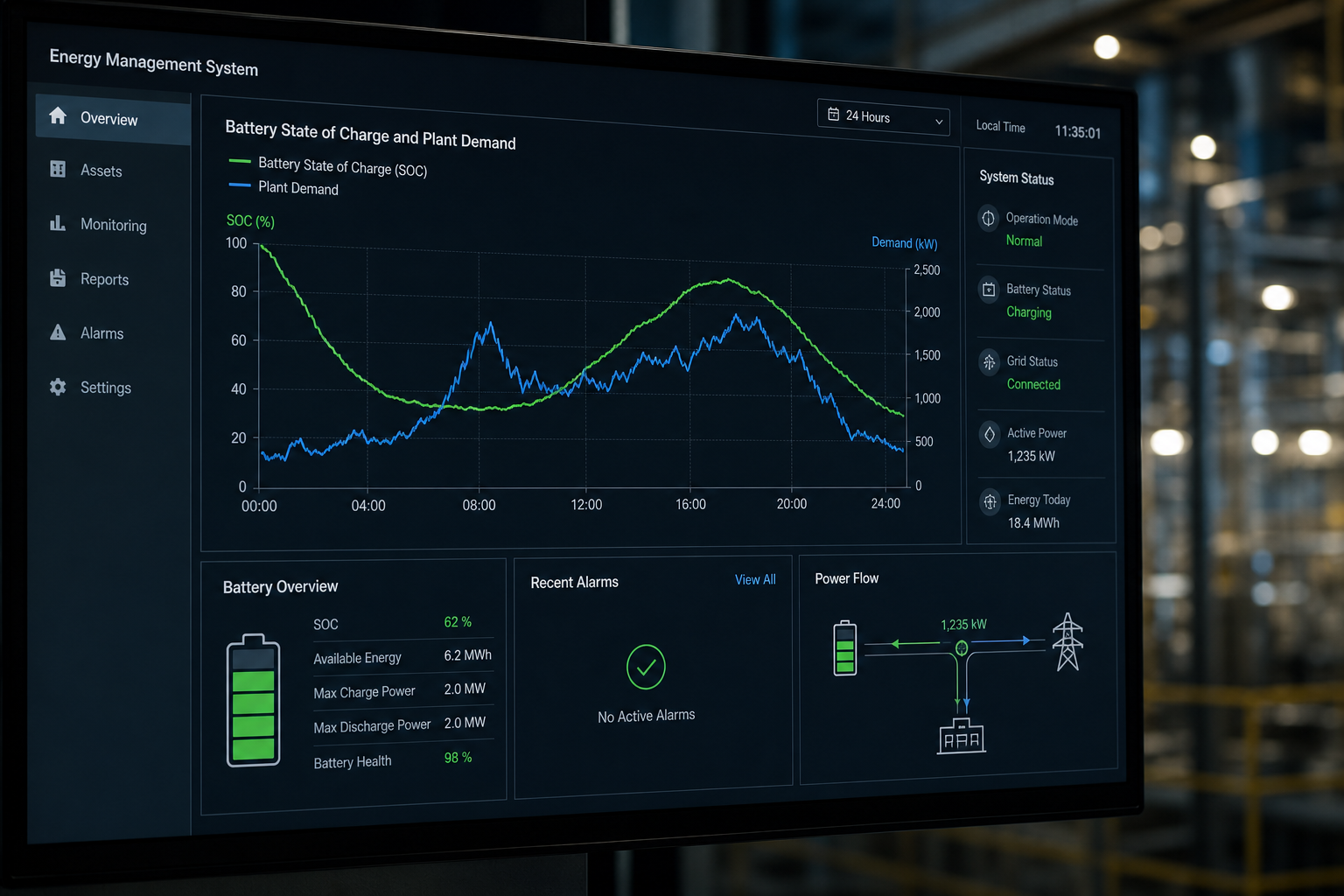
SOC without a peak calendar is just a battery selfie.
Diary rules for next hot day
- Peak window from last 20 like-days, not last spike.
- Reserve SOC floor locked until window opens.
- Export limit events logged as first-class faults.
- Manual mode = ticket before end of shift.
- Diary closes with bill-relevant peak number, not “felt fine.”
Adjacent fences
Annotated demand curves own penalty geography. Invoice autopsies own line items. Trip reports own protection truth. Microgrid essays own islanding. BD-14 owns one dispatch day as P&L. Do not call every discharge “peak shaving.”
Close
The battery did work. It worked on the wrong hour. BD-14 is how that hour gets a name.