

System: Inline vision QC · cosmetic + critical defect classes (anonymized)
Claim: “99% accurate”
Shipment incident: Critical defect escaped
Format: Confusion-matrix autopsy. Not a vendor accuracy slide.
Matrix (validation week, counts)
                 Pred OK    Pred NG
Actual OK          9800        120
Actual NG (cos)      40        600
Actual NG (crit)     14         26
Accuracy = (9800+600+26) / total ≈ 99.1%.
Critical escape rate = 14 / (14+26) = 35% of criticals missed.
Accuracy congratulated itself. The customer did not.
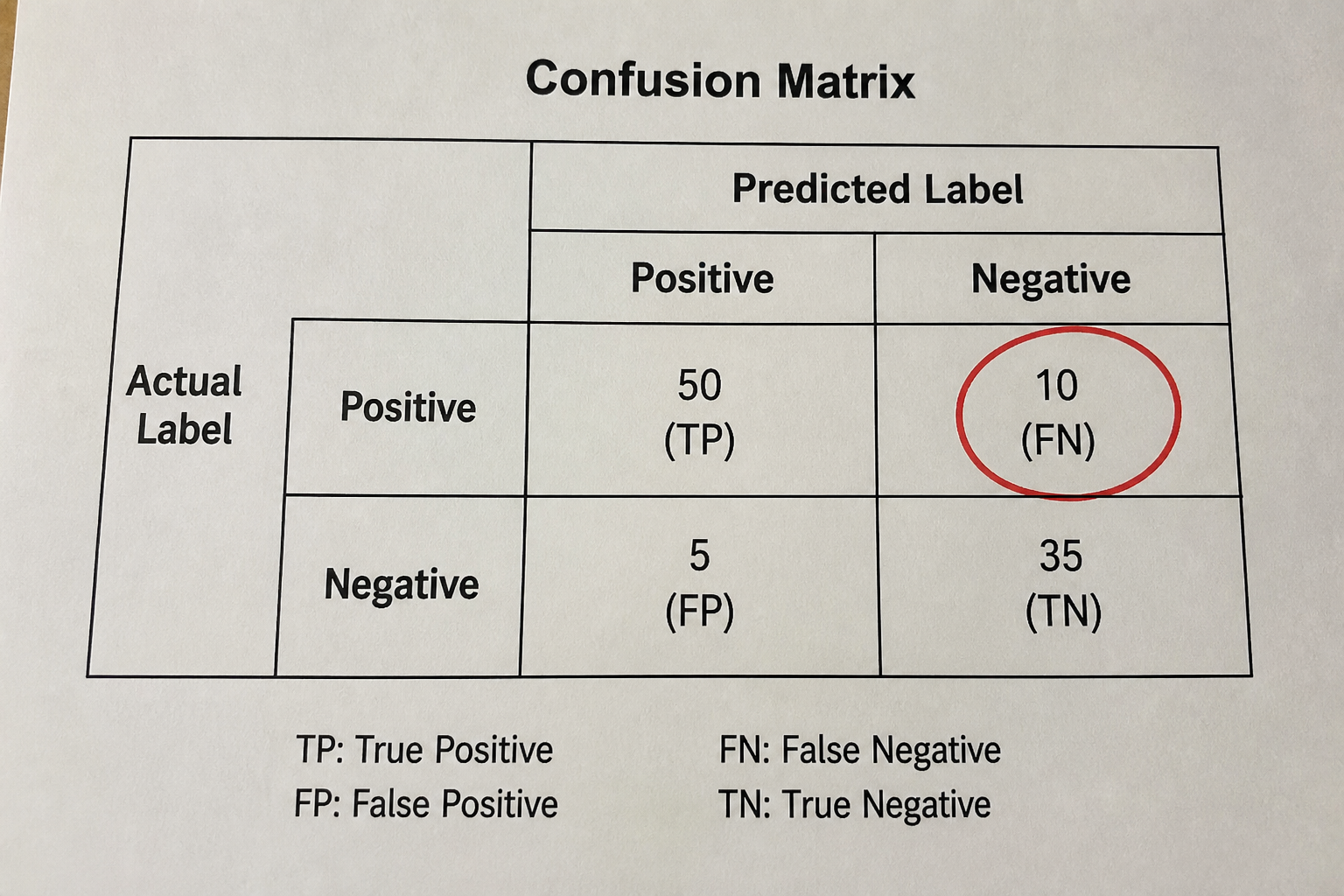
The dangerous cell is rarely the one accuracy advertises.
What the threshold did
Operating point tuned to minimize false NG (scrap cost visible).
Critical false OK stayed off the KPI board.
Threshold theater optimized the wrong cell.
Class imbalance honesty
OK dominates. A model can sleep and look accurate.
Required metrics going forward:
| Metric | Gate | | --- | --- | | Critical recall | ≥ agreed % | | Cosmetic precision | ≥ agreed % | | Escape budget / week | hard cap | | Accuracy | not a gate |
Data sins found
- Critical examples rare in training; augmented cosmetics padded the set.
- Lighting change after training; no drift monitor on image stats.
- Operator overrides of NG→OK not fed back as labels.
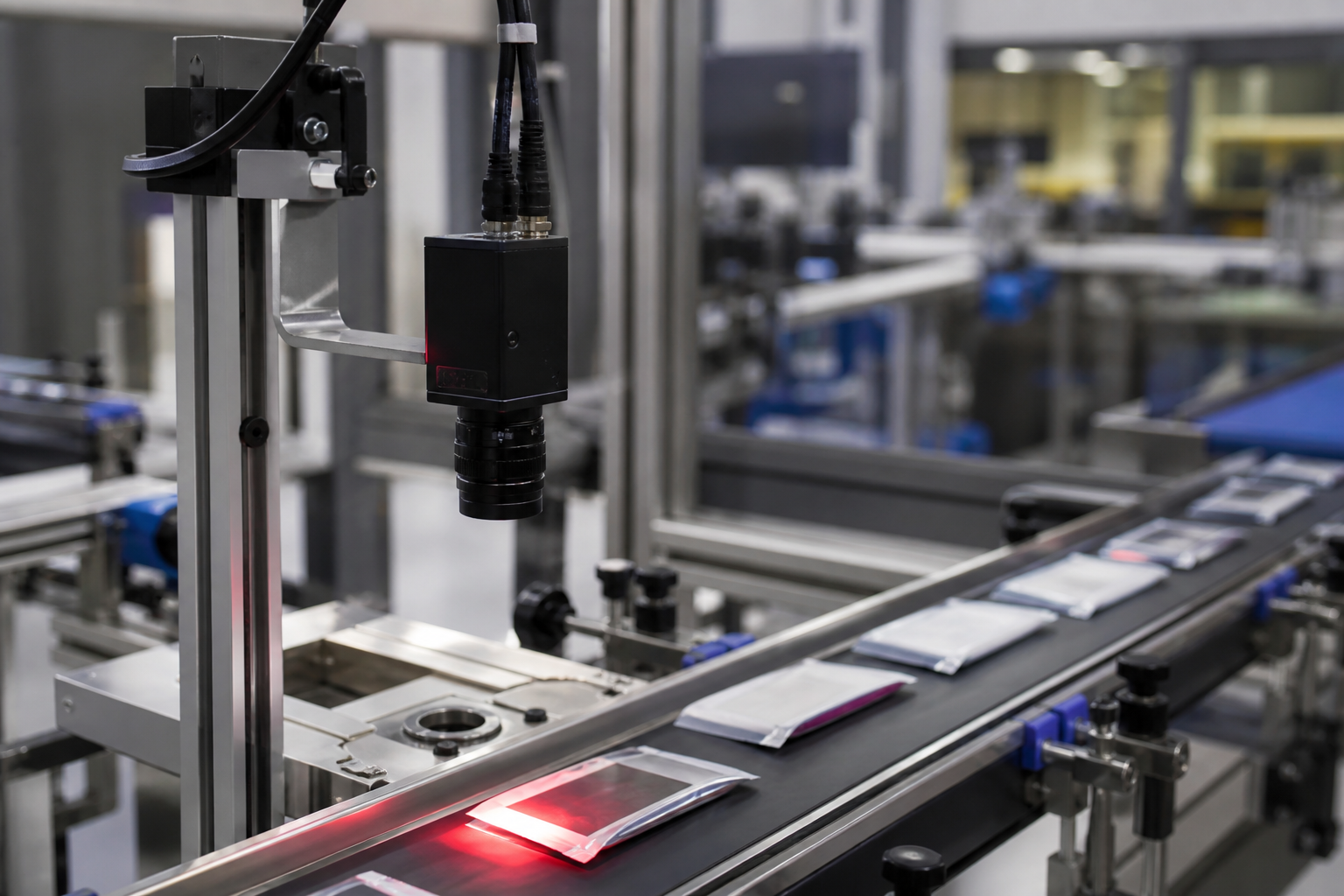
Overrides without label feedback train the next escape.
Disposition
- Quarantine model for critical class; cosmetic-only until recall gate met
- Dual-gate: vision NG or sampling plan for critical features
- Weekly matrix review with escape budget owner named
Adjacent fences
Soft-sensor model cards own process CV proxies. Unsupervised drift owns unlabeled hypotheses. Write-path red-teams own actuation. Synthetic-data vision essays own training tricks. This autopsy owns why accuracy lied. Do not celebrate 99% while critical recall bleeds.
Close
Publish the matrix with the escape cell circled—or keep shipping confidence intervals that never met the customer’s defect.