
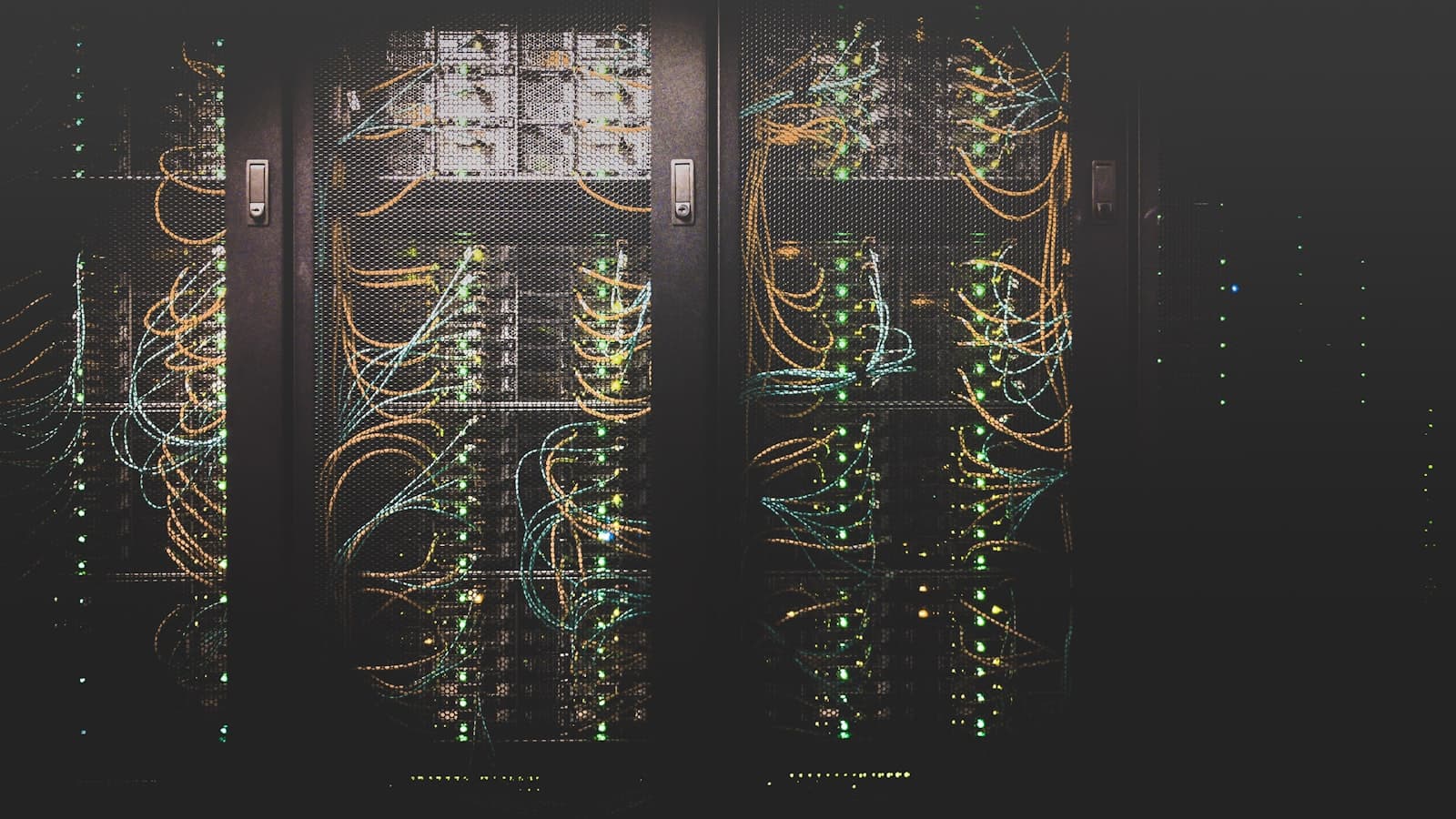
AI clusters are no longer only a cloud architecture story. They are an energy-systems story.
Large training and inference campuses require firm power, thermal rejection capacity, and transmission access. In multiple markets, interconnection queues, local permitting, and utility planning now influence deployment calendars as strongly as accelerator supply.
Why power became a first-order constraint
Modern AI halls concentrate load in ways traditional enterprise data centers did not. Dense GPU racks raise both electrical demand and cooling intensity. That pushes projects into utility-scale territory:
- Interconnection — Getting a large load onto the grid can take years in congested regions.
- Firm capacity — Spot energy is not enough; operators seek long-term PPAs, on-site generation, or dedicated substations.
- Cooling and water — Liquid cooling and heat rejection change site selection and local environmental review.
Utilities and grid operators are rewriting load forecasts around AI campuses. Regions with spare transmission and generation headroom are becoming strategic compute geography.
Commercial consequences
Deal structures are adapting. Power availability is appearing earlier in site selection and financing. Some projects stage capacity in phases tied to grid upgrades. Others pair compute campuses with generation or storage assets to de-risk delivery dates.
For operators, the competitive edge is shifting. Model quality still matters, but so does the ability to energize racks on a predictable schedule.
What to watch next
- Utility filings and interconnection queue reforms in major AI build regions.
- On-site generation and long-duration storage attached to compute campuses.
- Whether inference growth spreads load geographically or keeps concentrating it.
If the model is the product, the substation is increasingly the gate.